The Federal Government has declared Friday a public holiday to mark this year’s International Workers’ Day celebration across the country.
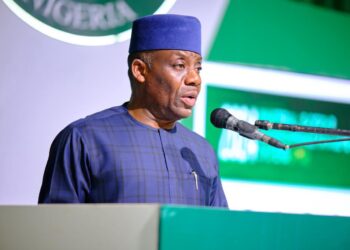
The announcement was made by the Minister of Interior, Dr Olubunmi Tunji-Ojo, on behalf of the Federal Government.
This was contained in a statement signed by the Permanent Secretary in the ministry, Dr Magdalene Ajani, who conveyed the minister’s goodwill message to Nigerian workers.
According to the statement, the minister congratulated workers nationwide for their commitment and contribution to the country’s growth and development.
“The Minister commended Nigerian workers for their hard work and dedication to national development. He noted that their efforts are essential for the nation’s growth and prosperity.
“He encouraged workers to embrace patriotism, productivity, and dedication to their duties. These qualities are crucial for sustainable development.
“The Federal Government of Nigeria is committed to supporting the welfare and security of all workers and creating a favorable environment for economic growth.
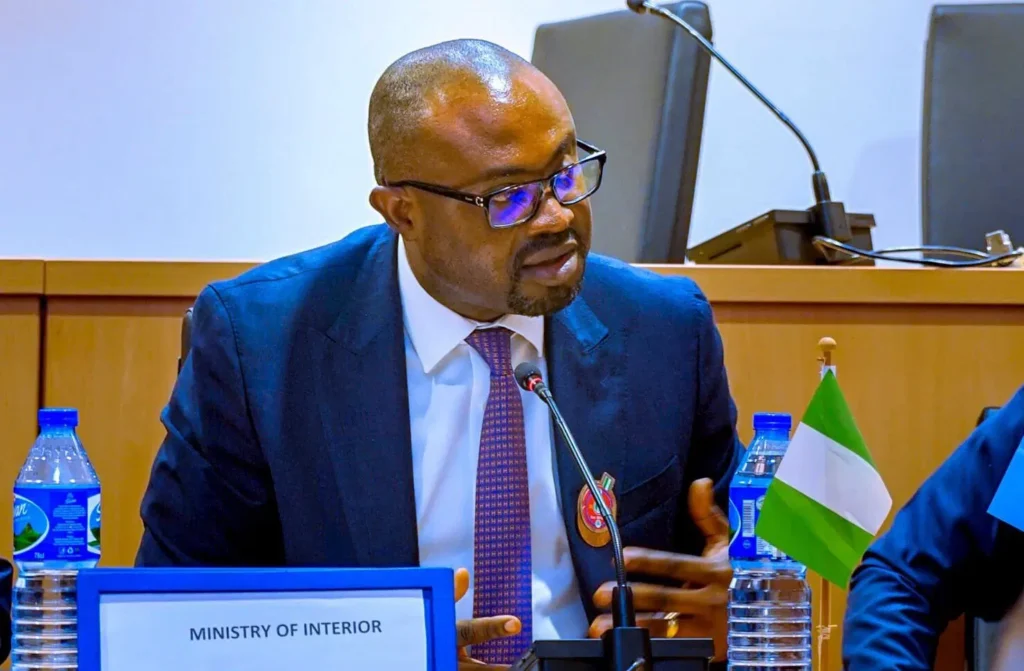
“While wishing workers a happy celebration, the Minister urged all Nigerians to remain peaceful and law-abiding. He encouraged everyone to use this occasion to reflect on the importance of unity and hard work in building the nation”, the statement added.
The declaration of the public holiday will allow workers across both public and private sectors to commemorate the annual event, which recognises the role of workers in national development and highlights labour-related issues.
International Workers’ Day, also known as May Day, is observed globally every May 1 and serves as an opportunity to celebrate workers’ contributions while reflecting on labour rights, workplace welfare, and economic progress.
In Nigeria, the day is often marked by rallies, speeches, and engagements between organised labour unions and government representatives on policies affecting workers’ welfare.
What You Should Know
International Workers’ Day is celebrated annually on May 1 to honour the contributions of workers and the labour movement worldwide.
In Nigeria, the day often provides an avenue for labour unions to engage government on issues such as wages, working conditions, pensions, and economic reforms. The Federal Government’s declaration of a public holiday is a routine recognition of the significance of workers to national development.
This year’s celebration comes amid ongoing discussions around minimum wage implementation, workers’ welfare, and broader economic concerns affecting the Nigerian workforce, making the occasion particularly significant for policy conversations and renewed calls for improved labour conditions nationwide.