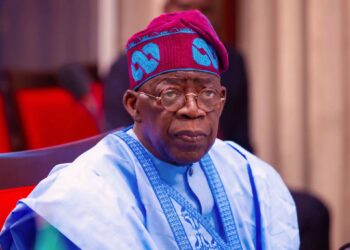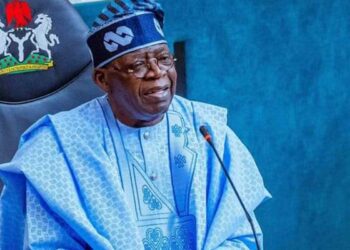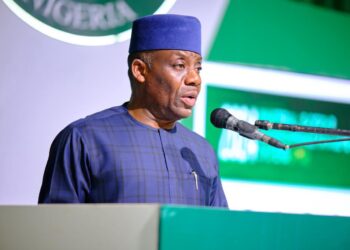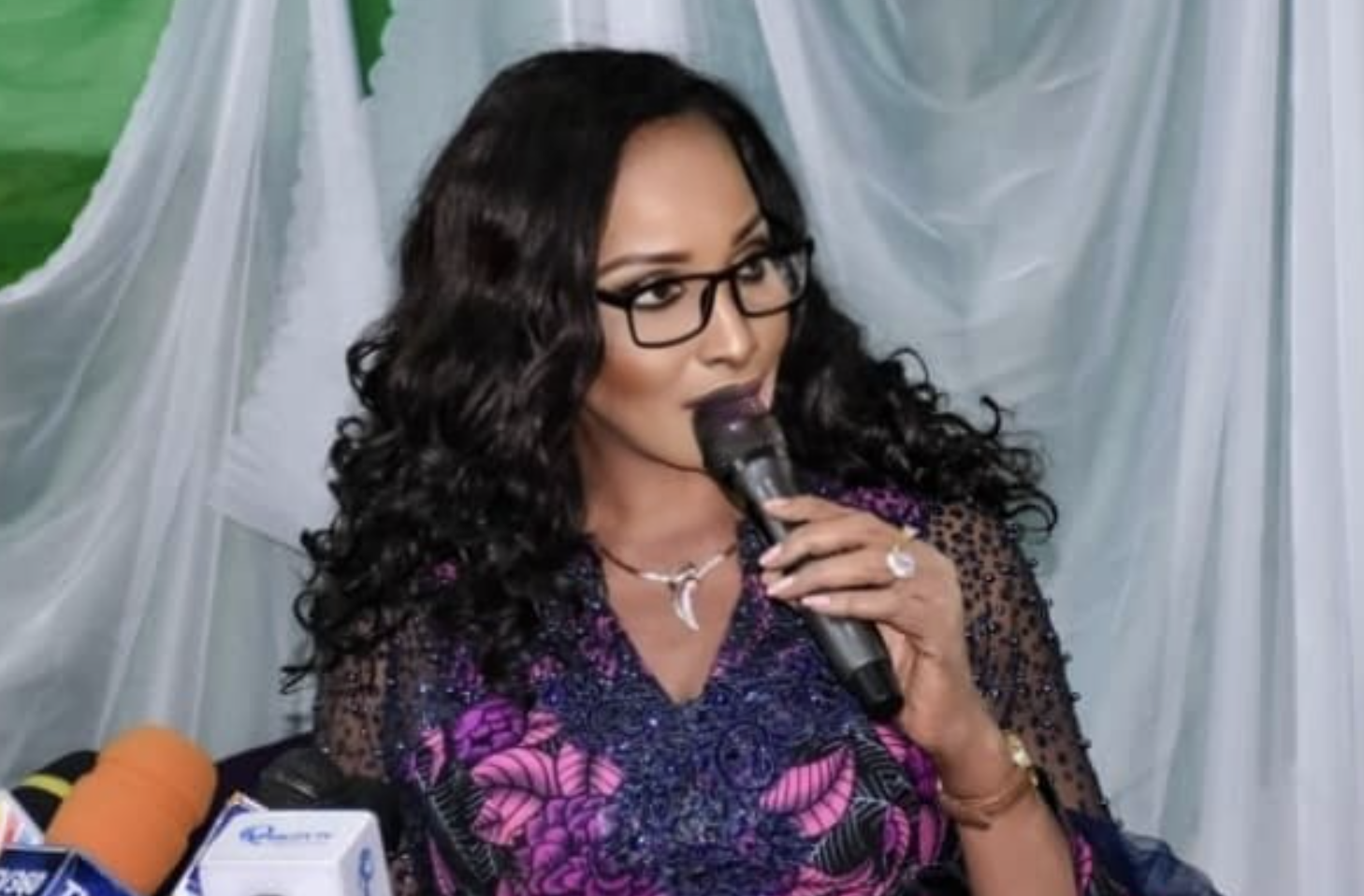
President Bola Tinubu has moved swiftly to fill a critical vacancy at the helm of the Ministry of Foreign Affairs, appointing the veteran diplomat and cultural Ambassador Bianca Odumegwu-Ojukwu to the coveted ministerial seat.
The appointment, announced on Wednesday through a statement by presidential spokesperson Bayo Onanuga, follows the resignation of Ambassador Yusuf Tuggar, who stepped down from the role to pursue political ambitions ahead of the 2027 general elections.
Tuggar’s departure, while not entirely unexpected in Nigeria’s fluid political landscape, nonetheless left one of the country’s most strategically sensitive ministries without its principal officer at a time when Nigeria’s standing on the global stage demands urgent and experienced stewardship.
For Ambassador Bianca Odumegwu-Ojukwu, this appointment is both a homecoming and an elevation. The Anambra-born diplomat, widely recognised as the widow of late Biafran warlord Dim Chukwuemeka Odumegwu-Ojukwu is no stranger to the corridors of Nigeria’s foreign policy establishment.
She previously served as Minister of State in the same Ministry of Foreign Affairs, giving her an institutional familiarity with the machinery she is now tasked with leading.
Beyond her diplomatic credentials, Odumegwu-Ojukwu carries with her a weighty symbolic significance. Her appointment is likely to be read in certain quarters as a carefully crafted political gesture by the Tinubu administration, one aimed at fostering a sense of inclusion for the South-East geopolitical zone, a region that has often felt politically marginalised in the post-civil war era of Nigerian statecraft. Whether intended or not, the optics are unmistakable.
Now entrusted with the full weight of the foreign affairs portfolio, she steps into a role that will demand her to navigate a complex web of bilateral relations, continental obligations under the African Union, regional responsibilities within ECOWAS, and Nigeria’s broader aspirations on the world stage from its bid for a permanent UN Security Council seat to its pivot toward economic diplomacy under the Tinubu administration.
Accompanying the headline appointment, President Tinubu has also nominated Ambassador Sola Enikanolaiye as the new Minister of State for Foreign Affairs though his assumption of office remains subject to Senate confirmation, a constitutional requirement that has, in recent times, been little more than a procedural formality for most nominees.
Enikanolaiye, who hails from Kogi State, brings to the table a distinguished career that few in Nigeria’s diplomatic corps can rival. Until his nomination, he served as Senior Special Assistant to the President on Foreign Affairs and International Relations a proximity to the seat of power that suggests he is well-acquainted with the foreign policy priorities of the Tinubu administration.
With over three decades of service in Nigeria’s foreign service, Enikanolaiye’s résumé reads like a masterclass in multilateral diplomacy. He has served as Permanent Secretary in the Ministry of Foreign Affairs and held diplomatic postings across four continents from Addis Ababa and Belgrade, to Ottawa, London, and New Delhi. That breadth of experience, spanning Africa, Europe, North America, and South Asia, positions him as a technically formidable complement to the more publicly prominent Odumegwu-Ojukwu.
In the statement released Wednesday, President Tinubu framed the appointments as part of a broader strategic vision rather than mere administrative routine.
According to spokesperson Onanuga, the President described the changes as integral to ongoing efforts to “reposition Nigeria’s foreign policy architecture for greater efficiency, strategic engagement, and stronger global partnerships.”
It is the language of a president acutely conscious of Nigeria’s underperforming global influence relative to its size, population, and economic potential. Since assuming office in May 2023, Tinubu has sought to project Nigeria as an indispensable actor in African affairs, courting foreign investment, engaging multilateral institutions, and championing African agency on issues ranging from security to climate finance.
The President also urged the new appointees to prioritise economic diplomacy, foster regional stability, and safeguard the welfare of Nigerians in the diaspora, a community of millions whose remittances remain a critical lifeline for Africa’s largest economy.
All eyes will now turn to the National Assembly, where Ambassador Enikanolaiye’s nomination must clear the Senate screening process before he can be sworn in.
Meanwhile, Ambassador Odumegwu-Ojukwu, whose appointment does not require such confirmation given her elevation from within an existing ministerial structure, is expected to assume her new responsibilities almost immediately.
WHAT YOU SHOULD KNOW
President Tinubu’s appointment of Ambassador Bianca Odumegwu-Ojukwu as Foreign Affairs Minister, alongside the nomination of the highly experienced Ambassador Sola Enikanolaiye as Minister of State, represents more than a routine cabinet reshuffle.
It is a strategic repositioning of Nigeria’s foreign policy leadership at a critical moment, one that blends symbolic political inclusion with seasoned diplomatic experience.