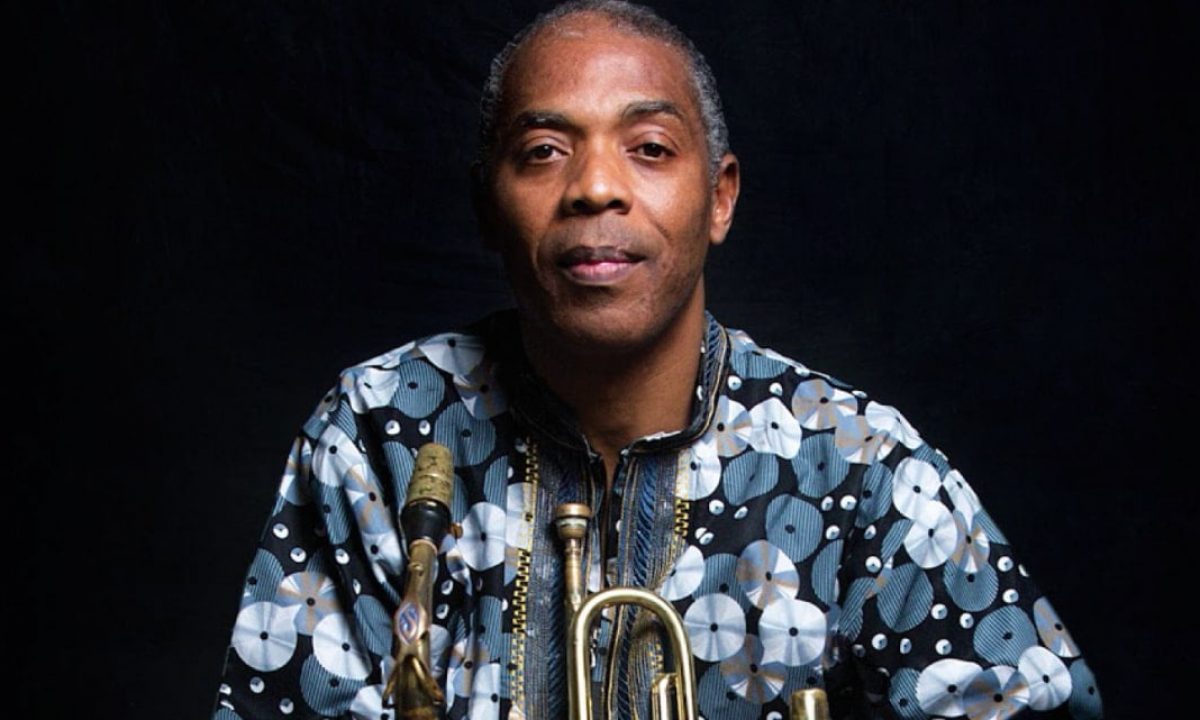
Afrobeat icon Femi Kuti has shed light on why the Kuti family has steadfastly refused to part with their father’s music catalog, the late Afrobeat pioneer Fela Anikulapo-Kuti.
Speaking in a recent interview on Channels Television’s Entertainment Tonight program, the Grammy-nominated musician and eldest son of Fela emphasized that the decision was rooted not in financial short-sightedness but in a deep commitment to preserving the legendary artist’s enduring legacy.
“We never sold Fela’s catalogue,” Femi stated firmly. “It is under Fela’s estate, controlled by the family. But we licensed the music. So, we control it. I don’t know how many years we have left, but when it is done, we will take it over and license it again.”
The revelation comes at a time when Fela’s influence continues to resonate globally. The Afrobeat originator, known for his fearless political activism, infectious rhythms, and revolutionary spirit, has seen renewed interest in his work—including his recent induction into the Rock & Roll Hall of Fame as the first African artist and a posthumous Grammy Lifetime Achievement Award.
In an era when many estates of iconic musicians are sold off to major corporations for massive upfront sums, the Kuti family’s stance stands out as a deliberate choice to maintain sovereignty over the master recordings and publishing rights.
Femi was quick to credit his elder sister, Yeni Kuti, as the driving force behind the family’s resolve. Describing her as the primary “caretaker” of their father’s legacy, he revealed that she was vehemently opposed to any sale and played a pivotal role in rallying the siblings.
“My elder sister, Yeni Kuti, strongly opposed selling Fela’s catalogue. She is like the caretaker,” Femi explained. “And we give her the honor as the eldest among us. It doesn’t mean that the rest of us don’t have a say, of course. But she is very protective of Fela’s legacy, so she insisted we don’t sell it. I saw her view immediately, and we all agreed.”
He added a pragmatic economic insight: “If we had sold it, no royalty would be coming to the family.”
By opting for temporary licensing deals with a foreign company rather than an outright sale, the family has ensured ongoing income streams through royalties while retaining full ownership and decision-making power. Once the current licensing period expires, the rights will revert fully to the estate, allowing them to renegotiate or license anew on their own terms.
Femi expressed hope that this model of protection would be upheld by the next generation. He noted that he hopes their children will continue to follow the same principled standard, treating Fela’s body of work not merely as commercial assets but as a sacred cultural inheritance that embodies resistance, African pride, and musical innovation.
The decision reflects a broader philosophy within the Kuti family—one that prioritizes dignity, long-term control, and the integrity of Fela’s message over immediate financial windfalls. In an industry where artists’ estates are often fragmented or exploited after their passing, the Kutis’ approach serves as a compelling case study in legacy management.
Fela Anikulapo-Kuti, who passed away in 1997, left behind a catalogue of over 50 albums filled with songs that tackled corruption, colonialism, and social injustice. His music continues to inspire new generations of artists across Africa and the diaspora, with Afrobeat now a global genre. By keeping the catalogue firmly within the family estate, the Kutis are ensuring that the voice of “the Black President” remains authentic and uncompromised.
As Femi Kuti put it, ownership is key—a simple yet powerful principle that the family has chosen to live by, safeguarding not just royalties but the very soul of one of Africa’s most revolutionary musical voices for posterity.
WHAT YOU SHOULD KNOW
The Kuti family has chosen not to sell Fela Anikulapo-Kuti’s music catalog despite multiple offers, opting instead to retain full ownership under the family estate.
Yeni Kuti’s fierce protection of her father’s legacy was the decisive influence. As the eldest sibling and self-appointed caretaker, she strongly opposed any sale, ensuring the family continues to control the rights, earn royalties, and preserve Fela’s revolutionary Afrobeat heritage for future generations.