The Federal Government has inaugurated a Gas-to-Power Monitoring Committee aimed at addressing persistent gas supply issues affecting electricity generation across Nigeria.
Speaking at the event in Abuja, the Minister of Power, Adebayo Adelabu, described the move as a decisive intervention to resolve one of the most critical challenges in the Nigerian Electricity Supply Industry (NESI).
The development follows a significant reduction in gas supply to power generation companies in January, triggered by over $1.3 billion in outstanding debts owed to gas producers. The shortfall led to a sharp decline in electricity generation supplied to the national grid.
Adelabu, in a statement issued by his media aide, Bolaji Tunji, noted that gas-fired plants account for nearly 80 percent of Nigeria’s electricity generation. However, the sector continues to face disruptions due to pipeline vandalism, supply constraints, mounting debts, and weak coordination among stakeholders.
He said the establishment of the committee underscores the government’s commitment to resolving longstanding barriers affecting generation capacity and ensuring stable electricity supply nationwide.
According to the minister, the committee was set up following discussions at the first quarter 2026 Ministerial Power Sector Working Group meeting, where key issues such as infrastructure gaps, liquidity constraints, and pricing challenges were identified.
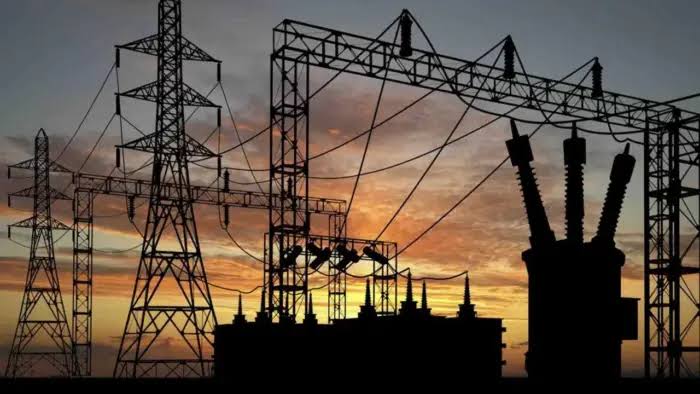
The committee is expected to monitor and address major bottlenecks, including the repair of damaged gas pipelines, settlement of debts owed to suppliers, and resolution of operational and commercial challenges limiting gas availability to power plants.
Adelabu tasked members to go beyond routine supervision by providing proactive, data-driven solutions, especially in developing mechanisms to guarantee payments for gas supply and ensure long-term sustainability.
He emphasised that the committee would be held accountable for delivering measurable results, with expectations for regular progress reports, defined milestones, and swift escalation of critical issues requiring government action.
The minister expressed confidence in the committee’s capacity, noting that it includes representatives from key stakeholders such as the Transmission Company of Nigeria (TCN), Niger Delta Power Holding Company (NDPHC), the Nigerian Independent System Operator (NISO), the Nigerian Gas Association, the Association of Generation Companies, and consumer advocacy groups.
Earlier, the Permanent Secretary of the Ministry of Power, Mahmuda Mamman, represented by the Director of Distribution, reiterated that the initiative aligns with the minister’s directive to urgently address challenges in gas supply to the power sector.
He identified infrastructure deficits, pipeline vandalism, liquidity constraints, and coordination gaps as key issues undermining electricity generation and impacting economic growth.
What you should know
The Federal Government’s Gas-to-Power Monitoring Committee is a strategic response to Nigeria’s ongoing electricity challenges, largely driven by gas supply disruptions.
With gas-fired plants producing most of the country’s power, any supply shortfall directly affects national electricity output. The committee’s focus on debt resolution, infrastructure repair, and improved coordination could help stabilise the sector.
However, success will depend on effective implementation and sustained stakeholder cooperation, as past efforts have struggled with similar structural and financial issues within the power industry.