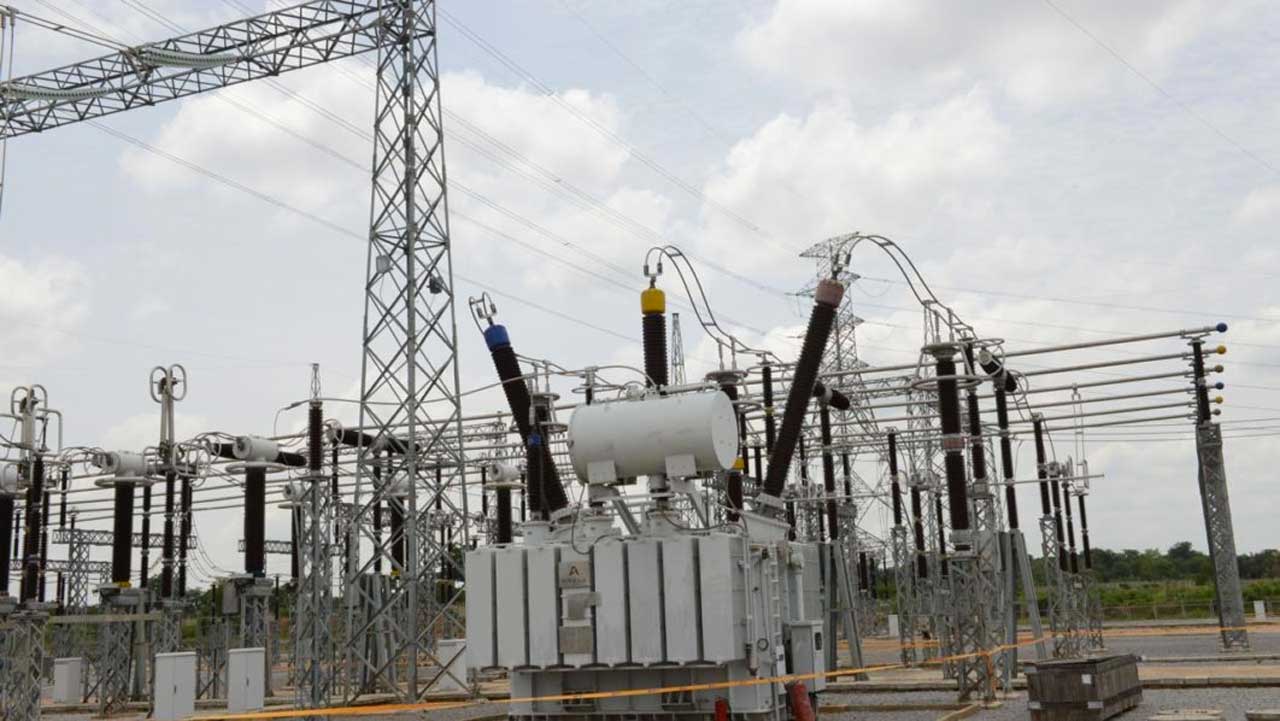
The Federal Government’s ambitious plan to issue up to N4 trillion in government-backed bonds to settle accumulated debts in Nigeria’s troubled electricity sector has ignited a heated debate among energy experts, with critics warning the initiative could merely postpone fundamental reforms while supporters see it as a necessary intervention to revive investor confidence.
The controversy centers on whether the bond programme represents a genuine solution to the power sector’s chronic liquidity crisis or simply transfers private market obligations onto public books without addressing underlying structural failures.
The Government’s Case
Mrs. Olu Verheijen, Special Adviser to the President on Energy, unveiled the debt reduction strategy in Abuja last Friday, announcing that N1.23 trillion would be raised in the initial phase over the next four months. This represents the opening salvo of the Presidential Power Sector Debt Reduction Programme, which President Bola Tinubu approved in June and the Federal Executive Council formally endorsed in August 2025.
The bonds, structured with a seven-year tenor and fixed interest rates, carry the full backing of the Federal Government. Verheijen emphasized that the first tranche, expected to be deployed by the first quarter of 2026, would specifically target verified arrears owed to power generation companies and gas suppliers—debts that have accumulated over years of market dysfunction and payment failures.
Government officials frame the initiative as essential medicine for a sector plagued by what they term a “legacy debt overhang”—accumulated obligations that have strangled power generation capacity, frightened away potential investors, and perpetuated the unreliable electricity supply that has become a hallmark of Nigerian infrastructure.
Sharp Pushback from Former Regulators
Dr. Sam Amadi, who served as Chairman of the Nigerian Electricity Regulatory Commission during the critical reform years, delivered perhaps the most pointed criticism of the bond plan. Speaking to Nairametrics, Amadi challenged the fundamental premise of using sovereign debt instruments to settle what he characterized as private market obligations.
“The first thing the president should have done is to go back to NERC,” Amadi argued, questioning why the government would assume responsibility for debts before conducting a thorough regulatory investigation into their origins. “These debts are market debts. The question is: how did these debts arise? What caused them? Can the market deal with it?”
Drawing on his regulatory experience, Amadi recounted resisting similar intervention proposals during his tenure, including rejecting a ministerial proposal for N5 billion in direct government spending on the Afam power plant. His underlying philosophy: once a regulatory framework exists, market operations should remain insulated from political interference.
Amadi’s central concern revolves around moral hazard—the risk that government bailouts create perverse incentives and establish dangerous precedents. “The market is built on debt. It’s not every debt the government pays,” he stated bluntly. Without understanding the root causes of debt accumulation, he warned, “in the next three years, they will come back with another trillion, and the government will borrow again.”
Concerns About Financial Sustainability
Dr. Biyi Ogunmodede of Nexton Consulting Ltd echoed these concerns, framing the bond initiative in stark terms: “using debt to pay debt.” While acknowledging the government’s desire to improve the investment climate in the energy sector, Ogunmodede questioned whether the debt route represented sound policy.
“The best way to go about it is not through the debt route,” he said, though he acknowledged uncertainty about the programme’s ultimate impact. “That said, we will have to see how this plays out in the next few years.”
This criticism touches on broader anxieties about Nigeria’s fiscal position. By converting private sector debts into sovereign obligations, the government effectively socializes losses accumulated through market failures—adding billions to the national debt burden while the underlying problems that generated those debts may remain unresolved.
A Qualified Defense: Reform Must Accompany Relief
Not all expert opinion tilts negative, however. Dr. Muda Yusuf, Chief Executive Officer of the Centre for the Promotion of Private Enterprise, offered a more nuanced assessment, suggesting the bond programme could catalyze sector recovery if—and this qualification looms large—it comes paired with robust governance and genuine structural reforms.
In a policy brief, Yusuf stressed that implementation quality would determine whether the initiative succeeds or fails. “There is an urgent need to ensure that all outstanding claims are properly verified, subjected to rigorous audit, and managed transparently and credibly,” he emphasized.
Drawing lessons from Nigeria’s infamous fuel subsidy regime, which became synonymous with corruption and fiscal hemorrhaging, Yusuf warned against repeating past mistakes. “Subsidy systems are vulnerable to malpractice,” he noted. “Strong accountability mechanisms are essential to prevent similar outcomes in the power sector.”
Beyond verification and transparency, Yusuf outlined a reform agenda that would need to accompany the bond issuance to justify the massive public expenditure. His recommendations include a carefully managed transition to cost-reflective electricity tariffs—the politically sensitive step of allowing prices to reflect actual generation and distribution costs—coupled with targeted social protection for vulnerable households who would struggle with higher bills.
Additionally, Yusuf called for stricter performance standards for electricity distribution companies, including mandatory recapitalization, technical infrastructure upgrades, and aggressive campaigns to reduce the massive technical and commercial losses that plague the sector.
The Broader Context
The debate over these bonds unfolds against the backdrop of Nigeria’s long-troubled power sector reform efforts. Despite privatization initiatives launched over a decade ago, the electricity market remains characterized by chronic underperformance: frequent blackouts, inadequate generation capacity, transmission bottlenecks, and distribution companies unable to collect sufficient revenue to remain viable.
This dysfunction creates a vicious cycle: generators don’t get paid, so they curtail production; gas suppliers withhold supply due to unpaid bills; distribution companies lack capital to upgrade infrastructure; and consumers suffer unreliable service while theft and non-payment erode the revenue base. The accumulated debts now being addressed through bonds represent the financial manifestation of these interlocking failures.
Whether the N4 trillion bond programme breaks this cycle or merely postpones a reckoning while adding to sovereign debt remains the central question dividing experts. As the first tranche moves toward issuance in the coming months, the answer may depend less on the bonds themselves than on whether government follows through with the difficult regulatory reforms and enforcement measures that could prevent history from repeating itself.
Nigeria’s power sector challenges require more than financial engineering alone.
WHAT YOU SHOULD KNOW
Nigeria’s government plans to issue N4 trillion in bonds to clear electricity sector debts, but experts warn this could be “using debt to pay debt” without fixing underlying problems.
Without understanding how these debts arose, the government may create a bailout cycle—solving nothing while transferring private market failures onto taxpayers.
This only works if accompanied by three things: rigorous debt verification, genuine structural reforms (cost-reflective tariffs, stricter performance standards), and strong anti-corruption safeguards.
The bonds could reset Nigeria’s power sector—or simply postpone crisis while adding billions to national debt. The difference lies entirely in whether government commits to the hard reforms needed alongside the money.