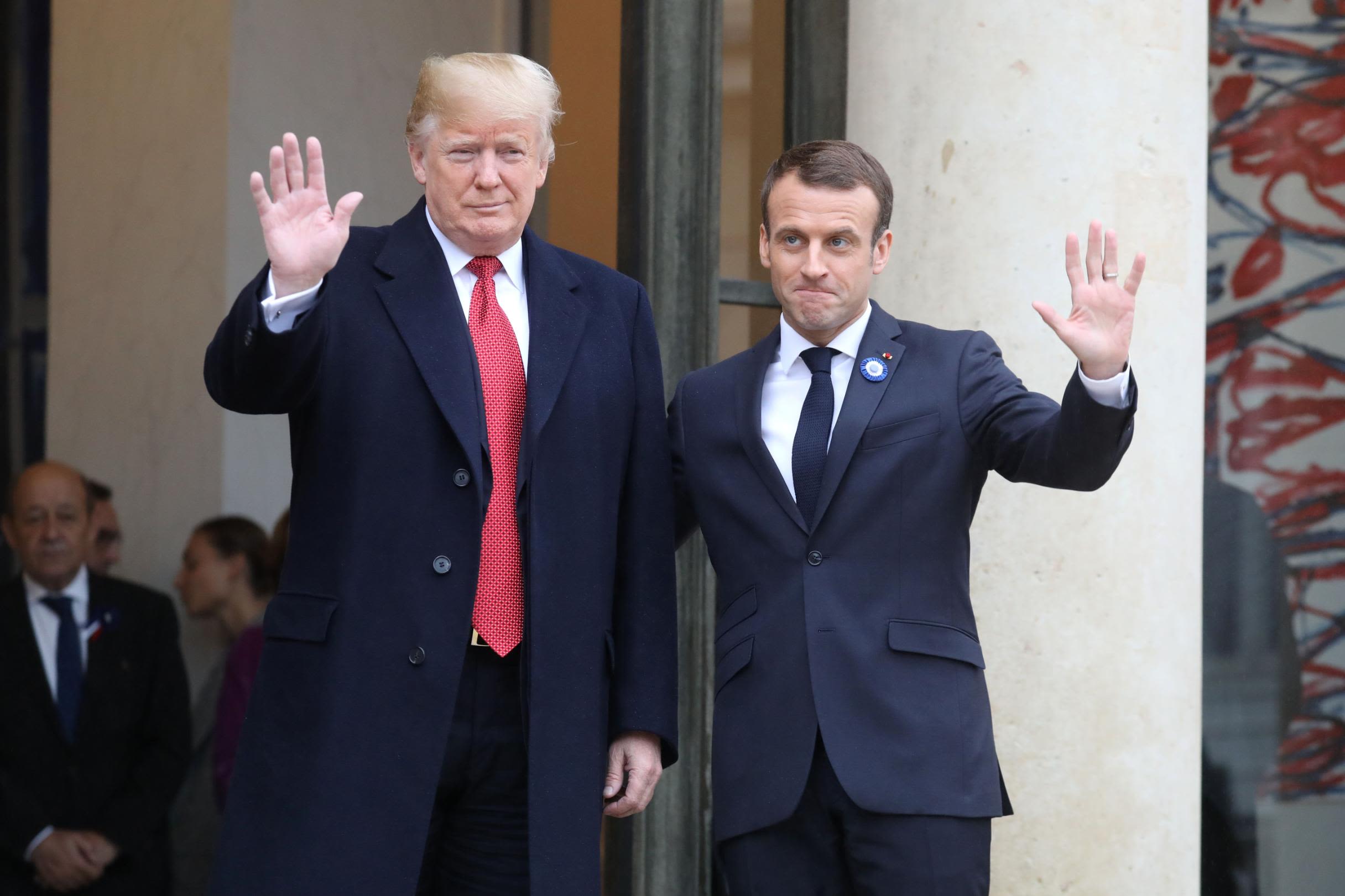
Gold prices tumbled from two-week highs on Thursday after President Donald Trump announced in a prime-time address that the U.S. would continue its military campaign in Iran for the coming weeks.
Spot gold dropped more than 2.8 percent to $4,622.59 per ounce by 0719 GMT, having shed as much as 4 percent in early trade and breaking a four-day winning streak. U.S. gold futures followed suit, sliding 3.4 percent to $4,649.
The metal had climbed overnight to its highest level since March 19 before Trump’s remarks triggered a swift reversal.
The pullback came as investors digested the president’s blunt assessment that Washington was “nearing completion of its main strategic objectives” in the conflict while signaling aggressive strikes would continue.
Many traders had been betting on clearer signals of de-escalation; instead, the address heightened fears of prolonged geopolitical tension.
“It’s a clear reaction to the address and the risk of escalation potentially over the weekend,” said Kyle Rodda, senior financial market analyst at Capital.com. “That’s pushed oil prices, the U.S. dollar and yields higher, and naturally that’s pushed the gold price quite meaningfully lower.”
The safe-haven metal, which typically thrives amid uncertainty, found itself squeezed by the very forces unleashed by the news. The dollar index and the 10-year U.S. Treasury yield both climbed, making dollar-denominated gold more expensive for foreign buyers.
At the same time, Brent crude futures surged more than 6 percent after Trump indicated that Iran’s energy infrastructure remained in the crosshairs, raising fresh concerns about global oil supply disruptions.
The latest volatility echoes the turmoil that defined gold’s dismal performance last month. Bullion plunged 11 percent in March — its worst monthly showing since 2008 — after the Iran conflict erupted on February 28. The sustained rise in oil prices has since fanned inflation worries, complicating the Federal Reserve’s policy calculus.
Expectations for U.S. interest-rate cuts have been dialed back sharply; traders now assign just a 12 percent probability to a December reduction, down from around 25 percent before Trump’s latest comments. Through most of 2026, rate-cut bets remain subdued at best.
Higher borrowing costs erode gold’s allure because the non-yielding asset carries a greater opportunity cost when yields rise. Yet the metal still retains its traditional role as an inflation hedge and geopolitical barometer — a duality that left traders whipsawed on Thursday.
Regional physical markets reflected the mixed sentiment. In India, gold traded at a premium for the first time in two months as softer prices enticed buyers back into the world’s second-largest consumer market.
In China, however, premiums edged slightly lower as bargain-hunters held off, waiting for what they hope will be a deeper correction.
The fallout extended beyond gold. Spot silver plunged 5.4 percent to $71.07 an ounce after earlier falling more than 7 percent. Platinum dropped 3.1 percent to $1,902.65, while palladium shed 1.8 percent to $1,446.53.
The broader precious-metals complex appeared to be pricing in the same cocktail of higher oil, a stronger dollar and elevated yields.
With the weekend approaching and fresh military developments possible, market participants are bracing for continued volatility.
For now, Trump’s words have reframed the outlook: what began as a hopeful dip in geopolitical risk has, at least for the moment, revived the very forces that have kept gold — and oil — on a knife-edge throughout the spring of 2026.
WHAT YOU SHOULD KNOW
Gold prices plunged over 2.8% to $4,622.59 per ounce after President Trump announced that the U.S. would continue its aggressive military campaign in Iran for the coming weeks.
Heightened geopolitical risk from potential escalation, pushed oil prices surging over 6%, strengthened the U.S. dollar, and lifted Treasury yields — all of which reduced gold’s appeal and dashed hopes for near-term interest rate cuts.
This reversal underscores how quickly shifting conflict developments can override gold’s traditional safe-haven status in the current environment.