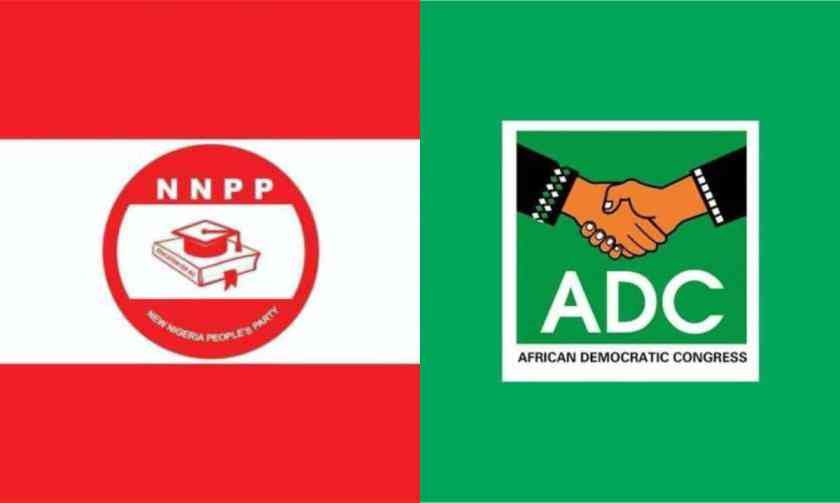
The New Nigeria Peoples Party (NNPP) has confirmed plans to form a strategic alliance with the African Democratic Congress (ADC) ahead of the 2027 presidential election.
The announcement was made on Monday by the NNPP National Publicity Secretary, Ladipo Johnson, during an interview on The Morning Brief on Channels Television.

Johnson explained that while the NNPP will continue to participate in elections, the party may not field a presidential candidate in 2027, choosing instead to align with the ADC for the presidential race and possibly some national positions.
“The NNPP will continue to contest elections. Although at that level, we will be in alignment with the ADC towards the presidential elections and maybe some of the national elections, but we are going to have candidates down the ballot,” he said.
He also addressed concerns surrounding the defection of former Kano State Governor Rabiu Kwankwaso to the ADC, stating that the move would not weaken the NNPP’s political strength. According to Johnson, the decision followed extensive consultations among opposition leaders.
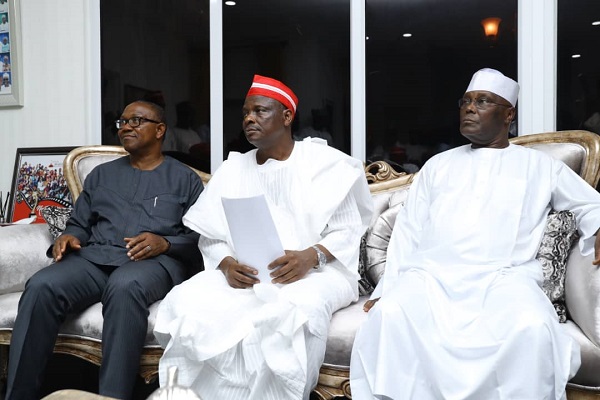
Johnson further revealed that Kwankwaso was expected to formally register as a member of the ADC in Kano later on Monday, marking a significant shift in the opposition political landscape.
“There were a lot of discussions going on. Finally, some of the opposition leaders have come together and decided that it will best serve their purposes and that of Nigerians for them to come together under one platform to offer themselves as an alternative towards 2027. He resigned from the New Nigeria Peoples Party and will cross over to the ADC today in Kano State,” Johnson stated.
The alliance signals a growing effort among opposition parties to consolidate their strength and present a united front in the 2027 general elections, as political realignments continue to reshape Nigeria’s political space.
What you should know
The NNPP’s decision to align with the ADC marks a significant political strategy aimed at strengthening opposition forces ahead of the 2027 elections.
With Rabiu Kwankwaso’s defection, the coalition could reshape voting dynamics, especially in northern Nigeria where he holds influence. This alliance suggests that smaller parties may consolidate to challenge dominant parties more effectively.
However, its success will depend on unity, candidate selection, and the ability to gain widespread public trust across different regions of the country.