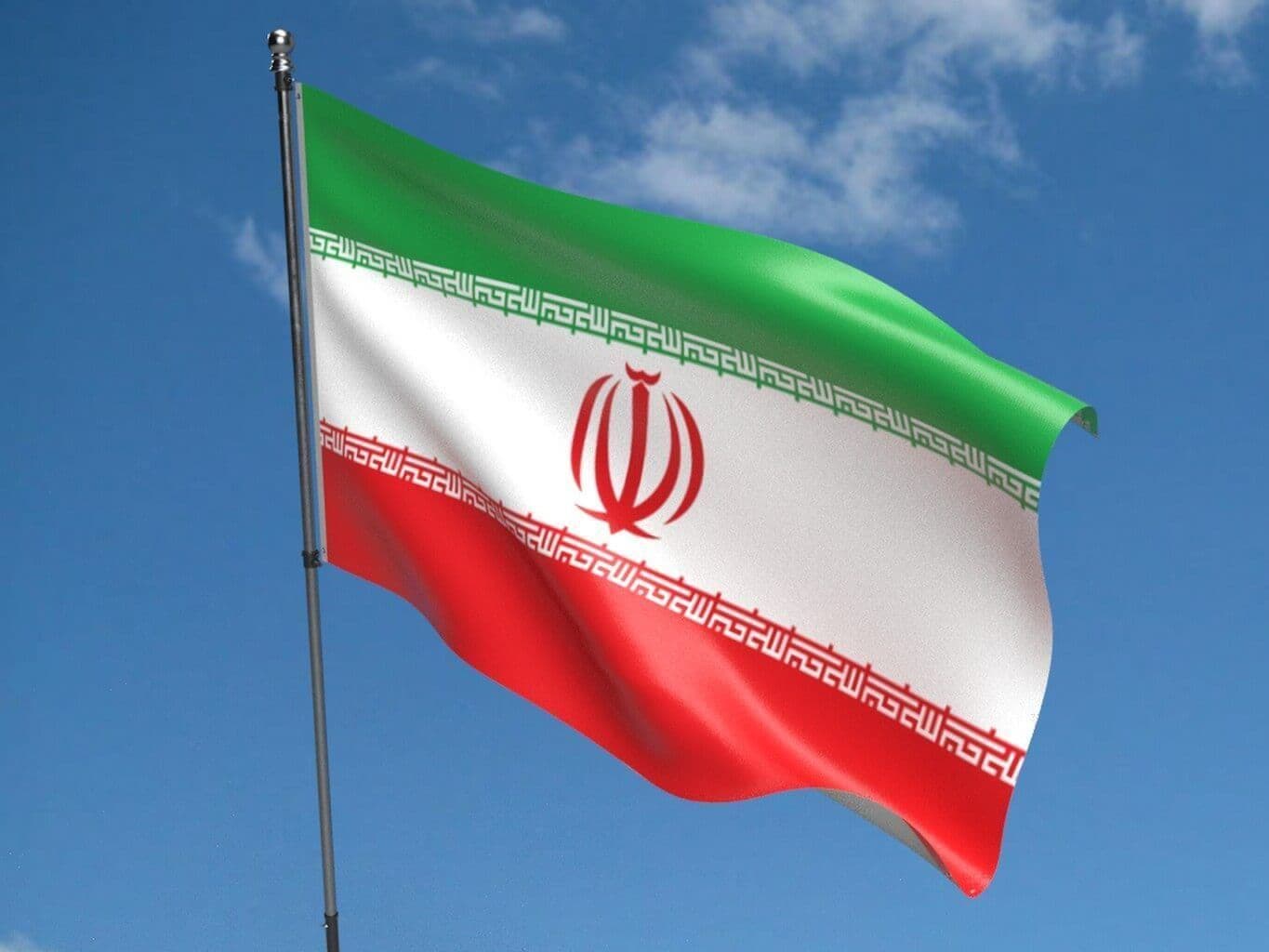
Iran says the Strait of Hormuz remains open to world shipping except for vessels linked to the US, Israel, and other adversaries amid the ongoing US-Israeli conflict, Iranian officials said.
The statement, issued through Iran’s permanent representative to the International Maritime Organization, Ali Mousavi, and echoed by Foreign Minister Abbas Araghchi, walks a tightrope between defiance and diplomacy. “We have not closed the strait,” Araghchi told Japan’s Kyodo News.
“In our opinion, the strait is open. It is closed only to ships belonging to our enemies, countries that attack us. For other countries, ships can pass through the strait.”
Mousavi went further, offering cooperation with the IMO to safeguard seafarers while insisting that non-adversary vessels must first coordinate security arrangements with Tehran. “Diplomacy remains Iran’s priority,” he added, “but a complete cessation of aggression, along with the rebuilding of mutual trust and confidence, is essential.”
The remarks come hours after U.S. President Donald Trump issued a blunt 48-hour ultimatum via social media, threatening to “hit and obliterate” Iranian power plants, starting with the biggest one first, unless the strait was reopened without conditions. Tehran’s response effectively thumbs its nose at that deadline while carving out exemptions for friendly or neutral flags.
In practice, this means selective passage. Ships from China, India, Pakistan, Japan, and even some European nations, such as France and Italy, have been quietly allowed through after case-by-case coordination with Iranian authorities, often hugging the Iranian coastline under IRGC oversight.
A Greek bulk carrier was recently spotted transiting near Larak Island broadcasting “Cargo Food for Iran.” Meanwhile, American-, Israeli-, and allied-flagged tankers remain blocked, turning the narrow waterway into a de facto political filter.
Few chokepoints matter more to the global economy. Roughly 20 to 25 percent of the world’s seaborne crude oil—some 21 million barrels a day at peak—squeezes through the 21-nautical-mile-wide strait at its narrowest point, bound for Asia, Europe, and beyond. A sustained disruption, or even the perception of one, sends shockwaves through energy markets; oil prices have already jumped on the news.
The current standoff traces directly to the Feb. 28 joint U.S.-Israeli strikes that ignited the latest round of fighting. Iran retaliated with missile barrages on Israeli cities and Gulf bases hosting American forces; the Islamic Revolutionary Guard Corps initially warned it would set ablaze any vessel attempting transit. Traffic all but halted.
Now Tehran has softened its language from blanket closure to targeted denial—a tactical pivot that keeps pressure on Washington and Jerusalem while allowing enough oil to flow to avoid alienating its own customers and neutral powers.
Over 20 nations have already issued a joint condemnation of what they call Iran’s “de facto closure,” and the G7 has vowed to protect vital shipping routes. Yet Trump’s calls for allied navies to escort tankers have been largely ignored. Japan—which imports more than 90 percent of its crude from the Middle East—is among those quietly negotiating safe passage, underscoring how even close U.S. partners are hedging.
For now, the strait is neither fully open nor fully closed; it is under Iranian management. That ambiguity is precisely the point.
By keeping the waterway technically available to most of the planet while weaponizing access against its foes, Tehran has turned one of the world’s busiest shipping arteries into a high-stakes bargaining chip—one that could yet decide the price of gasoline from Lagos to Los Angeles and the trajectory of a conflict that shows no sign of abating.
WHAT YOU SHOULD KNOW
Iran is deliberately turning the Strait of Hormuz into a selective gateway: open to most of the world’s shipping—especially for its key Asian customers—but effectively closed to American, Israeli, and closely allied vessels.
This is not a full blockade—it is a targeted political chokehold designed to punish adversaries while still allowing enough oil to flow to avoid isolating Iran economically or alienating neutral powers.