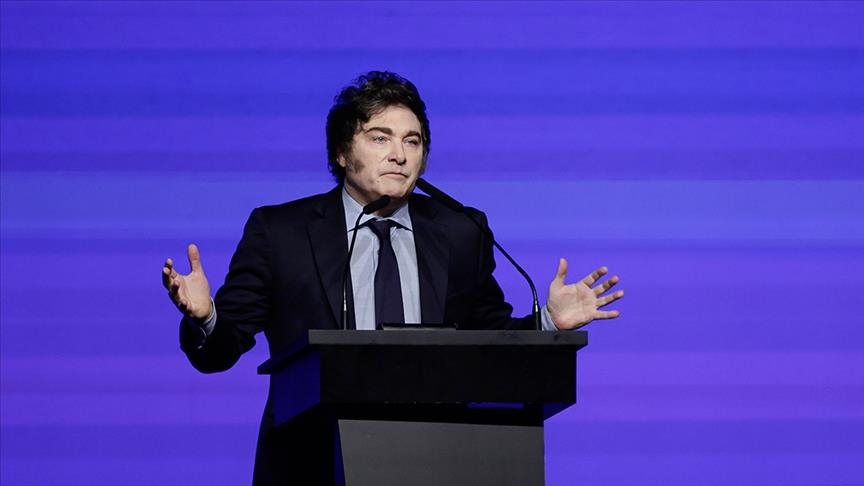
Argentina has formally withdrawn from the World Health Organization, aligning with a similar move earlier this year by the United States.
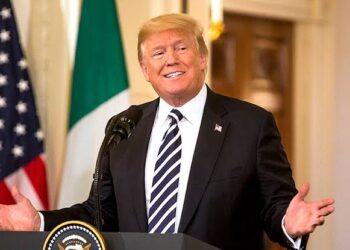
The decision comes under the leadership of President Javier Milei, a close ally of Donald Trump.
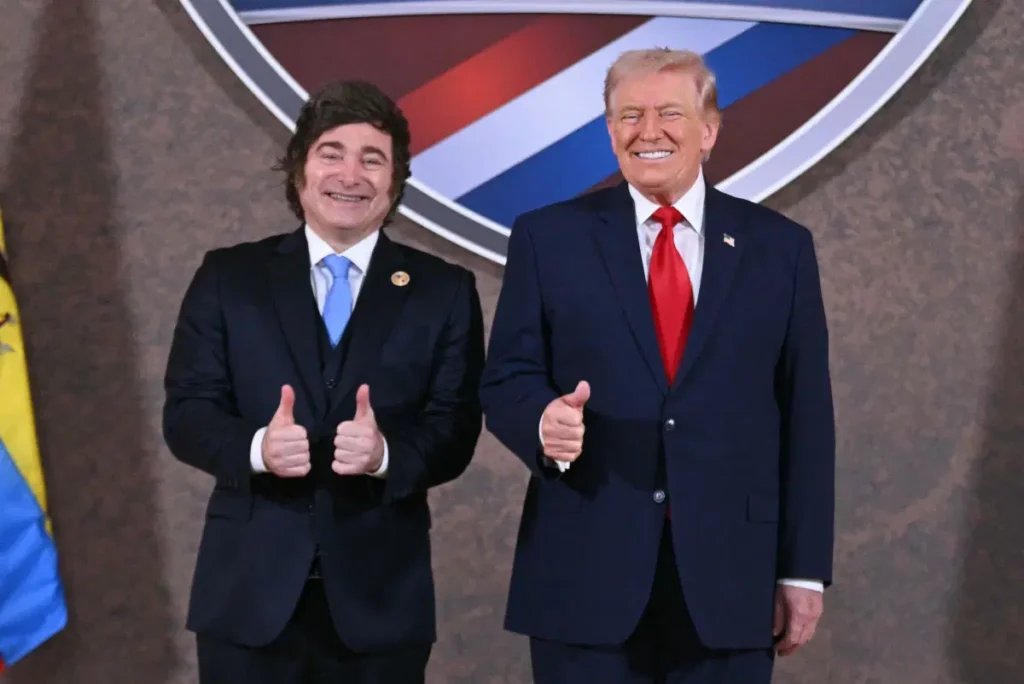
Argentina had initially announced its intention to leave the global health body a year ago, citing dissatisfaction with the WHO’s handling of the COVID-19 pandemic.
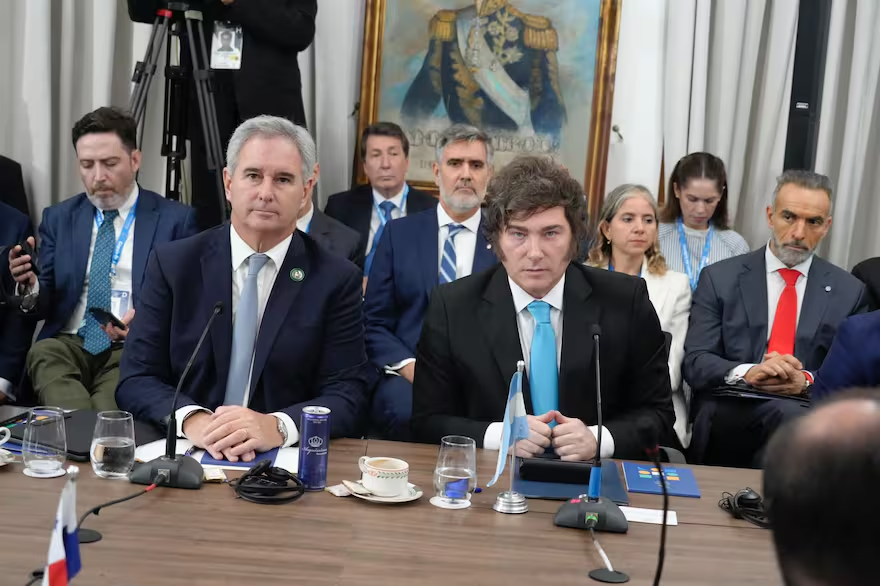
According to the country’s Foreign Ministry, the withdrawal process has now been completed in line with international treaty requirements. Foreign Minister Pablo Quirno stated that Argentina would continue to engage in global health efforts through bilateral partnerships and regional cooperation.
“Argentina will continue to promote international cooperation in health through bilateral agreements and regional forums, while fully preserving its sovereignty and its capacity to make decisions regarding health policies,” Quirno said.
Previously, Argentina had criticised the WHO, claiming that “the WHO’s recommendations are ineffective because they are not based on science, but on political interests.”
The United States had already finalised its own withdrawal in January, following an executive order signed by Trump after returning to the White House.
The WHO has historically played a major role in global health, including efforts to eradicate diseases such as smallpox and combat major threats like polio, HIV, Ebola, and tuberculosis.
Reacting earlier to the US decision, WHO Director-General Tedros Adhanom Ghebreyesus expressed deep concern, warning that such withdrawals could weaken global health systems and make countries more vulnerable to future health crises.
What you should know
Argentina’s exit from the WHO reflects growing tensions between some national governments and global institutions, especially over pandemic responses.
Critics argue that leaving the WHO could limit access to coordinated global health support, data sharing, and emergency response systems. Supporters, however, see it as a move to reclaim national control over health policies.
With both the United States and Argentina stepping away, concerns are rising about the future strength of international health cooperation and preparedness for global outbreaks.