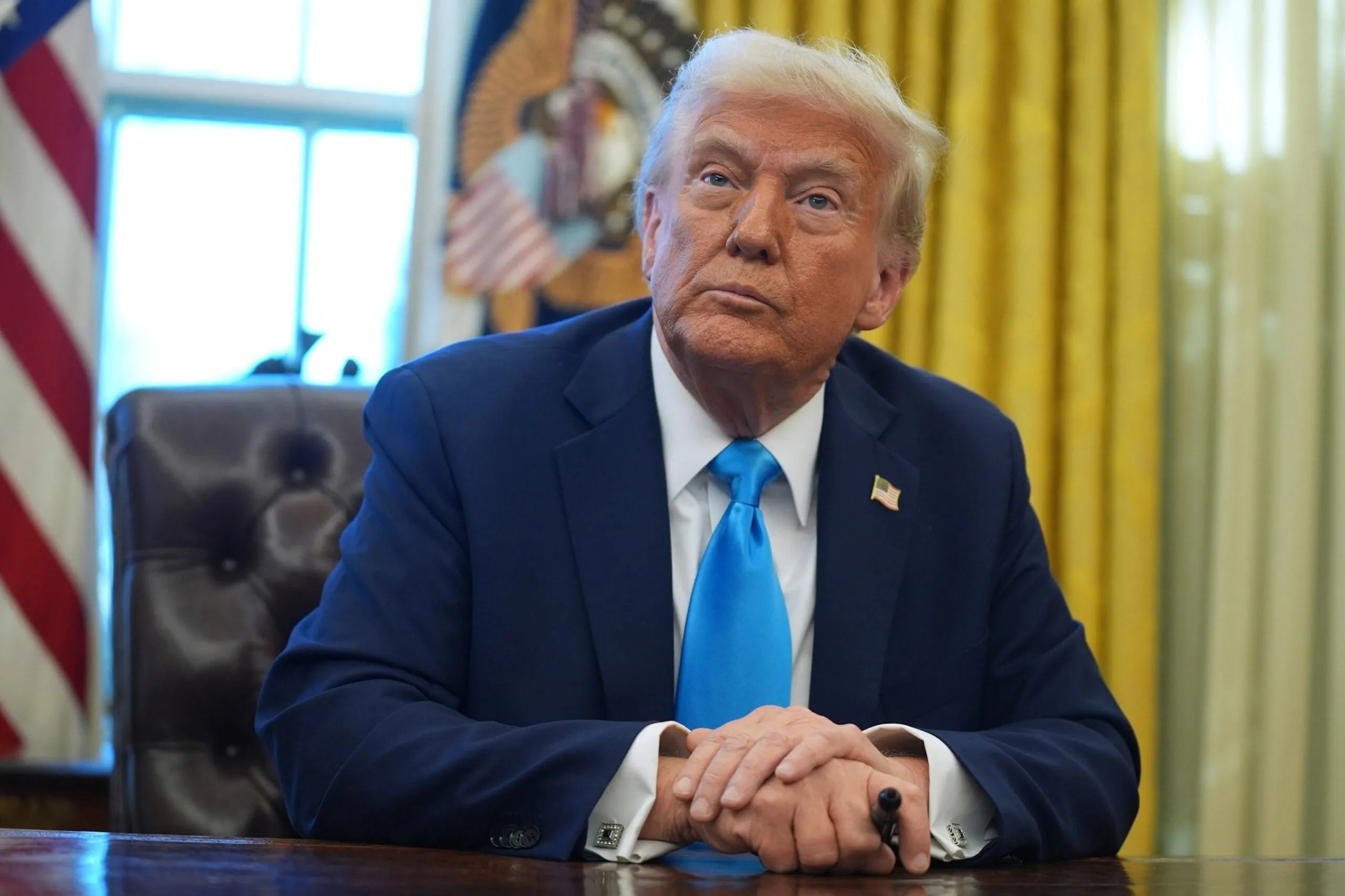
European leaders have pushed back against demands by Donald Trump for allied support to secure the strategically vital Strait of Hormuz, as foreign ministers from the European Union met in Brussels to address surging global oil prices triggered by the ongoing US-Israeli conflict with Iran.
The rejection follows Trump’s call for countries including the United Kingdom, China, France, Japan and South Korea, alongside NATO allies, to deploy naval forces to safeguard the key shipping route.
He warned that failure to support the effort could negatively impact the future of the North Atlantic Treaty Organization.
US officials reportedly spent the weekend seeking backing for the initiative, with plans to potentially announce a coalition in the coming days. However, details about which countries might participate and the timeline for such a move remain uncertain.
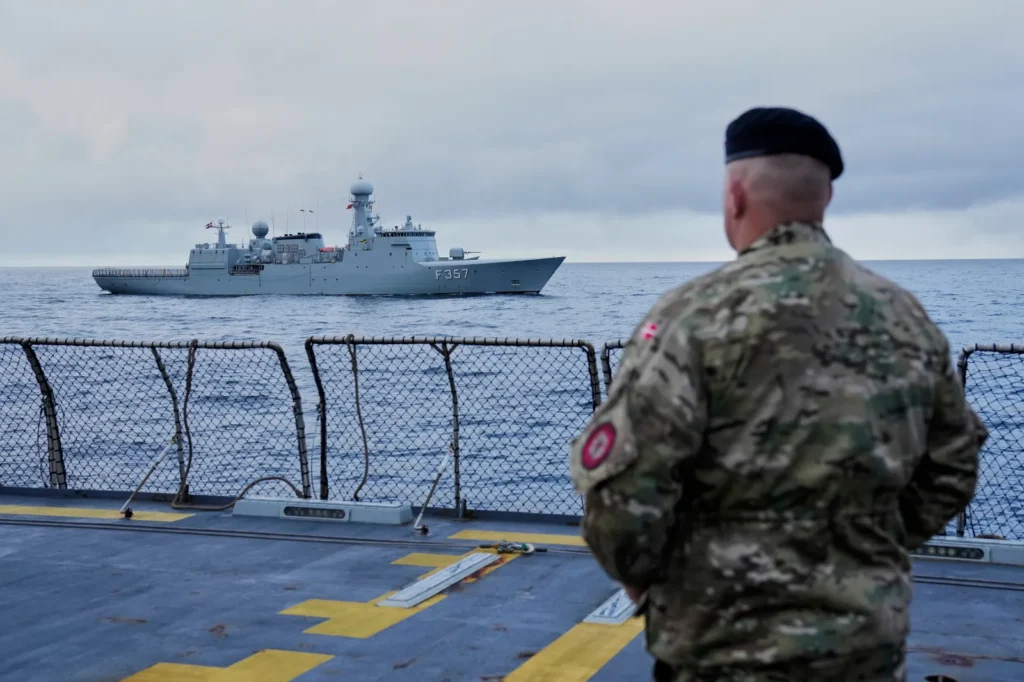
Despite longstanding alliances with Washington, several European nations expressed reluctance to commit military assets to the contested waterway while active hostilities continue. Instead, EU foreign ministers called for greater clarity from both the US and Israel regarding their military objectives and the expected duration of the conflict.
German Foreign Minister Johann Wadephul stated that Berlin would not take part in military operations during the conflict, stressing the need for transparency from Washington and Israel. He said, “We expect from the US and Israel to inform us, to include us into what they’re doing there and to tell us if these goals are achieved. Once we have a clear picture of that, we believe we need to move into the next phase, namely, defining a security architecture for this entire region, together with the neighbouring states.”
Echoing this stance, a spokesperson for German Chancellor Friedrich Merz emphasized that the war does not fall under NATO’s mandate, stating that the alliance is designed to defend its member states, not to engage in external conflicts.
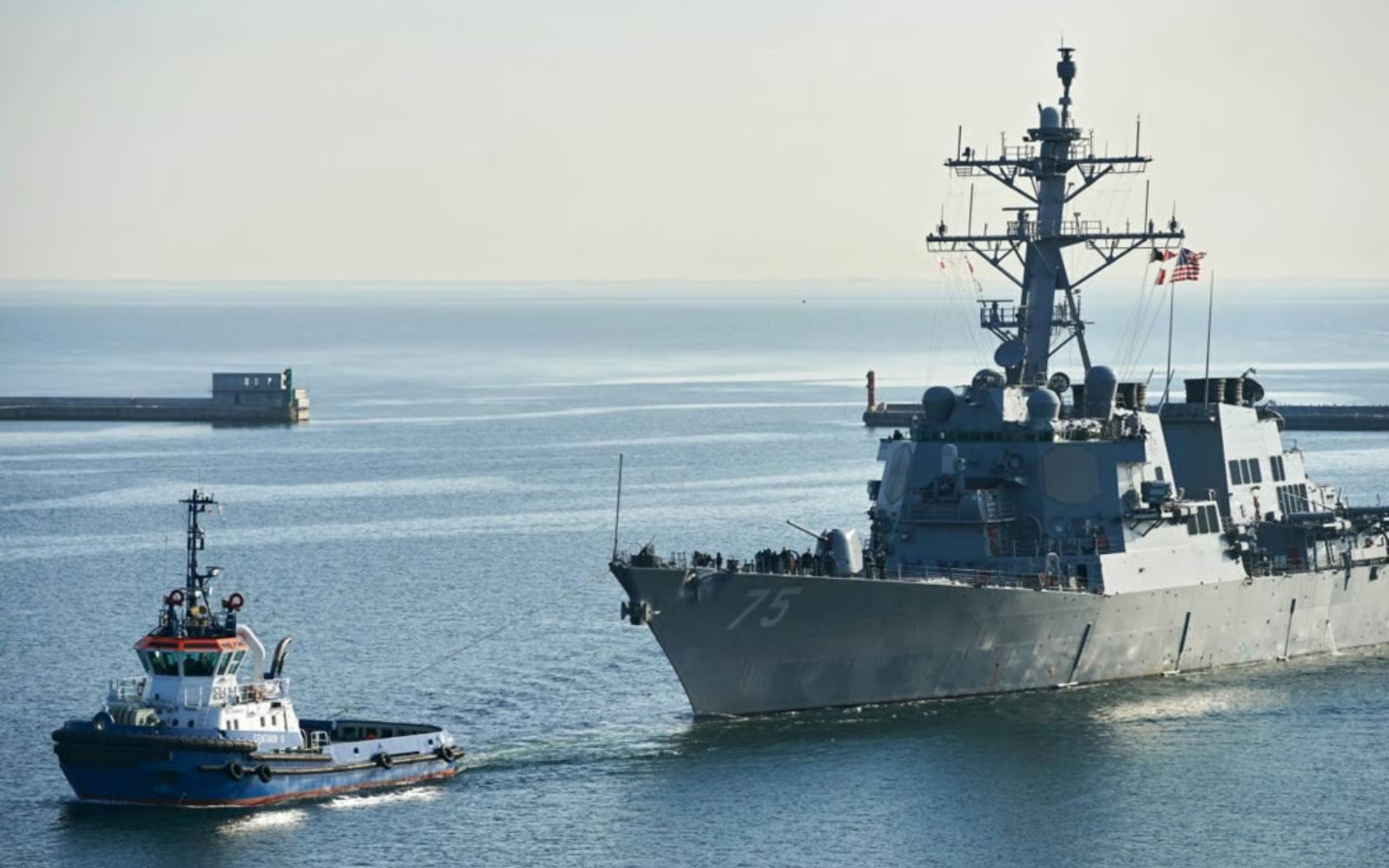
Germany’s Defence Minister Boris Pistorius also questioned the practicality of European involvement, asking what a limited number of European naval vessels could achieve compared to the capabilities of the US Navy. He stated plainly, “This is not our war. We have not started it.”
Other European leaders shared similar concerns. Greek government spokesperson Pavlos Marinakis confirmed that Greece would not participate in military operations in the strait, while Italy’s Foreign Minister Antonio Tajani said Rome was not engaged in any naval missions that could be expanded to the region.
Estonian Foreign Minister Margus Tsahkna called for a clearer understanding of Washington’s strategy, while Poland’s Foreign Minister Radek Sikorski noted that any request routed through NATO channels would be carefully considered.
Denmark’s Foreign Minister Lars Lokke Rasmussen adopted a more cautious tone, suggesting that Europe should remain open to supporting efforts that ensure freedom of navigation, even if it does not endorse the decision to go to war.
Meanwhile, the United Kingdom signaled a more balanced approach. Prime Minister Keir Starmer said Britain would work with allies to develop a plan to reopen the Strait of Hormuz but stressed that it would not be drawn into a broader regional conflict.
EU foreign policy chief Kaja Kallas stated that discussions in Brussels would focus on how the bloc could contribute to restoring access to the waterway. She noted that the closure of the strait, which has pushed oil prices above $100 per barrel, is indirectly benefiting Russia’s war efforts in Ukraine due to increased energy revenues.
In response to the global energy shock, the International Energy Agency announced that it stands ready to release additional oil reserves if necessary. The agency described the current disruption as the largest supply shock in the history of the global oil market.
IEA Executive Director Fatih Birol said that although oil prices have slightly eased compared to the previous week, strategic reserves are only a temporary solution while uncertainty over the strait persists. He added that the agency still holds over 1.4 billion barrels in reserve, which could be deployed if the situation worsens.
The Strait of Hormuz remains a critical global oil transit route, and continued instability in the region is expected to have far-reaching economic and geopolitical consequences.
What you should know
The Strait of Hormuz is one of the world’s most important النفط shipping routes, with a significant portion of global oil supply passing through it daily.
Any disruption, especially during active conflict, has immediate global economic effects, including rising fuel prices and supply chain uncertainty. The reluctance of European countries to join military operations highlights divisions within Western allies over how to respond to the US-Israeli war with Iran.
The situation also underscores the broader geopolitical risks tied to energy security and regional stability in the Middle East.