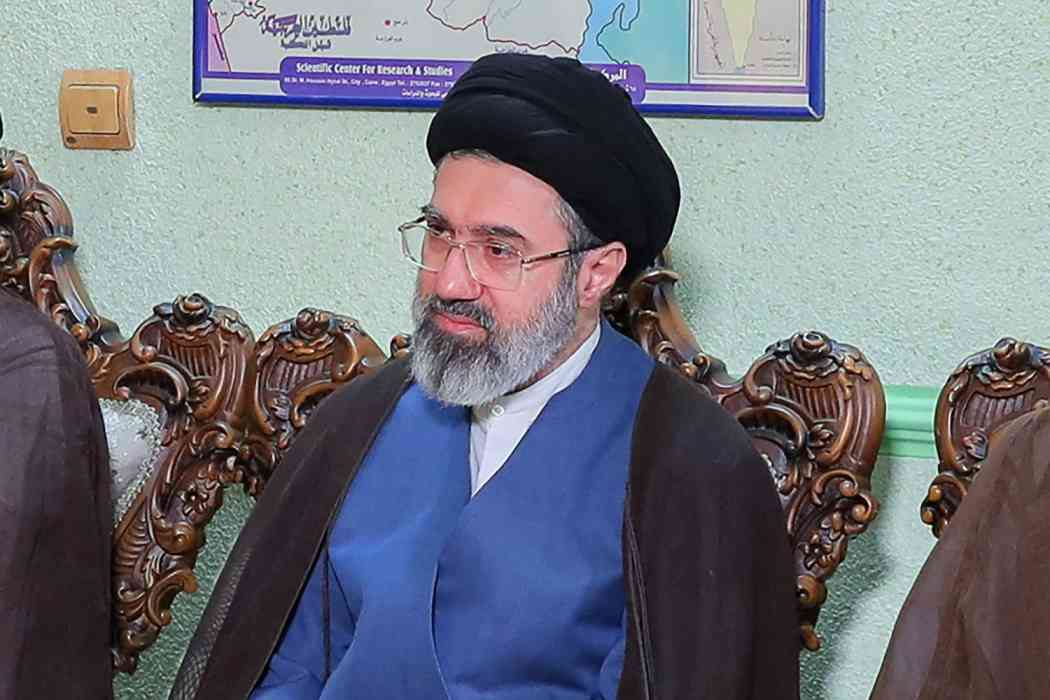
Mojtaba Khamenei has reportedly sustained injuries but remains “safe and sound,” according to Yousef Pezeshkian, who provided the first official explanation for the new leader’s absence from public view since his appointment.
In a message posted on his Telegram channel on Wednesday, Yousef said he had received information that Khamenei was injured but had confirmed through contacts that his condition was stable.
“I heard news that Mr Mojtaba Khamenei had been injured. I have asked some friends who had connections,” he wrote.
“They told me that, thank God, he is safe and sound,” he added.
Khamenei, who had long maintained a low public profile while wielding influence behind the scenes, assumed leadership of Iran following the death of his father, Ali Khamenei. The elder Khamenei was killed in an air strike at the beginning of the ongoing conflict between Iran and the allied forces of the United States and Israel.
Despite his appointment by the Assembly of Experts, the 56-year-old leader has not yet appeared publicly or delivered any official speech, raising questions about his health and whereabouts.
Iranian state television previously described him as a “wounded veteran of the Ramadan war,” referring to the conflict that erupted during the Muslim fasting month, although no details were provided at the time.
A report by The New York Times on Wednesday, citing three unnamed Iranian officials, stated that Khamenei suffered injuries to his legs but remained conscious and was sheltering in a highly secured location with restricted communication.
There has been speculation that the injuries may have occurred during a daytime air strike on a compound in Tehran. The attack reportedly killed his father as well as members of his immediate family on the first day of the war on February 28.
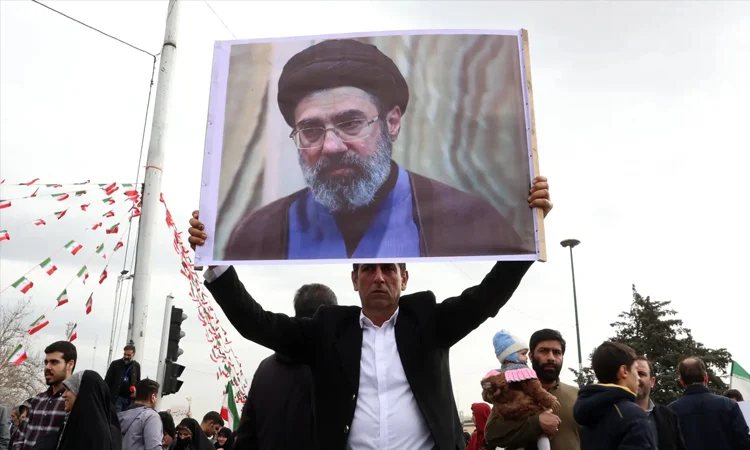
While the new leader has not been seen in public, his image has appeared prominently across Tehran on large billboards. One display depicts him symbolically receiving the national flag from his father, with the founder of the Islamic Republic, Ruhollah Khomeini, looking on.
Supporters also carried posters of Mojtaba during a large pro-government rally held in central Tehran on Monday.

However, signs of opposition have also surfaced. Reports indicate that during the night some residents shouted “Death to Mojtaba!” in parts of the capital, highlighting resentment toward a figure widely believed to have been involved in suppressing anti-government protests since 2009.
The elder Khamenei had also lived for decades with the effects of injuries sustained in a 1981 assassination attempt, an attack attributed to the People’s Mujahedin of Iran.
Under Iran’s political system, the position of supreme leader is held for life and combines political authority with religious leadership for many Shia Islam followers.
Security analysts say Mojtaba Khamenei may remain out of public view for some time given the high risk of assassination.
Emile Hokayem of the London-based International Institute for Strategic Studies said the leader would likely remain in a secure location following the attack that killed members of his family.
“I expect him to sit in a bunker somewhere for a very long time because he saw what happened to his father, his wife, his mother who were all killed in the initial attack,” Hokayem said during an online event.
He added that Israel would likely prioritise eliminating the new leader if the opportunity arose.
“Killing him early is certainly an Israeli priority. If he survives, he becomes a totem, a testimony to the resilience of the system,” he said.
Hokayem suggested that Mojtaba might delegate key responsibilities within the government to senior officials such as national security chief Ali Larijani and parliamentary speaker Mohammad Bagher Ghalibaf during the ongoing conflict.
Following his appointment, Iran’s military establishment, including the Islamic Revolutionary Guard Corps, publicly pledged allegiance to him. Allied groups across the region also declared support, including the Hezbollah in Lebanon and the Houthi Movement.
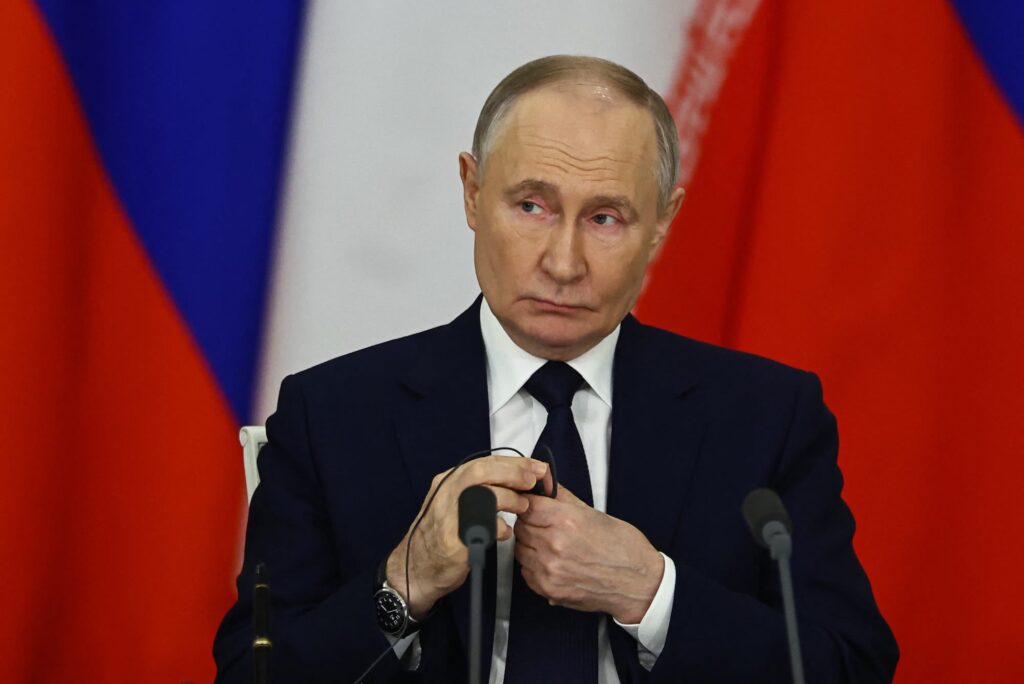
Vladimir Putin also expressed “unwavering support” for Iran following the leadership transition.
Before Mojtaba Khamenei’s appointment was confirmed, Donald Trump had warned that his leadership would be unacceptable to Washington.
“He’s going to have to get approval from us,” Trump told ABC News on Sunday. “If he doesn’t get approval from us he’s not going to last long.”
What you should know
Mojtaba Khamenei’s appointment as Iran’s supreme leader followed the death of his father, Ali Khamenei, during the early stage of the ongoing conflict involving the United States and Israel.
His leadership marks a major political transition in Iran, where the supreme leader holds ultimate authority over the military, judiciary and government. However, the war, security threats and speculation about his injuries have kept him out of public view since his appointment.
His ability to consolidate power and maintain loyalty among Iran’s political and military institutions will likely shape the country’s direction during the conflict.