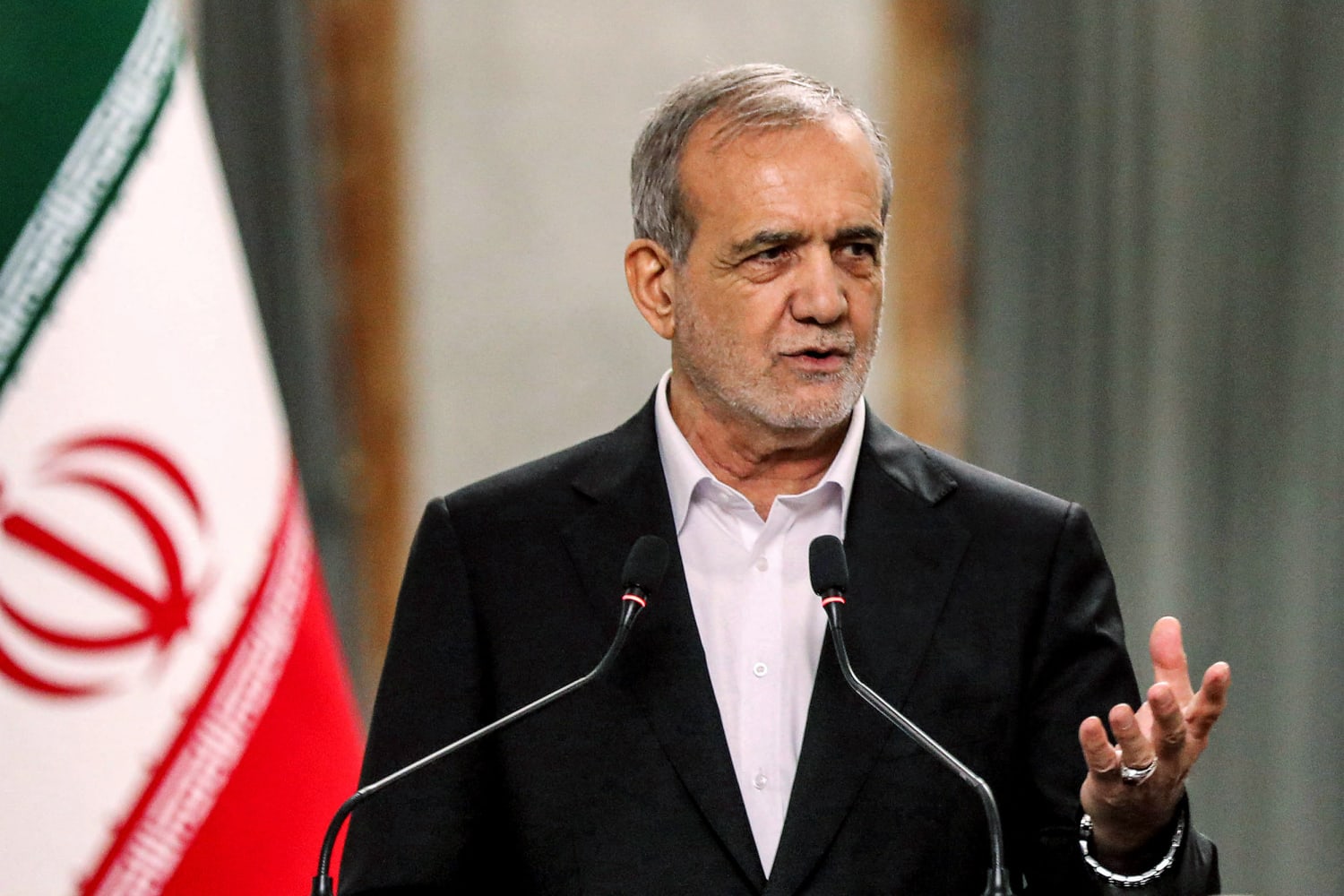
Iran’s Foreign Minister Abbas Araghchi has insisted that the Iranian people alone will determine the country’s next supreme leader, rejecting US President Donald Trump’s claim that Washington should have a say in the selection.
Speaking on NBC’s Meet the Press on Sunday, Araghchi said Iran would not allow external interference in its leadership decisions.
“We allow nobody to interfere in our domestic affairs. This is up to the Iranian people to elect their new leader,” he said.
His remarks came after Trump reiterated that the United States should have influence over who succeeds Iran’s late Supreme Leader, Ayatollah Ali Khamenei, who was killed during the early stages of the ongoing US-Israeli military campaign against Iran.
“He’s going to have to get approval from us,” Trump said in an interview with ABC News. “If he doesn’t get approval from us he’s not going to last long.”
Iran yet to announce successor
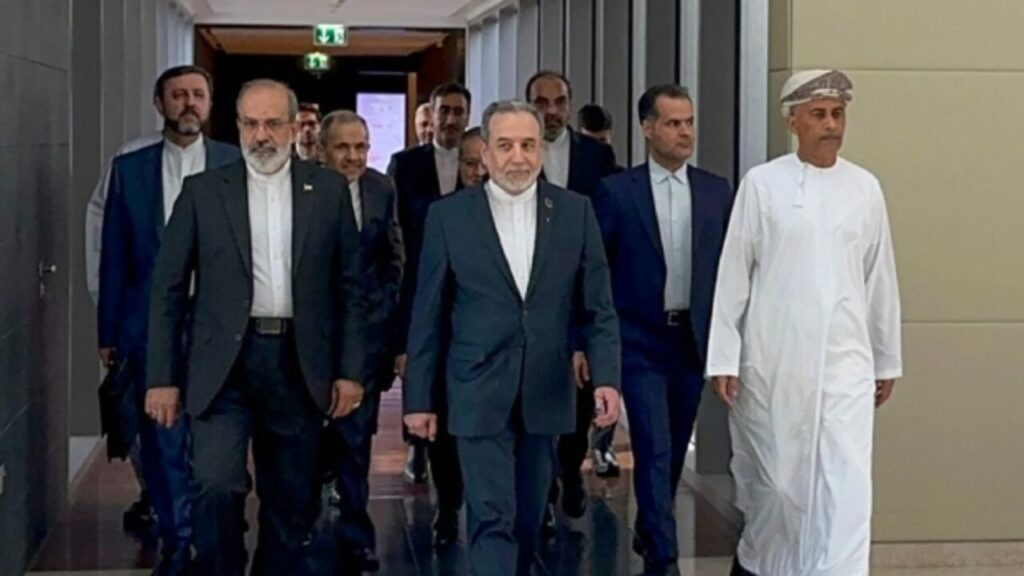
Araghchi declined to comment on who might replace Khamenei, saying the decision rests with Iran’s Assembly of Experts, the clerical body responsible for selecting the supreme leader.
Iranian state media reported that the body had already voted on a successor, though the name has not yet been announced.
Speculation has centred on Mojtaba Khamenei, the 56-year-old son of the late leader, who some clerics have suggested could assume the role. Trump has previously dismissed that possibility.
“We have to wait for the Assembly of Experts to convene and vote for the new supreme leader, and the one who is elected by them,” Araghchi said.
Trump, however, indicated he would be open to a leader connected to the Iranian government that existed before the 1979 Islamic Revolution.
“There are numerous people that could qualify,” the US president said.
Iran demands apology from Trump

Beyond rejecting US involvement in its leadership transition, Araghchi also demanded that Trump apologise for launching the war against Iran.
According to the foreign minister, the conflict has caused significant destruction and loss of life across the region.
“He should apologise to the people of the region and the Iranian people for the killings and destruction they have done against us,” Araghchi said.
He also defended Iran’s missile attacks on neighbouring Gulf states during the conflict, saying the strikes were aimed at American military bases located in the region.
“It is Americans who started this war against us, attacking us, and we are defending ourselves,” he said.
Because Iranian missiles cannot reach the United States directly, Araghchi said Iran had targeted American installations in neighbouring countries instead.
Concerns over missile capability
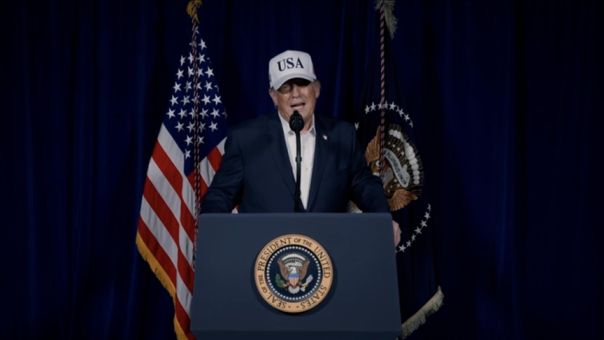
Trump has repeatedly warned that Iran could soon develop missiles capable of striking the United States.
However, a US intelligence assessment released in 2025 indicated that Iran does not yet possess intercontinental ballistic missiles and may not be able to develop about 60 such weapons until around 2035.
What you should know
Tensions between the United States and Iran remain high following the death of Iran’s Supreme Leader, Ayatollah Ali Khamenei, during US-Israeli military strikes.
While Tehran prepares to announce a successor, Washington has suggested it wants influence over the choice, a claim Iranian officials strongly reject.
The disagreement underscores the deepening geopolitical crisis unfolding across the Middle East.