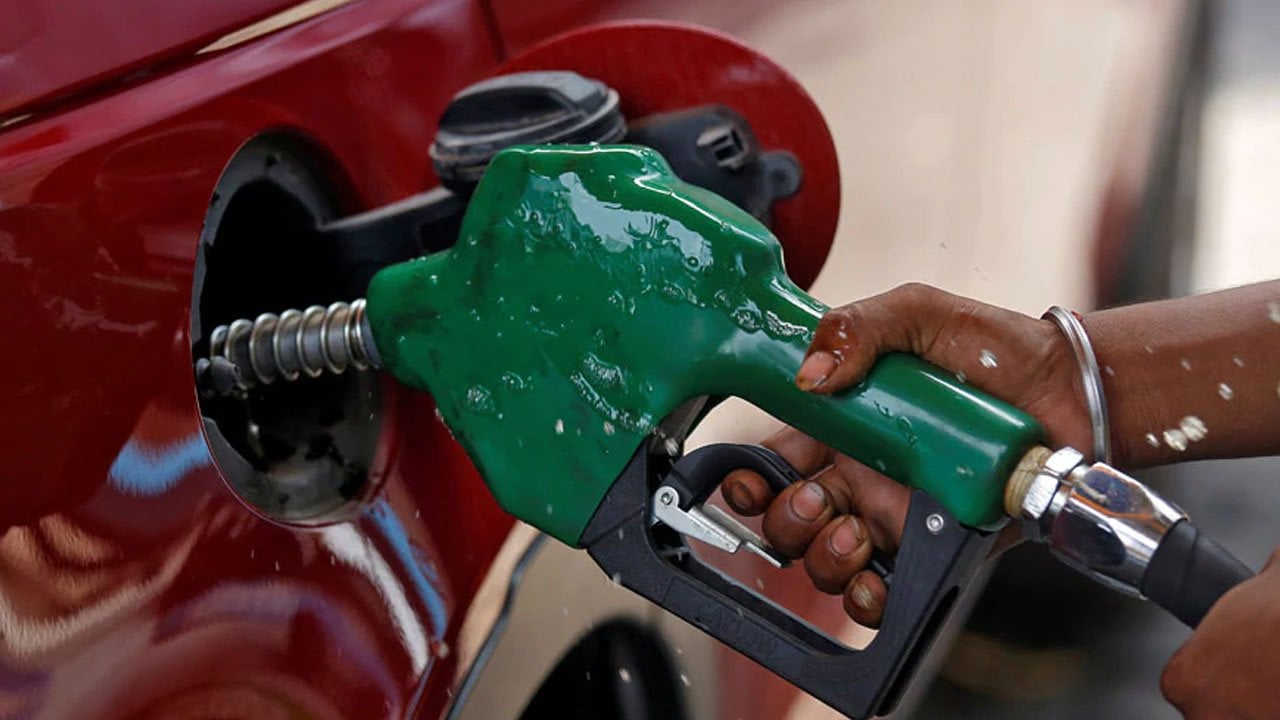
Several independent filling stations in Abuja have cut petrol prices by N35 per liter, from N1,330 to N1,295, a sign that competition in Nigeria’s downstream sector is finally benefiting consumers.
The price cuts, confirmed across multiple outlets of AA Rano, Ranoil, and Mobil filling stations in various Abuja locations, represent the latest in a series of gradual downward adjustments that have characterized the nation’s fuel retail landscape in recent weeks.
This reduction is not happening in a vacuum. The new price point of N1,295 per liter effectively brings these independent marketers in line, or near-line, with the country’s bigger petroleum downstream players, including the Nigerian National Petroleum Company Limited (NNPCL), MRS, AP Ardova, and NIPCO, all of whom have been dispensing petrol within the N1,290 to N1,295 band for several weeks.
In competitive markets, smaller players typically follow the pricing lead of dominant operators to avoid losing customers. That is precisely what appears to be unfolding here.
Independent marketers, facing the risk of dwindling queues at their forecourts while motorists drive past to the bigger brands, have moved decisively to close the price gap.
The President of the Independent Petroleum Marketers Association of Nigeria (IPMAN), Alhaji Abubakar Maigandi, confirmed as much in unambiguous terms.
“It is required to boost patronage,” Maigandi said, offering a frank assessment of the commercial logic driving the reductions. His words lay bare a retail sector under mounting pressure—one where customer loyalty is increasingly price-sensitive and where a gap of even a few naira per liter can determine which station gets a queue and which sits idle.
Perhaps the more remarkable story here is not the N35 price cut itself but the relative calm that has prevailed at Nigeria’s pumps since April 9, 2026, even as the global energy market has been rattled by the ongoing Iran-United States military confrontation in the Middle East.
Friday’s crude oil price data painted a tense picture for global markets. West Texas Intermediate (WTI) was trading at approximately $94 per barrel, while the international benchmark, Brent Crude, climbed to around $105 per barrel, figures driven significantly by mounting uncertainty over the Strait of Hormuz, a critical artery through which a significant chunk of the world’s oil supply flows.
Any sustained disruption to the Strait carries severe implications for global supply chains and, by extension, pump prices in import-dependent nations like Nigeria.
That Nigerian retail prices have remained relatively stable through this period of international turbulence will come as a relief to consumers, even if analysts caution that the situation remains fragile.
Should the geopolitical conflict deepen or the Strait of Hormuz face a prolonged blockade, the downstream effects on Nigerian fuel pricing could be swift and severe.
For the average Abuja driver filling a 50-liter tank, the N35 per liter reduction translates to a saving of N1,750 per fill, a figure that, while not transformative, is nonetheless welcome in an economy where transportation costs ripple through every layer of daily life, from food prices to school runs.
The bigger question is whether this reduction signals the beginning of a sustained downward trend or is simply a short-term competitive maneuver that could reverse just as quickly as global oil prices shift. For now, the pump price war in Abuja’s forecourts offers Nigerian motorists a rare piece of good news.
WHAT YOU SHOULD KNOW
Nigerian filling stations in Abuja have trimmed petrol prices by N35 to N1,295 per liter, a competitive response to attract customers away from major marketers like NNPCL, MRS, and Ardova, who have held similar rates for weeks.
While this offers modest savings to motorists, the more critical takeaway is that this price stability is fragile. With crude oil prices surging to $94 (WTI) and $105 (Brent) per barrel amid the Iran-U.S. conflict and ongoing uncertainty over the Strait of Hormuz, any escalation in the Middle East could rapidly reverse these gains and send Nigerian pump prices climbing once again.