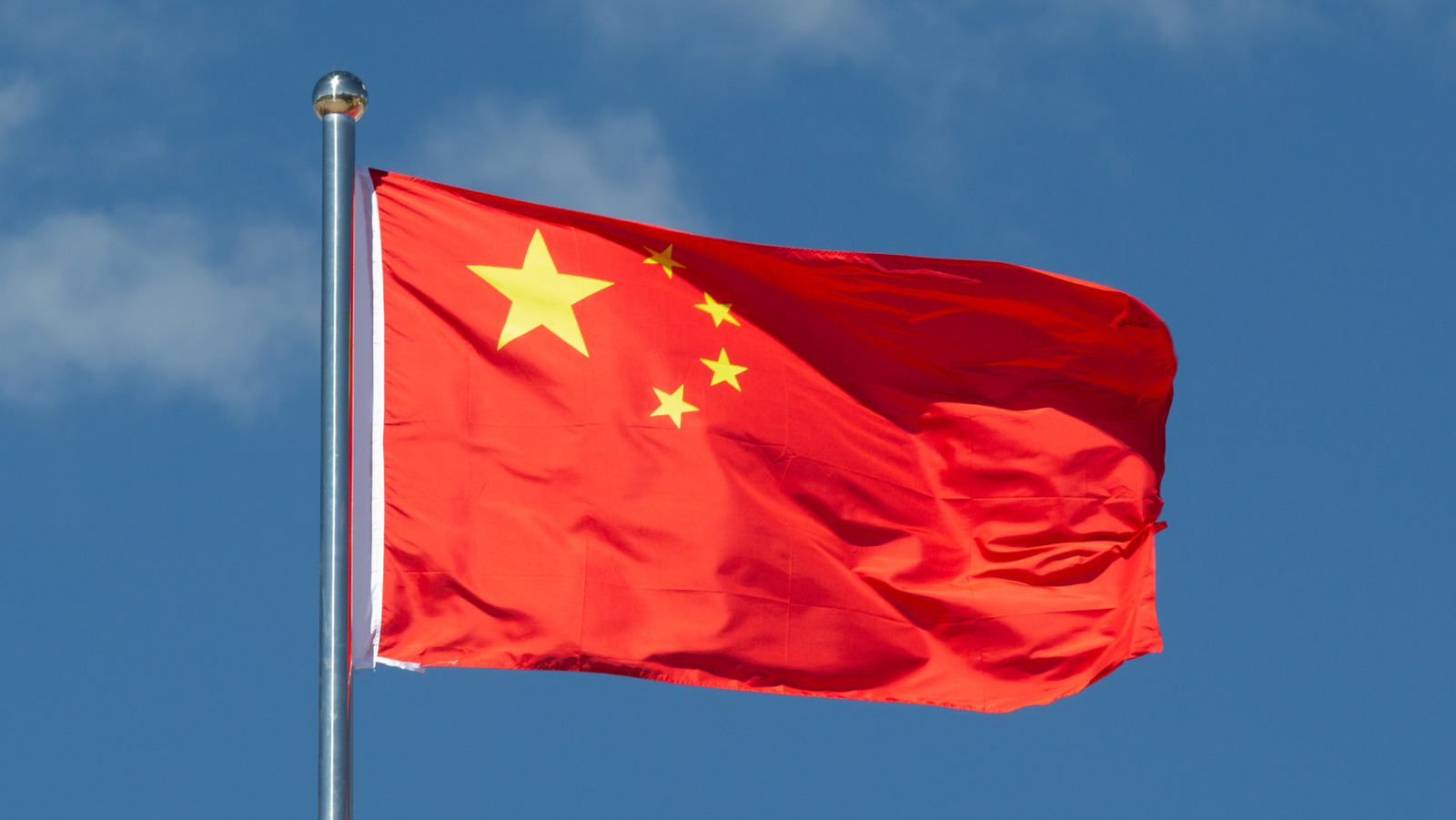
China’s government has instructed the nation’s oil refiners to immediately suspend exports of diesel and gasoline, citing severe disruptions to crude oil supplies stemming from the intensifying U.S.-Iran war in the Persian Gulf.
The directive, issued verbally by officials from the National Development and Reform Commission (NDRC), China’s top economic planning body, prioritizes fuel security at home amid fears of prolonged global oil market volatility.
The order, which took effect immediately, affects key state-owned giants such as PetroChina Co., China Petroleum & Chemical Corp. (Sinopec), China National Offshore Oil Corp. (CNOOC), Sinochem Group, and the private Zhejiang Petrochemical Corp.
These companies, which regularly secure government quotas for fuel exports, have been told to cease signing new contracts and negotiate cancellations of existing shipments.
A spokesperson for China’s foreign ministry, when questioned during a routine press briefing, claimed no knowledge of the suspension, while the affected refiners did not respond to requests for comment.
This decision comes against the backdrop of a rapidly worsening crisis in the Middle East, where the U.S.-led strikes on Iran, including the reported sinking of an Iranian warship off Sri Lanka, have effectively paralyzed shipping through the Strait of Hormuz. This narrow waterway serves as a critical chokepoint for global energy flows.
The strait, situated between Iran and Oman, typically handles about 20% of the world’s oil and a similar share of liquefied natural gas (LNG), with the bulk destined for Asian markets like China, India, Japan, and South Korea.
Iranian officials have threatened to target any vessels attempting passage, leading to a near-total halt in traffic: tanker transits dropped by around 90% in recent days, leaving hundreds of vessels stranded outside the strait.
The Middle East accounted for 57% of China’s seaborne crude imports in 2025, making the country particularly vulnerable to supply shocks. With the conflict showing no signs of quick resolution, U.S. President Donald Trump has pledged naval escorts and insurance for Gulf shipments. Still, disruptions persist—Beijing appears to be battening down the hatches. Analysts warn that prolonged closure could drive oil prices to $100 per barrel or higher, exacerbating inflationary pressures worldwide.
The export halt is expected to tighten global fuel markets, potentially boosting prices for diesel and gasoline as China redirects its refined products inward. In Asia, refiners in India and elsewhere may see windfall gains from higher refining margins, with some, like Mangalore Refinery and Petrochemicals Ltd., already declaring force majeure on exports due to crude shortages. Meanwhile, heavy crude prices in the Americas have hit multi-year highs as buyers scramble for alternatives to Middle Eastern sour grades.
Chinese refineries are already feeling the pinch: Zhejiang Petrochemical, partly backed by Saudi Aramco, has reduced runs by 20% and advanced maintenance on a major crude unit amid tightening supplies. Broader cuts across the sector could follow if the strait remains impassable, though China’s strategic stockpiles and ongoing purchases of discounted Russian and Iranian crude provide some buffer.
Market reactions have been swift. Brent crude surged as much as 13% in early trading this week, hovering above $82 per barrel, while supertanker freight rates from the Middle East to China skyrocketed by over 94% to record levels.
As the world’s largest oil importer, China’s precautionary steps underscore the fragility of global energy interdependence. “This isn’t just about fuel—it’s a stark reminder of how geopolitical flashpoints can upend supply chains overnight,” said one Beijing-based energy analyst.
With no immediate end to the conflict in sight, the ripple effects could extend far beyond the Gulf, testing the resilience of economies from Europe to Asia.
WHAT YOU SHOULD KNOW
China has ordered its major refiners to immediately stop exporting diesel and gasoline to secure domestic supplies.
Rising tensions and military conflict in the Persian Gulf have severely disrupted crude oil flows through the Strait of Hormuz—the world’s most critical oil chokepoint—forcing Beijing to prioritize fuel security at home and signaling how quickly geopolitical shocks in the Middle East can tighten global energy markets.