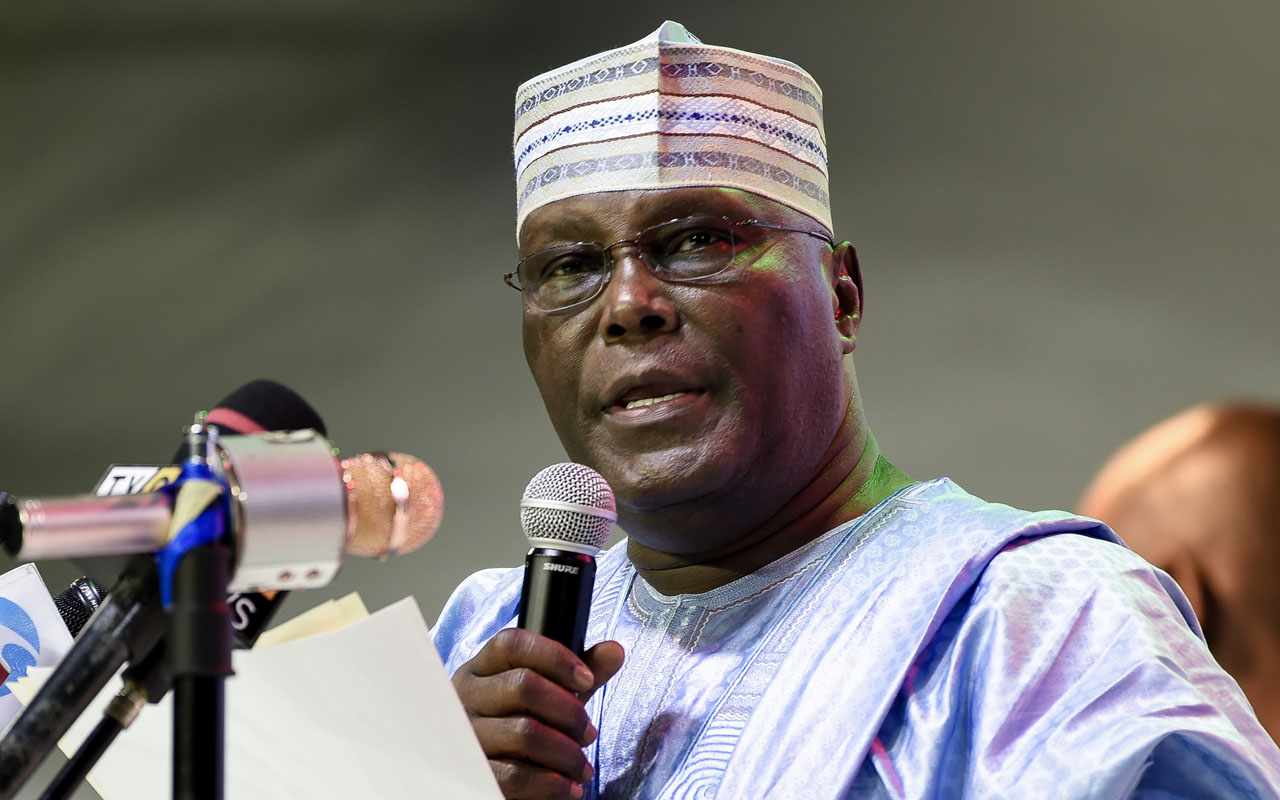
Former Vice President Atiku Abubakar has criticised the Senate over its position on the Electoral Act amendment, warning that allowing both manual and electronic transmission of election results would deepen confusion in the electoral process.
Atiku made the remarks on Tuesday after visiting former military President Ibrahim Babangida in Minna, Niger State, alongside Oyo State Governor, Seyi Makinde.
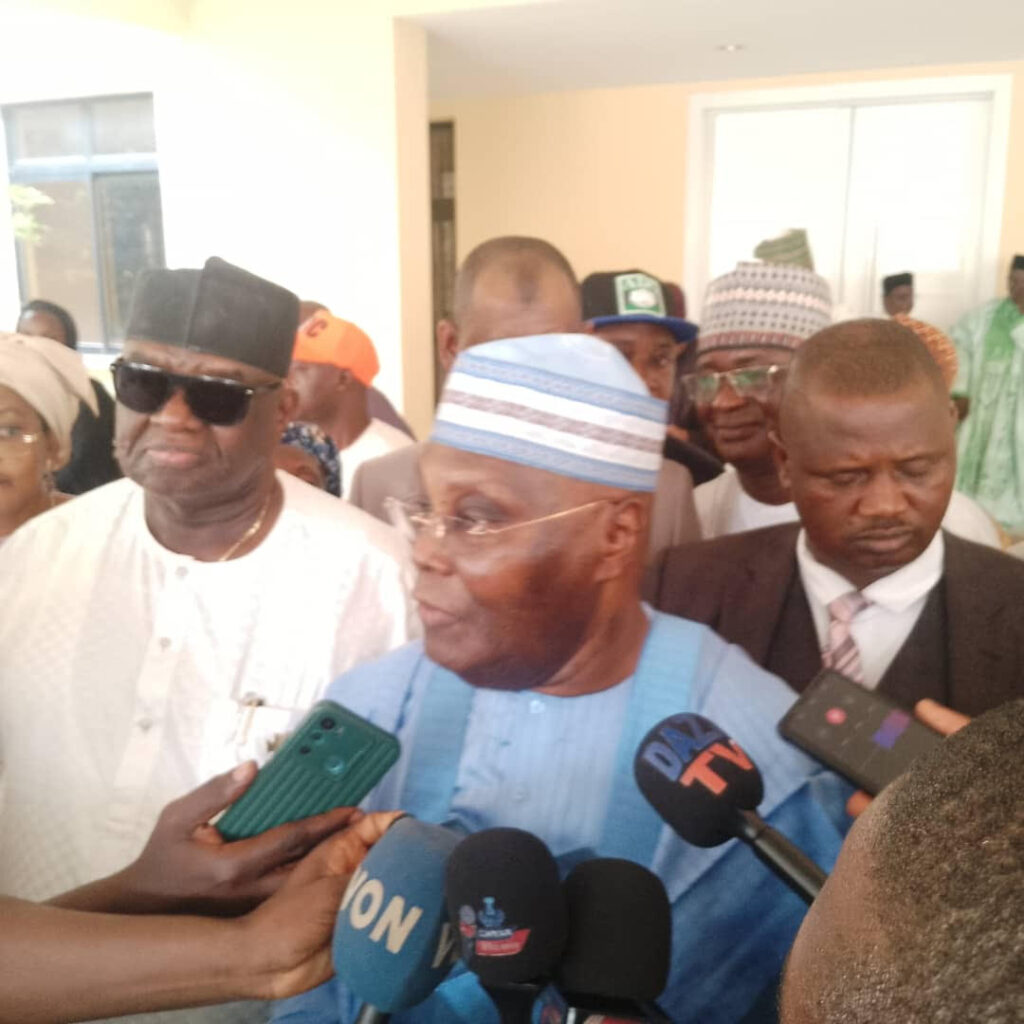
“Nigerians were expecting real-time electronic transfer to the various levels of the elections. But what we got is a mixture of electronic and manual transmission, which is going to cause more confusion or chaos,” the African Democratic Congress chieftain told reporters after the meeting.
“At this point, this is not about me contesting elections. It is about Nigerians who want electronic transmission of election results,” he added.
The comments followed the passage of the Electoral Act (Repeal and Enactment) Bill, 2026, which scaled through a third reading last week. During the process, the Senate removed the requirement for real-time electronic transmission of election results and retained the provision in the 2022 Electoral Act that empowers the Independent National Electoral Commission to decide the method of transmitting results.
The decision sparked public outrage, with opposition leaders and civil society groups staging protests at the National Assembly on Monday and Tuesday to express their dissatisfaction with the lawmakers’ action.
On Tuesday, the Senate revisited Clause 60(3) of the bill and adjusted its position by recognising electronic transmission as the primary means of uploading results, while allowing manual submission through Form EC8A in cases of technical failure.

Despite the adjustment, Atiku, a former presidential candidate, maintained that the opposition’s position remains a “single-tier electoral transmission system”.
“Then, if we have a single-tier electoral transmission system that is real-time electronic, that would be our preference, and I think there is a need for all the opposition political parties to come together to pursue this issue,” he said.
“I mean, we shouldn’t allow it to rest where they wanted it to rest today. Absolutely not. I don’t support that.”
What you should know
Atiku Abubakar’s remarks reflect wider opposition concerns that combining manual and electronic transmission of election results could undermine transparency and public confidence in Nigeria’s electoral process.
While the Senate insists that flexibility is necessary to address technical and network challenges, critics argue that anything short of mandatory real-time electronic transmission leaves room for manipulation and disputes.
The controversy has intensified political pressure on the National Assembly ahead of the 2027 general elections, with opposition parties increasingly calling for a unified stance to push for a clearer, technology-driven electoral framework.