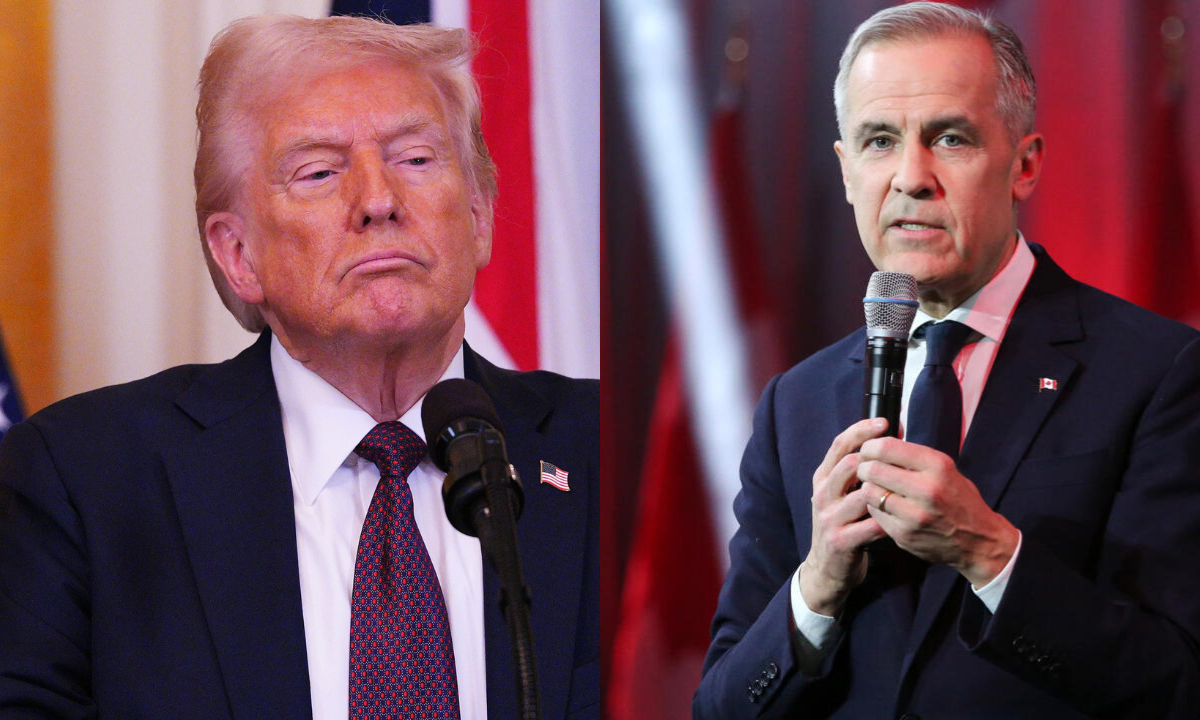
Greenland and Denmark have temporarily set aside a long and uneasy history to present a united front in response to pressure from United States President Donald Trump.
The vast Arctic island, which spent three centuries as a Danish colony, maintains a complex relationship with Denmark, which now governs it as an autonomous territory.
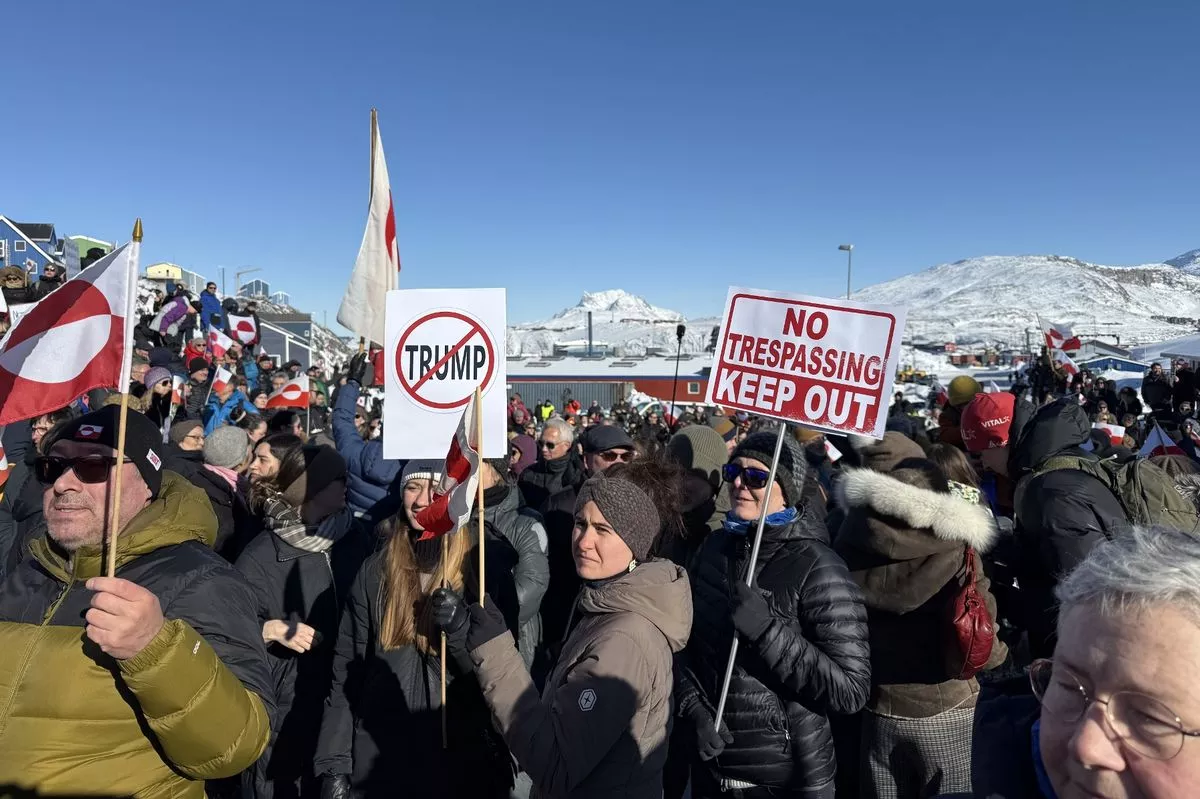
While Greenland’s major political parties broadly support independence, they remain divided over the pace and pathway to achieving it. Trump’s renewed interest in the island, however, pushed them toward rare political unity, culminating in the formation of a coalition government in March last year.
Greenland’s leadership made it clear last week that it had no interest in Trump’s proposal to take control of the island. The idea, which the US president had aggressively promoted, was later toned down on Wednesday after he announced what he described as a framework agreement on Arctic security with NATO Secretary-General Mark Rutte.
Despite differing views on independence, Greenland’s main parties agreed in March 2025 to suspend internal disagreements in the face of mounting US pressure. Only the Naleraq party, which favours a rapid break from Denmark, declined to join the coalition and remained in opposition.
At the height of the diplomatic tension, Greenland’s Prime Minister, Jens-Frederik Nielsen, stated plainly that if forced to choose between the United States and Denmark, Greenland would side with Denmark.
Trump’s claim of negotiating a framework deal with NATO prompted both Greenland and Denmark to restate that decisions concerning their territories can only be made by them. Over weeks of diplomatic exchanges, both governments have maintained a coordinated stance, speaking with one voice.
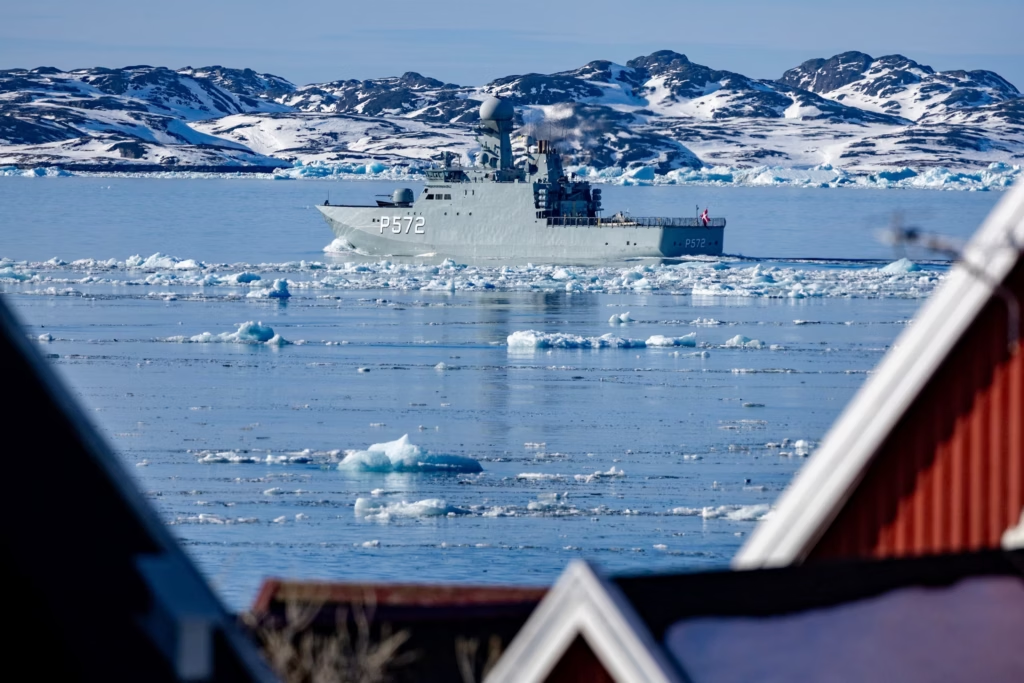
On January 14, Greenland’s Foreign Minister, Vivian Motzfeldt, joined Denmark’s Foreign Minister, Lars Lokke Rasmussen, in Washington for talks with US Vice President JD Vance and Secretary of State Marco Rubio. Days later, she travelled to Brussels for discussions with Rutte alongside Denmark’s Defence Minister, Troels Lund Poulsen.
Beneath this show of unity, however, lie unresolved wounds from their colonial past. Greenland remained a Danish colony from the early 18th century, became a Danish territory in 1953, and was later granted home rule in 1979, a status further expanded in 2009.
“It’s a long history. It has gone through different stages,” said Astrid Andersen, a specialist in Danish-Greenlandic relations at the Danish Institute for International Studies. “Any colonial relation is a question of domination and there have been some injustices committed.”
Those injustices include a 1951 social experiment in which 22 Inuit children were forcibly removed from their families and banned from speaking Greenlandic, as part of an attempt to create a Danish-speaking elite. In 2021, the six surviving victims each received compensation of 250,000 crowns (33,500 euros).
Another deeply controversial chapter involved Denmark’s efforts from the 1960s over several decades to limit Greenland’s birth rate. At least 4,000 women and teenage girls were fitted with IUDs without consent, leaving many unable to have children. Prime Minister Mette Frederiksen has since issued an apology, and compensation processes are ongoing.
Danish authorities also relied on disputed psychological tests to assess whether Greenlandic mothers were fit to raise children. A 2022 study found that children born to Greenlandic families in Denmark were five to seven times more likely to be placed in care homes than those born to Danish families. The practice was only discontinued last year.
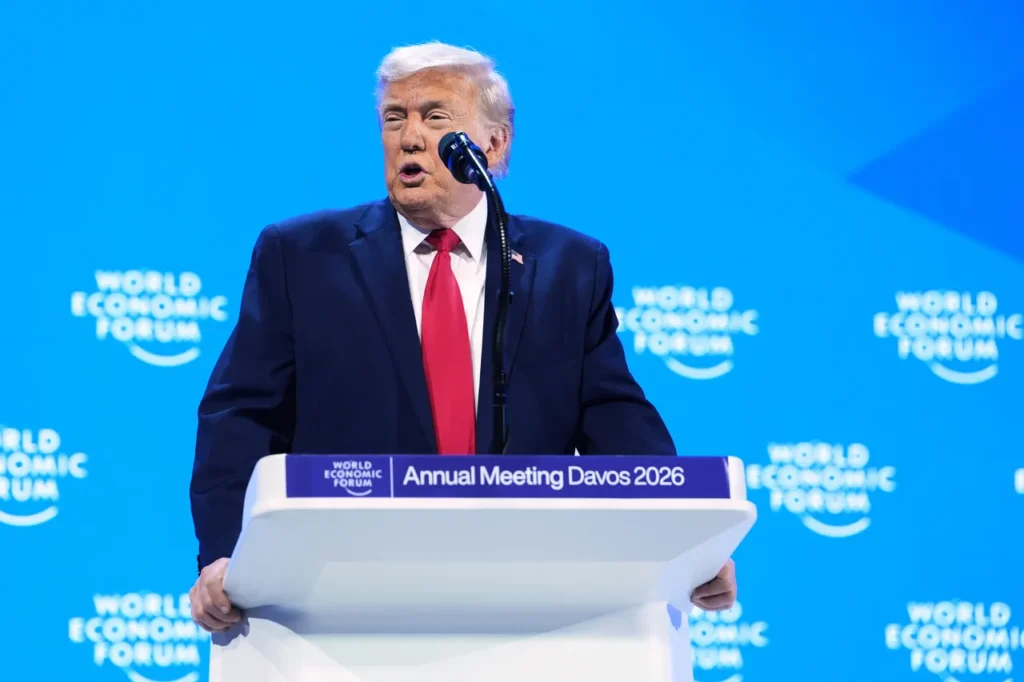
For now, these painful issues have been pushed aside, Andersen noted. “Right now I think there’s a general agreement with a few exceptions that the common opponent right now is Trump and we kind of need to face this together somehow.”
What you should know
Greenland’s renewed alignment with Denmark reflects how external pressure, particularly from the United States, can temporarily override long-standing internal and historical tensions.
While most Greenlandic parties still seek eventual independence, concerns over sovereignty and foreign influence have made cooperation with Denmark strategically necessary.
The episode also revives global attention on Greenland’s colonial past, unresolved grievances, and the delicate balance it must strike between autonomy, alliance with Denmark, and interest from powerful global actors seeking influence in the Arctic.