United States President Donald Trump is expected to hold talks on Thursday with Venezuelan opposition leader María Corina Machado, whose pro-democracy campaign he had previously set aside after the removal of Venezuela’s former leader.
The meeting is drawing attention not only because of Machado’s political standing, but also because of Trump’s public comments expressing envy over her Nobel Peace Prize.
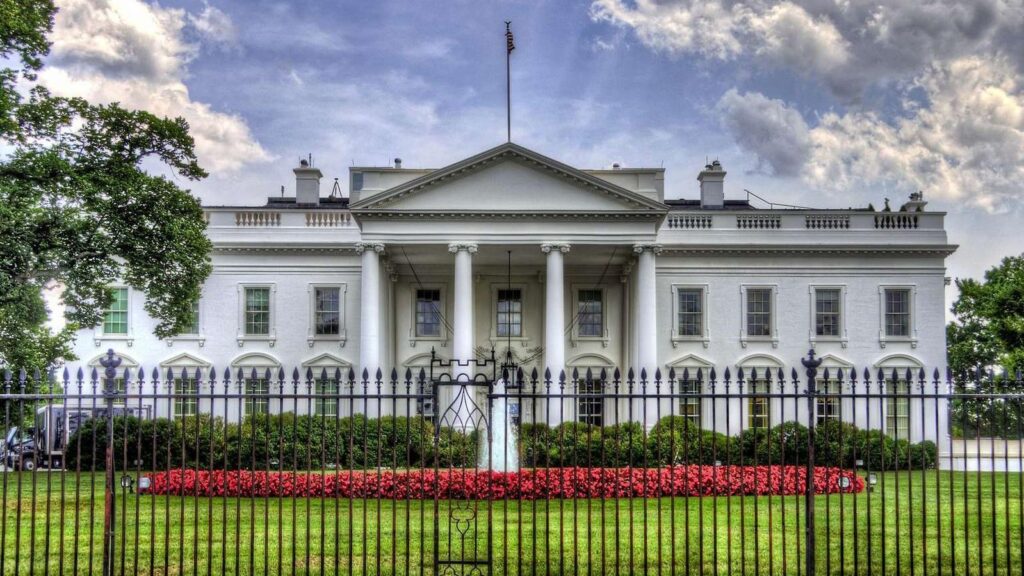
Machado’s visit to the White House comes a day after Trump spoke in positive terms about his first publicly known conversation with Venezuela’s interim president, Delcy Rodríguez. During that exchange, Trump confirmed his approval of the current arrangement that has seen allies of Nicolás Maduro remain influential, at least for the time being.
Trump described Rodríguez as a “terrific person” and praised what he called “terrific progress” since United States special forces captured Maduro and his wife during a deadly operation. Rodríguez, for her part, said the conversation was “productive and courteous” and marked by “mutual respect.”
“Many topics were discussed,” Trump wrote on social media, “including Oil, Minerals, Trade and, of course, National Security.”
Conspicuously missing from Trump’s account was any reference to a political transition in Venezuela, an issue that Washington has recently appeared to downplay in favour of economic interests, particularly access to Venezuelan oil resources.
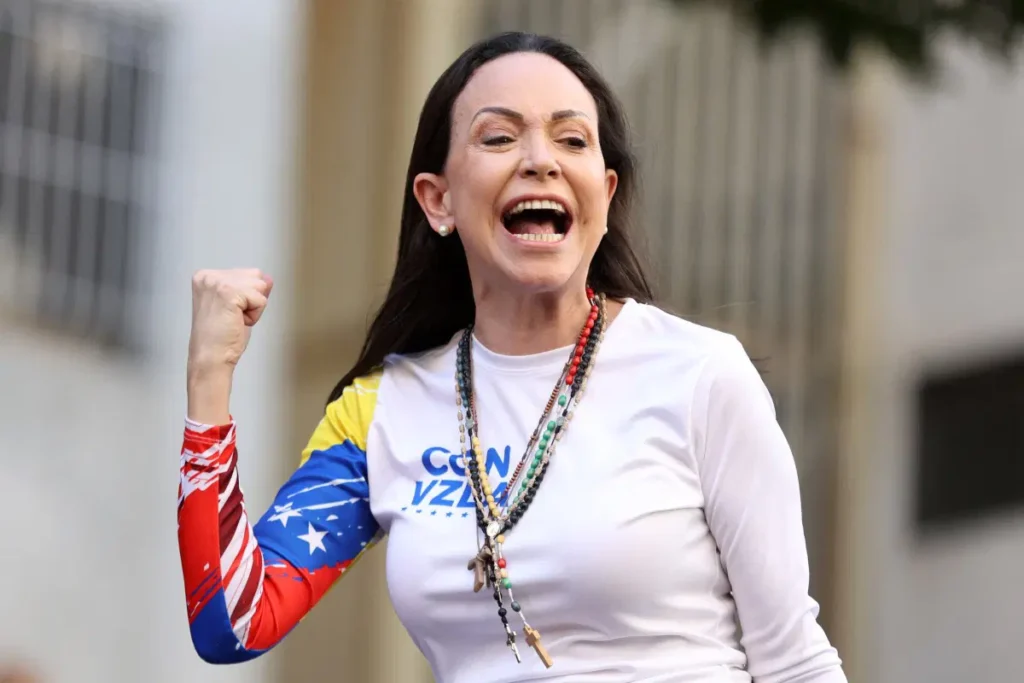
Machado, who has spent years campaigning to end Maduro’s rule, is expected to use Thursday’s meeting to refocus attention on the question of democratic governance and political transition in her country.
Machado, aged 58, received the Nobel Peace Prize last year in recognition of her activism and efforts to promote democracy in Venezuela, despite repeated threats of imprisonment from the Maduro government. Venezuela’s opposition has maintained that Maduro manipulated the 2024 presidential election, presenting evidence that their candidate, Edmundo González Urrutia, was denied victory. These claims have been backed by Washington.
Venezuela’s electoral authorities, widely viewed as loyal to Maduro, never released detailed voting data from the election. In the aftermath, hundreds of people were detained during protests. While González Urrutia fled to Europe in search of asylum, Machado remained inside Venezuela, operating from undisclosed locations and appearing only occasionally at public gatherings.
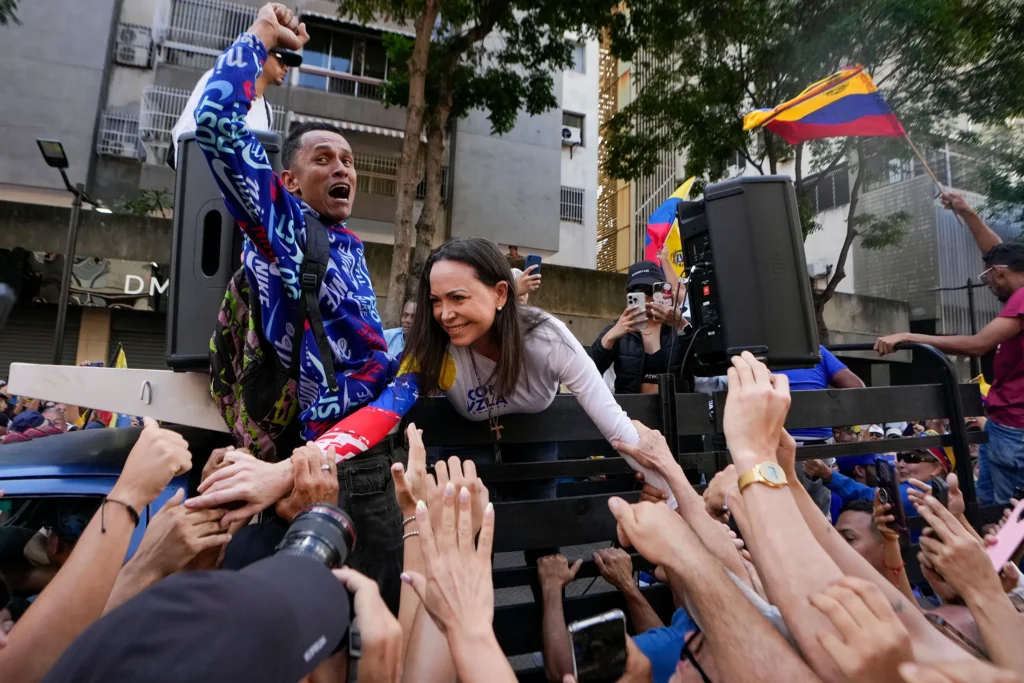
She later surfaced in Oslo, Norway, last month to formally receive her Nobel Prize after a dramatic escape by boat. She has not returned to Venezuela since that trip.
Trump has repeatedly complained about not being awarded the Nobel Peace Prize himself, describing the omission as a “major embarrassment” for NATO ally Norway. Machado has reportedly offered to share her prize with him, and Trump suggested she might hand it over during their meeting.
“I understand she wants to do that. That would be a great honor,” Trump said in a recent interview with Fox News.
However, the Nobel Institute has made it clear that the award cannot be transferred or shared between individuals.
Meanwhile, under pressure from Washington, Venezuelan authorities have released several political detainees in recent days, though rights groups insist that many remain imprisoned. Rodríguez claimed that 406 political prisoners have been freed since December and said the process is still ongoing.
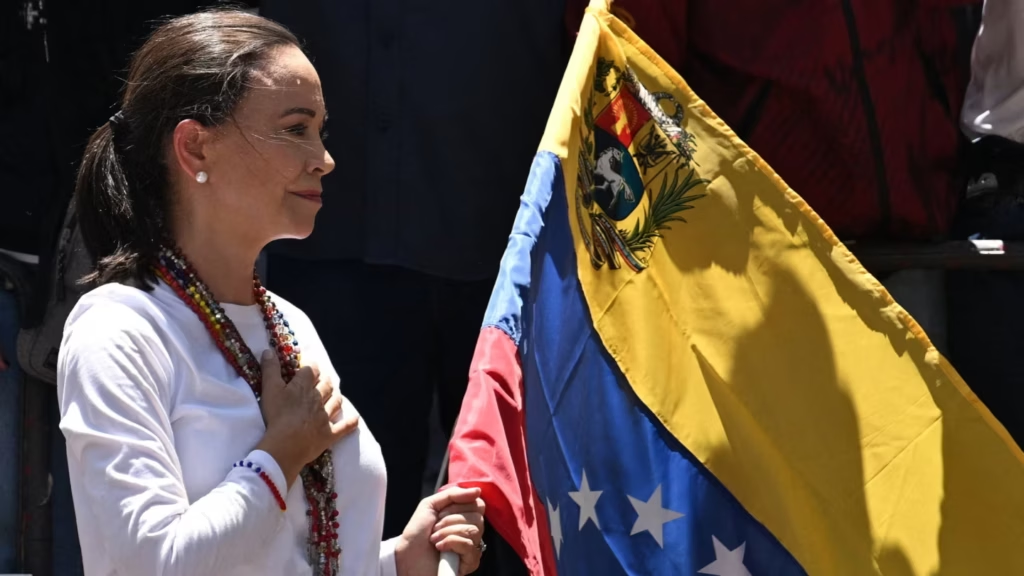
The Foro Penal legal rights organisation, which represents many detainees, offered a significantly lower figure, estimating that around 180 people have been released. An AFP tally, based on information from non-governmental organisations and opposition groups, put the number of releases since Maduro’s removal at about 70.
To avoid public scenes of celebration, authorities have reportedly freed detainees discreetly at locations away from detention centres, keeping families and media at a distance.
What you should know
María Corina Machado remains one of the most prominent symbols of Venezuela’s opposition movement despite years of repression and political setbacks.
Her meeting with President Trump reflects a complex shift in US-Venezuela relations, where economic and security interests appear to be taking precedence over immediate democratic transition.
While Washington continues to acknowledge opposition claims about the 2024 election, recent engagement with interim authorities and limited prisoner releases suggest a pragmatic approach aimed at stability rather than rapid political change.