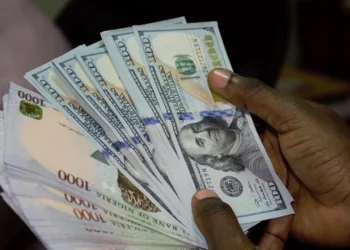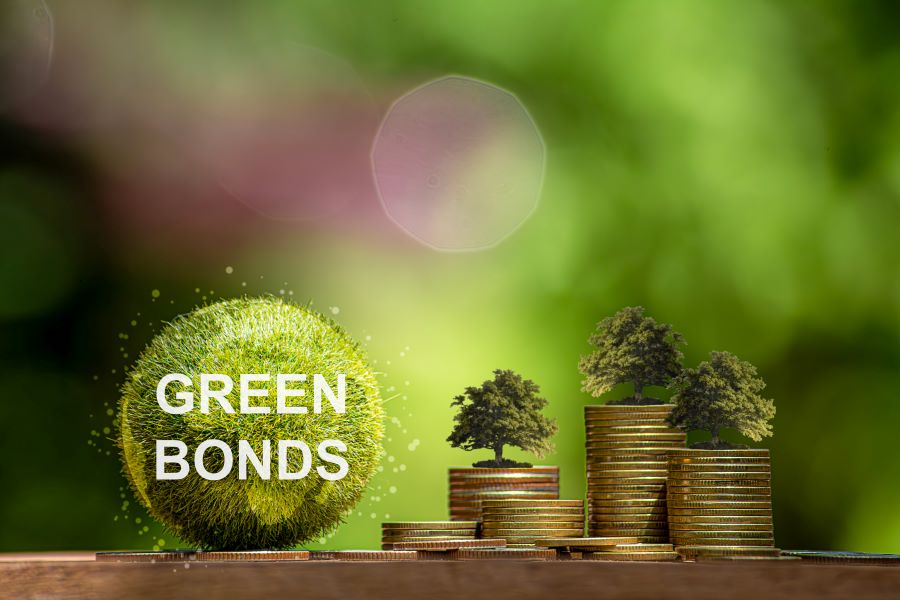
Nigeria is preparing to raise N500 billion (approximately $325 million) through green bond issuance in 2026, marking a significant expansion of the country’s climate finance strategy as it grapples with mounting environmental pressures and seeks to reduce dependence on traditional revenue sources.
Environment Minister Balarabe Abbas Lawal announced the plan during the Abu Dhabi Sustainability Week on Tuesday, outlining an ambitious agenda that would direct proceeds toward improving air quality, expanding access to clean cooking fuels, and combating widespread deforestation across Africa’s most populous nation.
The proposed issuance represents a strategic pivot for Nigeria, which has historically relied heavily on oil revenues to fund government operations and development projects. With global oil markets remaining volatile and international pressure mounting for climate action, the green bond initiative offers an alternative financing pathway that aligns economic necessity with environmental responsibility.
“This initiative reflects our commitment to addressing Nigeria’s most pressing environmental challenges while tapping into the growing global appetite for sustainable finance,” Lawal said, according to Bloomberg reports from the event.
Nigeria’s move places it alongside a growing roster of nations leveraging climate-linked debt instruments to finance environmental and infrastructure projects. Countries, including Saudi Arabia and Hungary, have recently embraced green financing mechanisms, signaling a broader shift in how emerging markets approach both development funding and climate commitments.
For Nigeria, the timing appears strategic. Global investor demand for green and sustainable finance instruments has surged in recent years, driven by institutional investors seeking environmentally responsible assets and governments worldwide implementing stricter climate disclosure requirements.
The planned bond issuance would fund projects addressing some of Nigeria’s most acute environmental challenges. Air pollution remains a critical public health concern in major cities like Lagos and Kano, where rapid urbanization and industrial growth have degraded air quality. Meanwhile, deforestation continues at an alarming rate, threatening biodiversity and contributing to climate vulnerability.
Perhaps most significantly, the funds would support expanding access to clean cooking fuels—a pressing need in a country where millions of households still rely on wood and charcoal, contributing to both indoor air pollution and forest degradation.
The green bond strategy carries particular importance as Nigeria pursues broader fiscal reforms aimed at stabilizing public finances and reducing budget deficits. By attracting climate-focused capital, the government can fund critical infrastructure and environmental projects without adding to its conventional debt burden or depleting its already strained foreign exchange reserves, which are vulnerable to fluctuations in oil revenue.
Nigeria’s experience with green bonds is not entirely new. The country issued Africa’s first sovereign green bond in 2017, raising approximately N10.69 billion. However, the scale of the 2026 proposal—nearly fifty times larger—signals a dramatic escalation in the government’s climate finance ambitions.
The initiative also supports Nigeria’s commitments under international climate frameworks, including its Nationally Determined Contributions under the Paris Agreement. By linking public finance directly to measurable environmental outcomes, the government aims to demonstrate credible progress on climate action while attracting a more diverse investor base beyond traditional sovereign debt buyers.
While environmental advocates and development experts have welcomed the announcement, questions remain about implementation capacity and project selection transparency. Previous green bond proceeds have faced scrutiny over deployment timelines and impact measurement, challenges the government will need to address to maintain investor confidence in this expanded program.
Additionally, success will depend on market conditions at the time of issuance, investor perception of Nigeria’s credit risk, and the government’s ability to demonstrate clear environmental additionality—proof that funded projects deliver genuine climate benefits beyond business-as-usual activities.
As Nigeria continues navigating complex economic headwinds while confronting climate realities, the green bond strategy represents a potential model for how resource-dependent nations can transition toward more sustainable and diversified financing structures. Whether this ambitious plan delivers on its promises will have implications not just for Nigeria’s environmental future, but for climate finance approaches across the African continent.
WHAT YOU SHOULD KNOW
Nigeria is raising N500 billion through green bonds in 2026 to fund critical environmental projects—including clean air initiatives, clean cooking fuel access, and anti-deforestation efforts.
This marks a strategic shift away from oil-dependent financing toward sustainable climate funding, positioning Nigeria to attract global green investors while addressing urgent environmental challenges like air pollution and deforestation.
The success of this ambitious plan, nearly 50 times larger than the country’s 2017 debut green bond, will test whether Nigeria can effectively deploy climate finance and could serve as a blueprint for other African nations seeking to diversify funding sources while meeting international climate commitments.