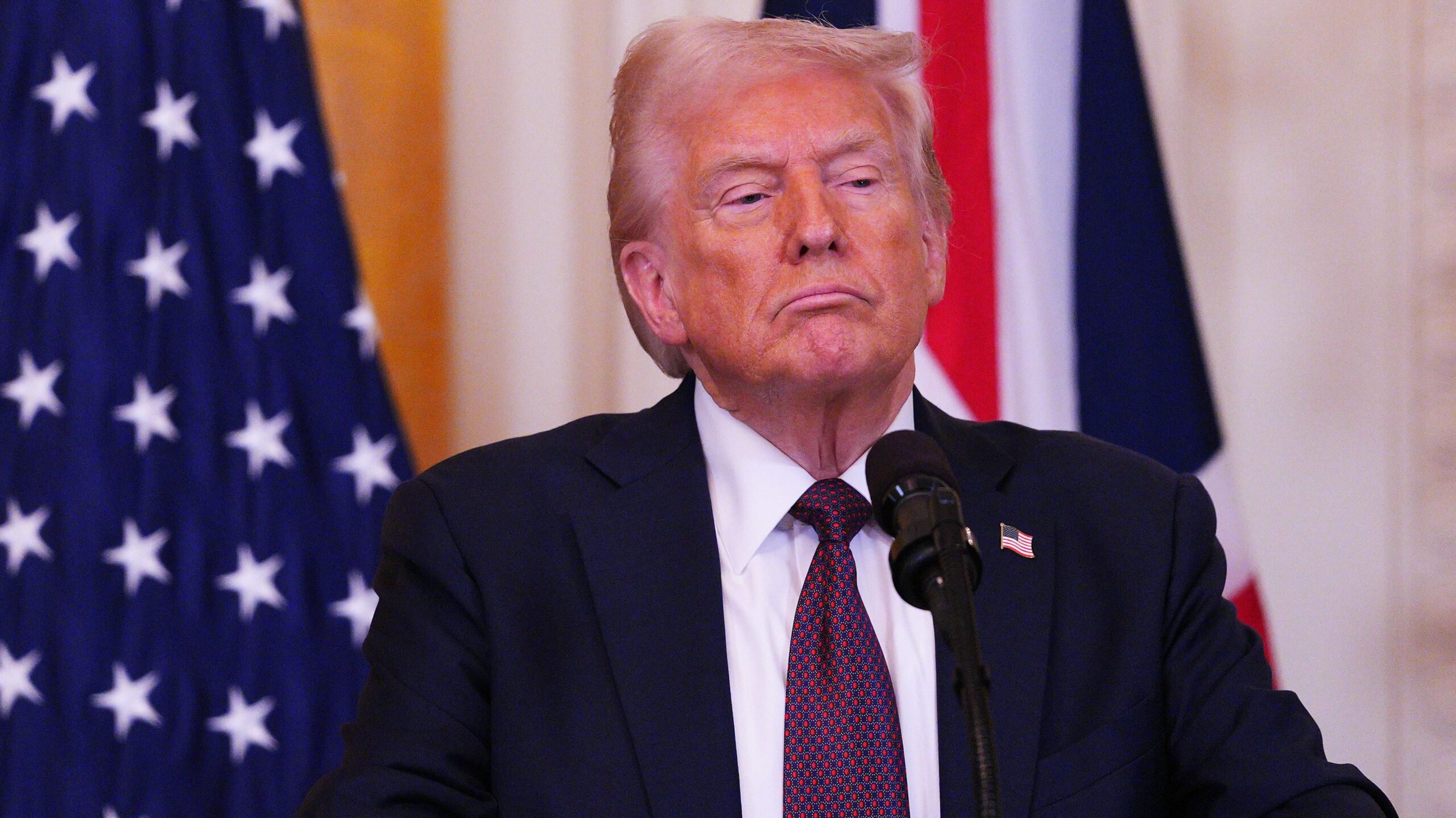
President Donald Trump on Saturday declared that United States forces had captured Venezuelan leader Nicolas Maduro following what he described as a “large scale strike” against the South American nation.
According to Trump, the operation resulted in the arrest of Maduro and his wife, who were allegedly removed from Venezuela after the action. “The United States of America has successfully carried out a large scale strike against Venezuela and its leader, President Nicolas Maduro, who has been, along with his wife, captured and flown out of the Country,” Trump wrote on Truth Social.
“This operation was done in conjunction with U.S. Law Enforcement.”
Trump announced that he would address the development in a news conference scheduled for 11:00 am (1600 GMT) at his Mar-a-Lago residence in Florida, where he has been spending the final days of a two-week Christmas and New Year’s holiday.
Speaking briefly by phone with The New York Times, Trump praised what he called a flawless mission, describing it as a “brilliant” operation. “A lot of good planning and lot of great, great troops and great people,” the newspaper quoted him as saying.
The dramatic claim comes after months of escalating military and economic pressure by the United States on Maduro’s government and Venezuela’s oil-dependent economy. Trump has repeatedly criticized the left-leaning leader, stating in December that “it would be smart for (Maduro)” to resign, while also warning that the Venezuelan president’s “days are numbered.”
Trump’s announcement followed an apparent attempt by Maduro just two days earlier to open dialogue with the US leader, during which he reportedly offered cooperation on combating drug trafficking and illegal migration.
The US president has justified his aggressive posture toward Venezuela on several grounds, including allegations that the country serves as a major source of illegal drugs entering the United States and claims that Venezuelan authorities seized American oil interests.
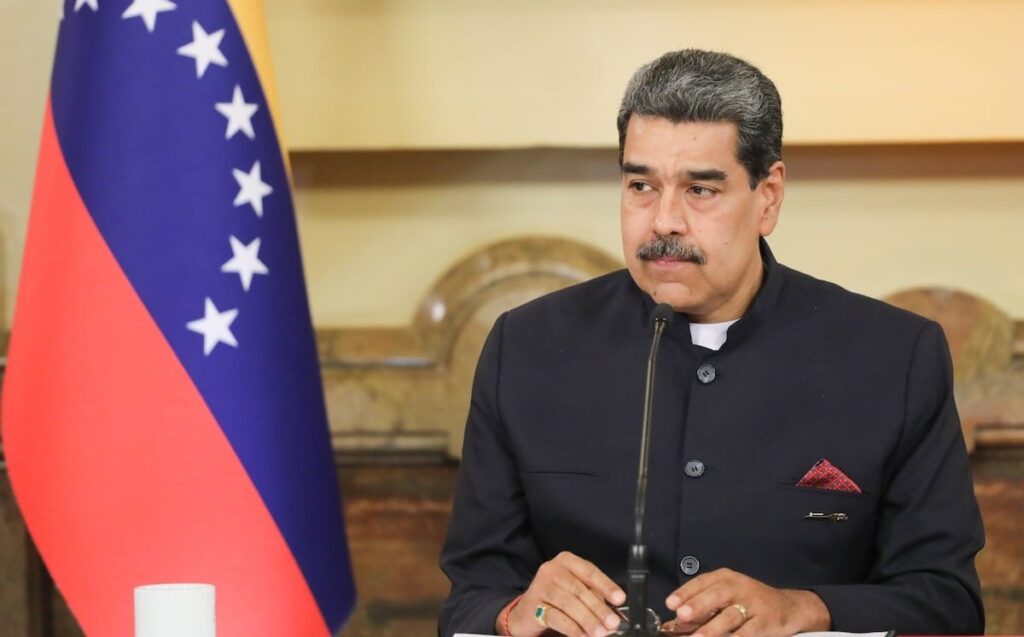
Although Trump has stopped short of openly demanding Maduro’s removal from office, Washington, alongside several European governments, has long questioned the legitimacy of the Venezuelan leader.
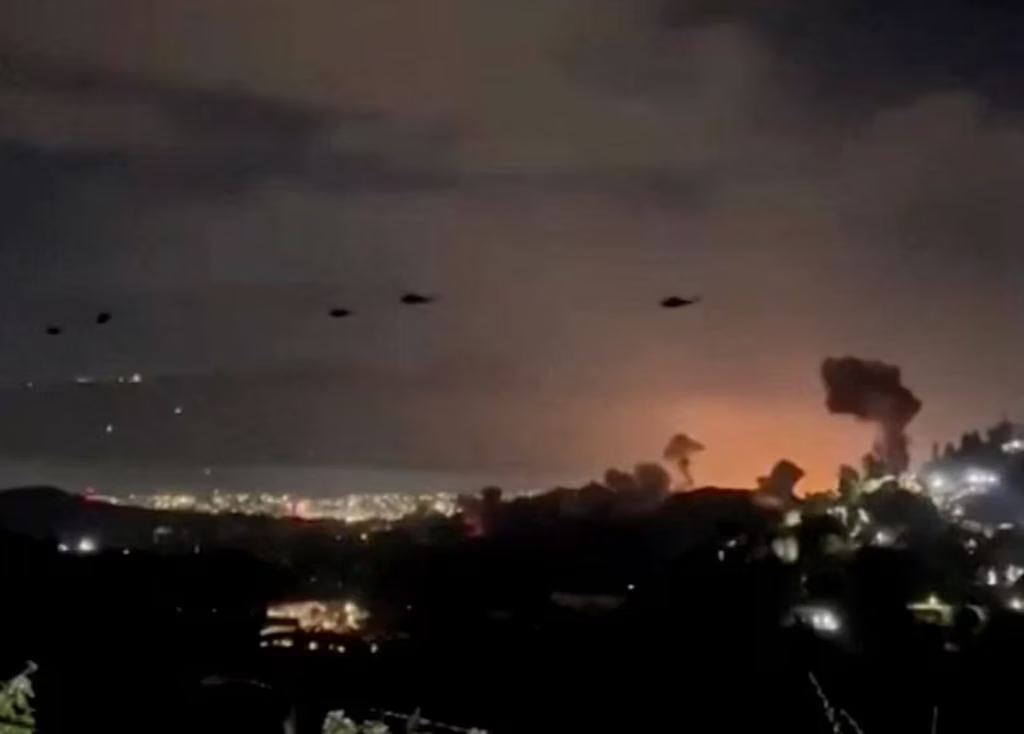
In recent weeks, a significant US naval and air deployment has taken shape in the Caribbean, featuring the aircraft carrier USS Gerald R. Ford and other warships. As part of what has been described as an oil blockade, US forces have reportedly seized two tankers at sea and carried out aerial strikes that killed more than 100 people while targeting small boats accused of involvement in drug trafficking.
Earlier this week, Trump told reporters that American forces had struck and destroyed a docking facility allegedly used by Venezuelan drug boats, marking what was described as the first known attack on Venezuelan territory during the campaign.

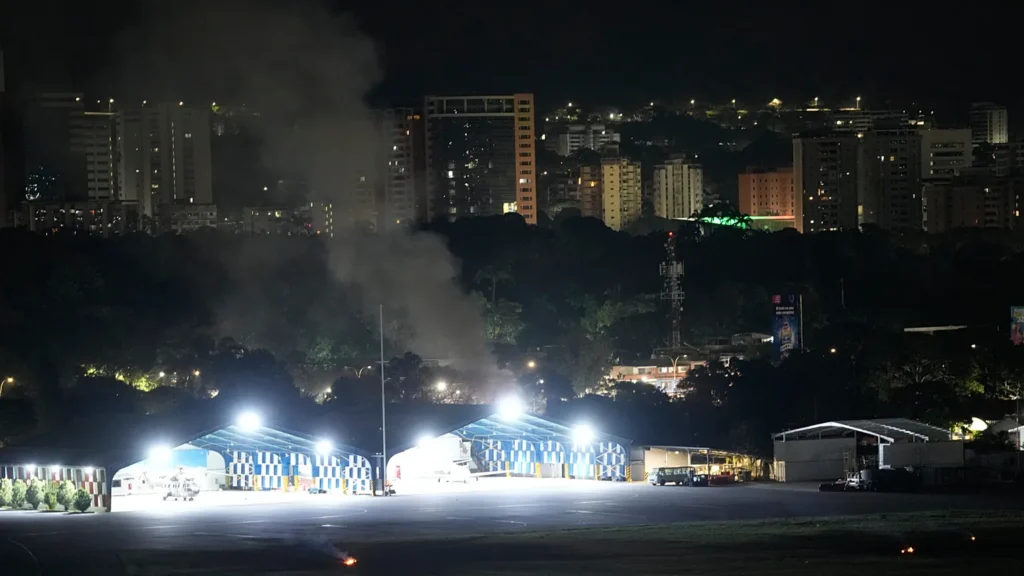
Before Trump’s announcement, Venezuela accused the United States of carrying out an “extremely serious military aggression” after explosions shook Caracas in the early hours of Saturday, following months of mounting pressure from Washington.
US media outlets, including Fox News and CBS News, reported that American forces were conducting military strikes on Venezuela, a sharp escalation many citizens had feared. CNN reported that the first explosion was detected around 1:50 am local time. “One was so strong, my window was shaking after it,” said CNN correspondent Osmary Hernandez.
What you should know
President Donald Trump claims US forces have captured Venezuelan President Nicolas Maduro after a “large scale strike,” though independent confirmation remains unclear.
The announcement follows months of rising US military and economic pressure on Venezuela, including naval deployments, oil blockades, and reported airstrikes. Trump has accused Venezuela of drug trafficking and hostile actions against US interests, while Caracas has condemned the situation as serious military aggression.
The development signals a major escalation in US-Venezuela tensions, with potentially far-reaching political, security, and diplomatic consequences across the region.