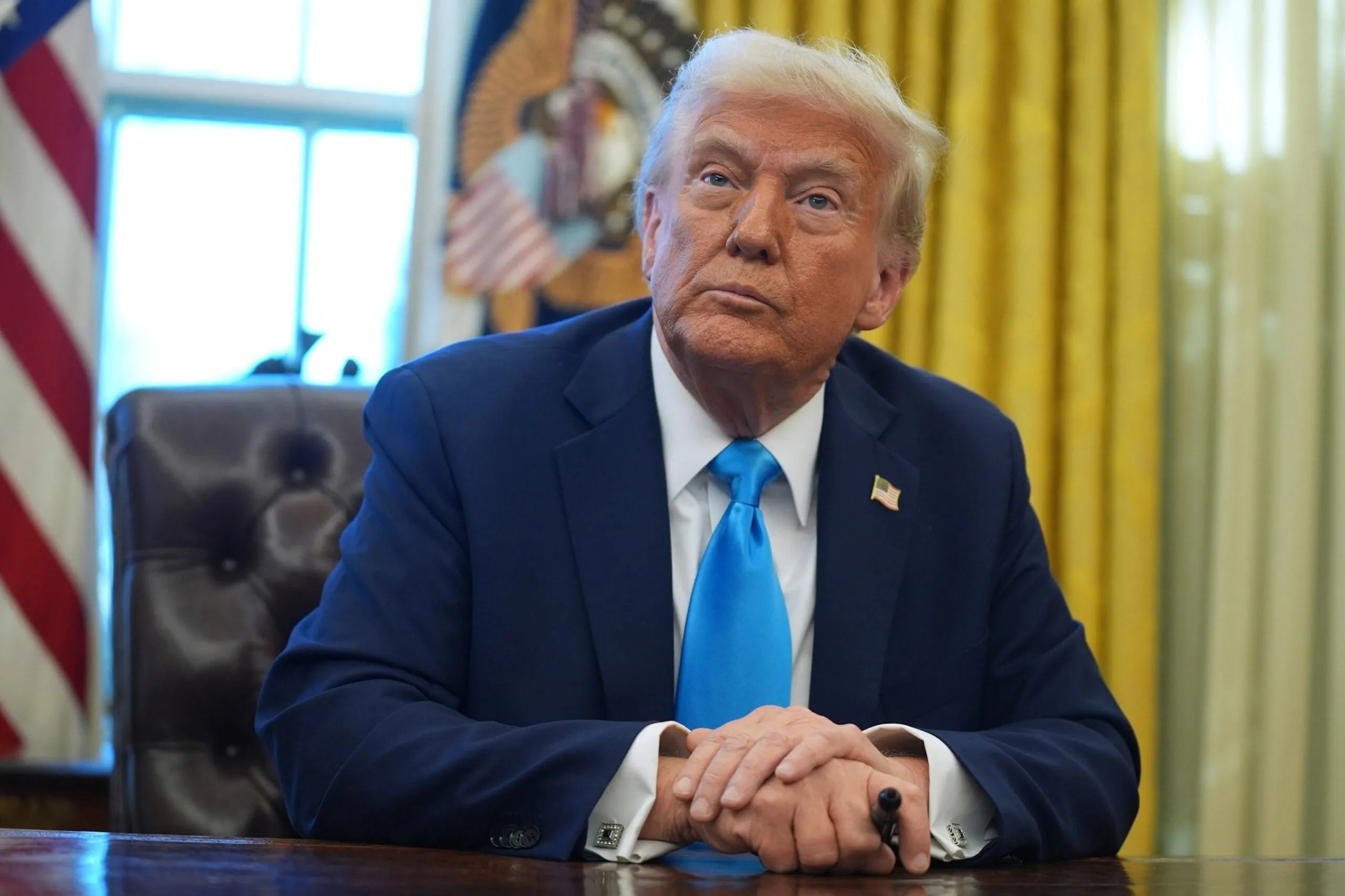
President Donald Trump on Tuesday widened the scope of the United States travel ban, adding citizens of seven additional countries, including Syria, as well as holders of Palestinian Authority passports, to the list of those barred from entering the country.
The move, which aligns with Trump’s long-standing hardline stance on immigration, was framed by the White House as a security measure aimed at blocking foreigners who “intend to threaten” Americans. The proclamation also stated that the restrictions are meant to prevent individuals who could “undermine or destabilize its culture, government, institutions or founding principles” from entering the United States.
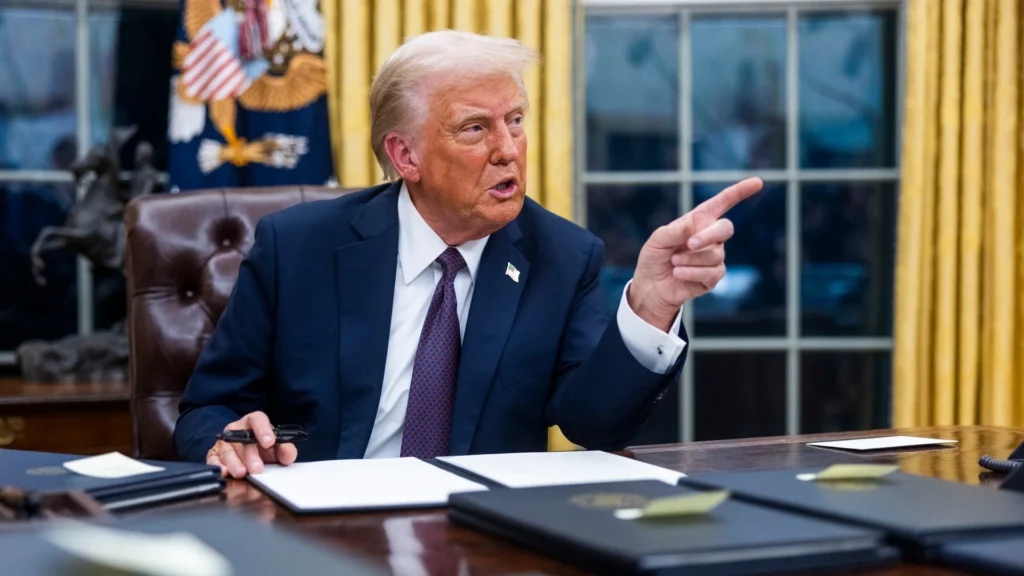
The expansion of the ban follows the killing of two US troops and a civilian in Syria, an incident that occurred just days before the announcement. Trump has recently taken steps to rehabilitate Syria internationally following the fall of longtime ruler Bashar al-Assad. Syrian authorities said the attacker was a member of the country’s security forces who was due to be dismissed over what they described as “extremist Islamist ideas.”
Palestinian Authority passport holders were also formally included, although the Trump administration had already been informally restricting their entry. This position reflects Washington’s continued solidarity with Israel, particularly in response to moves by countries such as France and Britain to recognize a Palestinian state.
Several of the newly added countries are among Africa’s poorest, including Burkina Faso, Mali, Niger, Sierra Leone and South Sudan, alongside Laos in Southeast Asia. In addition to the full ban, the White House announced partial travel restrictions on citizens of several other nations, including Nigeria and a number of Black-majority Caribbean and African states.
The policy shift comes amid increasingly harsh rhetoric from Trump on immigration, especially concerning African-origin migrants. At a recent rally, he said the United States was admitting people from “shithole countries” and argued it should instead seek immigrants from nations like Norway and Sweden. He also referred to Somalis as “garbage” following a scandal involving alleged fraud by Somali Americans in Minnesota. Somalia remains on the full travel ban list.
Other countries still subject to a complete ban include Afghanistan, Chad, Republic of the Congo, Equatorial Guinea, Eritrea, Haiti, Iran, Libya, Myanmar, Sudan and Yemen. Trump recently tightened restrictions on Afghans further by ending a programme that had allowed entry for those who assisted US forces during the war against the Taliban. This followed an incident in which an Afghan veteran, reportedly suffering from post-traumatic stress, shot two National Guard troops in Washington.
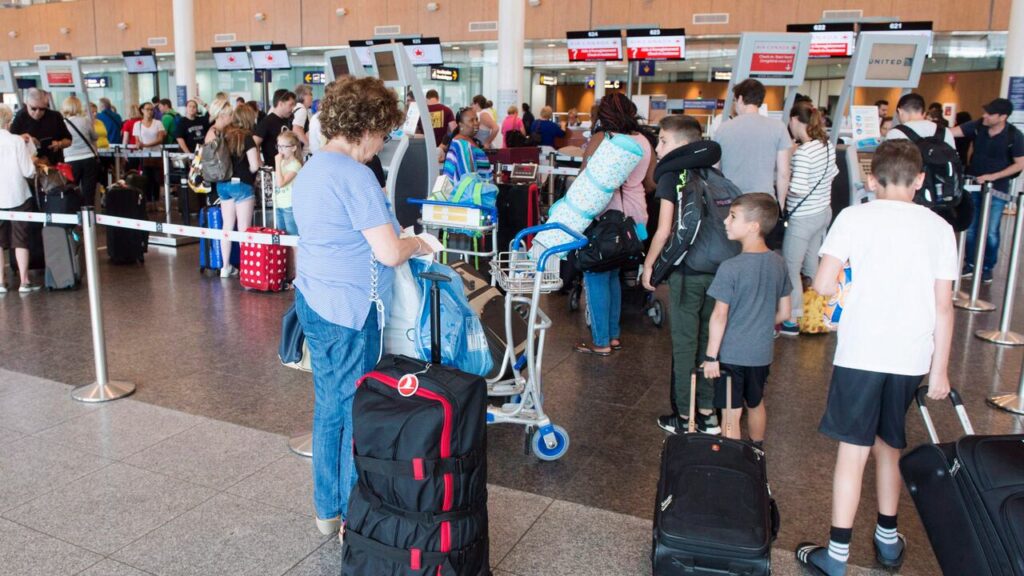
Under the new proclamation, countries facing partial restrictions, in addition to Nigeria, include Angola, Antigua and Barbuda, Benin, Dominica, Gabon, The Gambia, Ivory Coast, Malawi, Mauritania, Senegal, Tanzania, Tonga, Zambia and Zimbabwe. Some of these nations, such as Angola, Senegal and Zambia, were previously praised by former president Joe Biden as key US partners in Africa committed to democratic governance.
The White House justified the measures by citing alleged high crime rates and deficiencies in passport record-keeping in some of the affected countries. It also acknowledged “significant progress” by Turkmenistan, noting that citizens of the Central Asian country would once again be eligible for US visas, although limited to non-immigrant categories.
What you should know
President Donald Trump has expanded the US travel ban to cover more countries, citing national security and cultural stability.
The decision adds Syria, several African nations, and Palestinian Authority passport holders to the list of those restricted, while imposing partial limits on countries like Nigeria. The move follows recent security incidents and reflects Trump’s broader anti-immigration agenda, which has been marked by sharp rhetoric and stricter border policies.
The White House argues the measures are necessary to protect Americans, though critics see them as discriminatory and politically motivated.