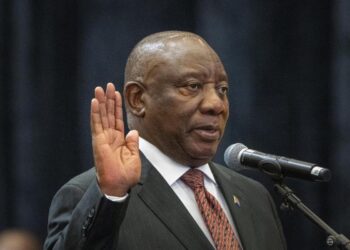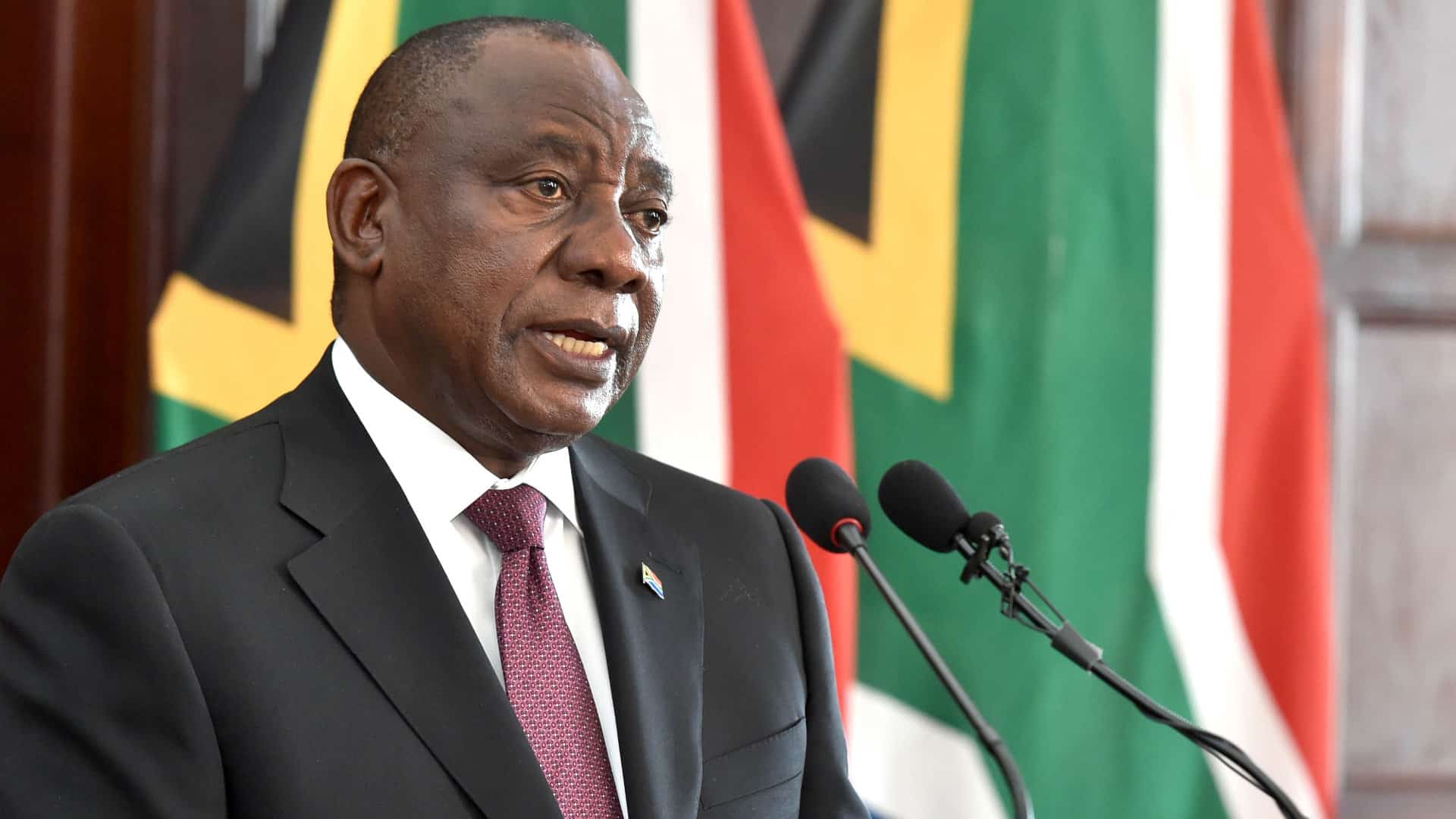
South African President Cyril Ramaphosa has condemned the United States for what he described as an attempt to spread “blatant misinformation” by alleging that his country is killing white citizens.
US President Donald Trump has continued to criticise South Africa since returning to office earlier this year, repeatedly referencing unfounded narratives of “white genocide” targeting Afrikaners, a minority group with European ancestry.
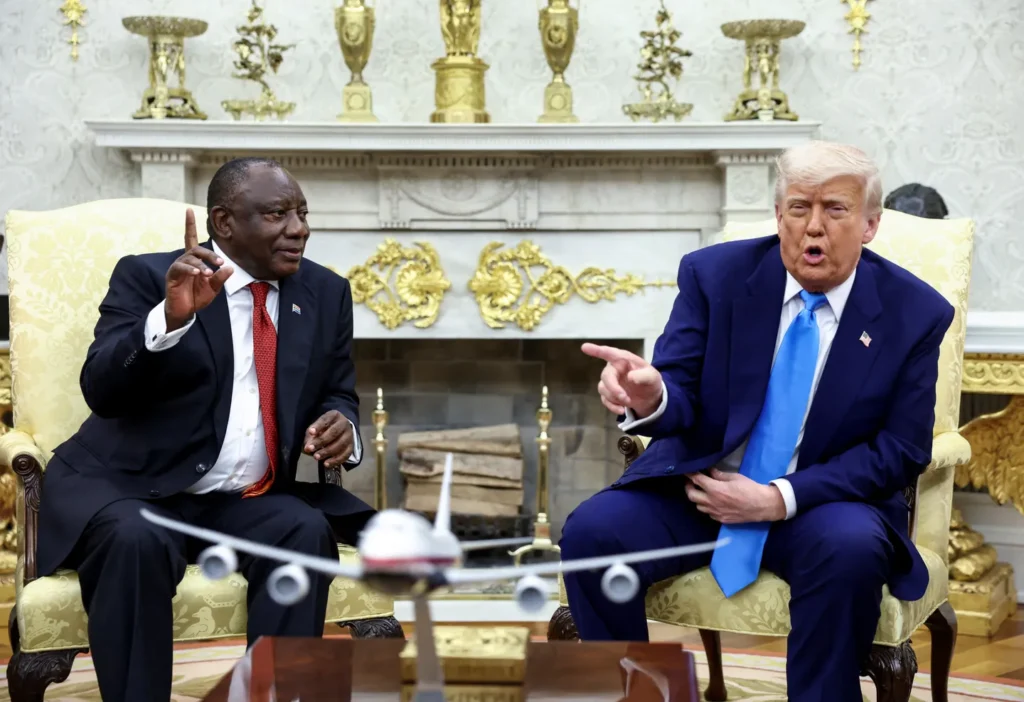
The US also refused to participate in last weekend’s G20 summit hosted in Johannesburg, and Trump later disclosed that he would exclude South Africa from the next meeting of major global economies, which he intends to hold at a family-owned golf resort in Miami.
Speaking in a televised address, Ramaphosa noted that the explanation given by the US for its “non-participation” was rooted in “baseless and false allegations that South Africa is perpetrating genocide against Afrikaners and the confiscation of land from white people”.
“This is blatant misinformation about our country,” he said during an SABC broadcast.
Ramaphosa stated that the US position was shaped by an organised spread of disinformation carried out by actors “within our country, in the US and elsewhere”.
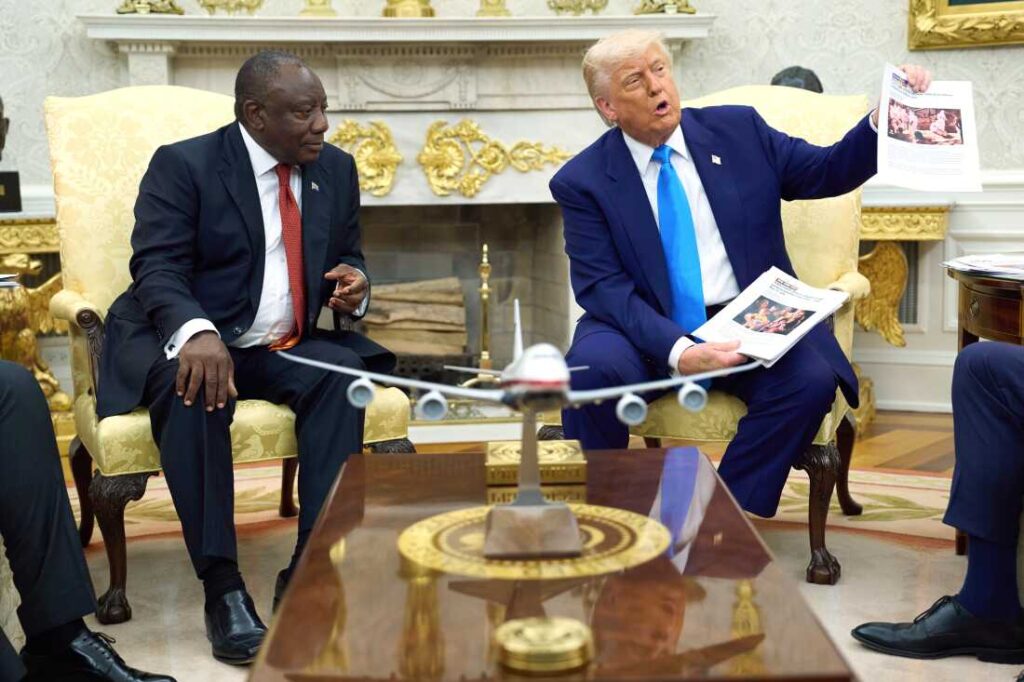
According to him, “These people who are spreading disinformation are endangering and undermining South Africa’s national interests, destroying South African jobs and weakening our country’s relations with one of our most important partners.”
Despite the tensions, Ramaphosa stressed that South Africa remains prepared “to continue to engage in dialogue with the United States government, and to do so with respect and with dignity as equal sovereign countries”.
What You Should Know
The disagreement between South Africa and the US stems from persistent misinformation campaigns alleging violence and land seizures targeting white citizens—claims South Africa dismisses as false.
The US, under President Trump, escalated tensions by skipping the G20 summit and withdrawing future invitations, citing these allegations.
South Africa maintains its willingness to engage diplomatically, insisting that misinformation is harming its economy and international partnerships.