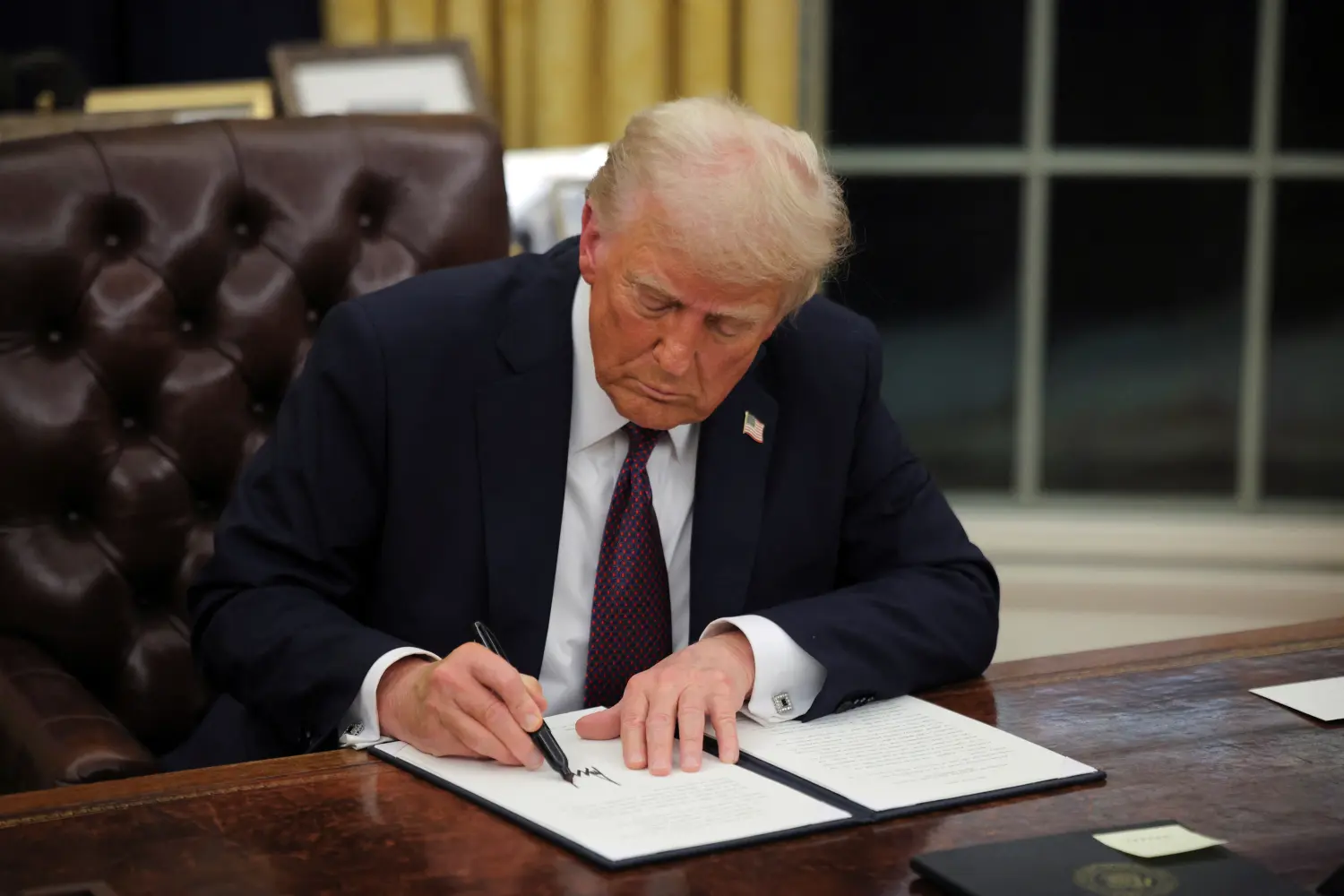
President Donald Trump has signed a bill officially ending the 43-day government shutdown, the longest in US history, a political standoff that left hundreds of thousands of federal employees unpaid and Washington deeply divided.
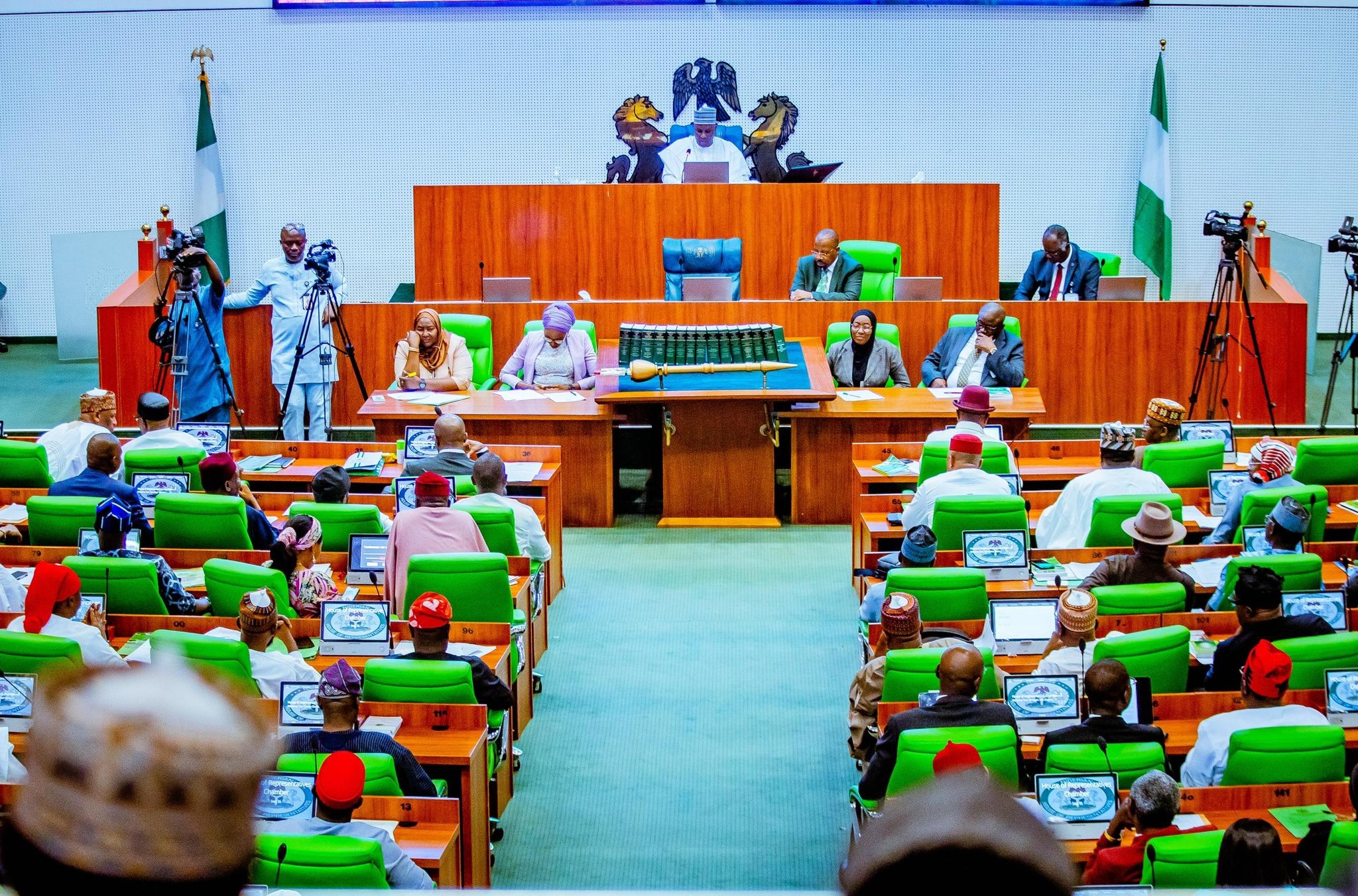
The Republican-controlled House of Representatives voted largely along party lines to approve a Senate-passed spending package that reopens federal departments and agencies. However, many Democrats expressed frustration, viewing the move as a retreat by their leadership after weeks of political brinkmanship.
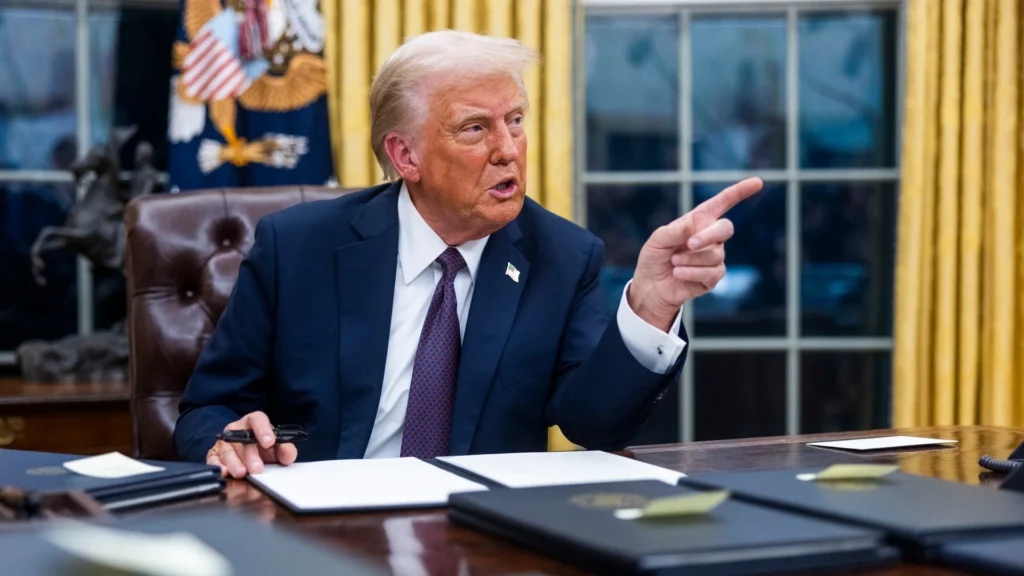
Trump, speaking from the Oval Office as he signed the bill, criticized Democrats and urged Americans to remember the ordeal when heading to the polls for the 2026 midterm elections.
“Today we are sending a clear message that we will never give in to extortion,” said Trump, surrounded by cheering Republican lawmakers, including House Speaker Mike Johnson.
Johnson had earlier condemned the Democrats during a fiery speech on the House floor. “They knew that it would cause pain, and they did it anyway,” he said. “The whole exercise was pointless. It was wrong and it was cruel.”
The funding bill allocates money for military construction, veterans’ affairs, the Department of Agriculture, and Congress through next fall, while the rest of the federal government will be funded until the end of January.

With the agreement in place, around 670,000 furloughed civil servants are expected to resume work, while another 670,000 essential workers—including air traffic controllers and airport security staff—will receive back pay. The deal also reinstates federal workers fired by Trump during the shutdown, while air travel disruptions across the country are expected to ease gradually.
Despite his criticism, Trump falsely claimed that Democrats had cost the country $1.5 trillion. The Congressional Budget Office (CBO), however, estimated the economic loss from the shutdown at around $14 billion in reduced growth.
Tight Margins and Political Fallout
Speaker Johnson and his fellow Republicans faced intense pressure during the voting process, given their slim two-vote majority in the House. Meanwhile, Democratic leaders, angry over what they saw as a Senate cave-in, urged their members to vote against the bill—and most complied.
Though public opinion polls had largely favored Democrats throughout the standoff, many analysts believe Republicans emerged stronger from its resolution.
For over five weeks, Democrats refused to reopen the government unless Trump extended pandemic-era health insurance tax credits, which had helped millions of Americans afford coverage. Recent Democratic election wins in several states had emboldened their stance, but a group of eight moderate senators eventually broke ranks to negotiate a compromise.
The resulting deal promised a Senate vote on health care subsidies but offered no assurances of House action, leaving progressives dissatisfied.
Now, Democrats face internal divisions as they grapple with the political cost of the shutdown’s end. House Minority Leader Hakeem Jeffries told MSNBC, “Over the last several weeks, we have elevated successfully the issue of the Republican health care crisis, and we’re not backing away from it.”
However, Senate Majority Leader Chuck Schumer is encountering backlash from progressives who accuse him of failing to keep his caucus united. Some House Democrats have even called for his resignation.
Outside Capitol Hill, leading Democratic figures—including California Governor Gavin Newsom, Illinois Governor JB Pritzker, and former Transportation Secretary Pete Buttigieg—voiced frustration over the deal. Newsom labeled it “pathetic,” Pritzker called it an “empty promise,” and Buttigieg dismissed it as a “bad deal.”
What You Should Know
The 43-day US government shutdown—the longest ever—ended with President Donald Trump signing a bipartisan bill to reopen federal agencies.
Although the move brought relief to over 1.3 million affected workers, it deepened divisions between Republicans and Democrats.
While Trump framed the resolution as a show of Republican strength, Democrats faced internal discord after moderates struck a deal with the GOP, weakening their negotiating position ahead of the 2026 midterm elections.