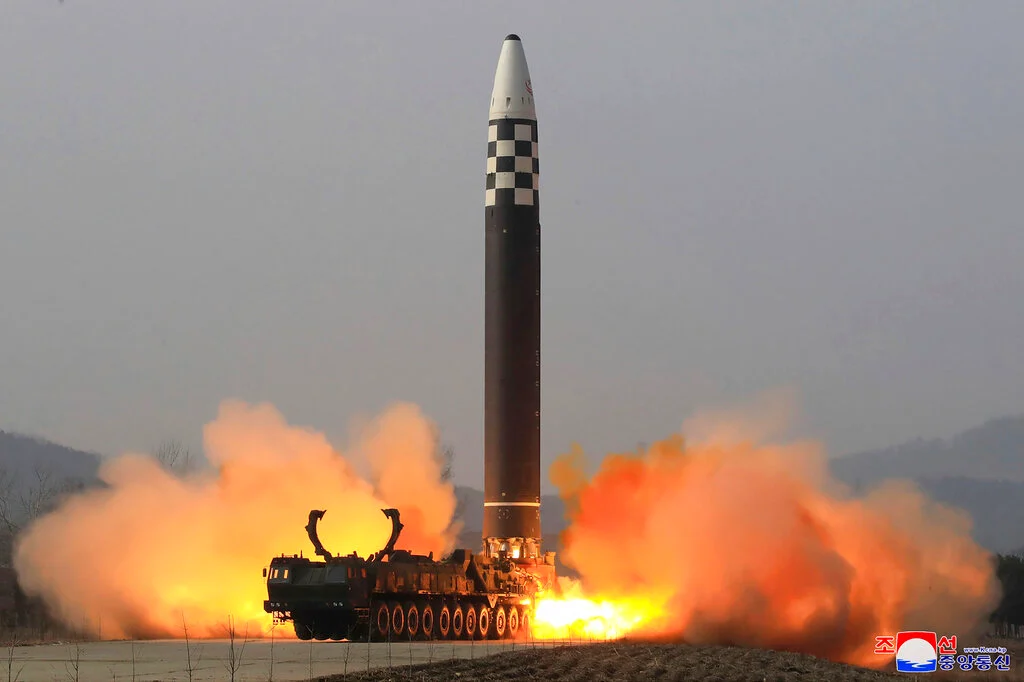
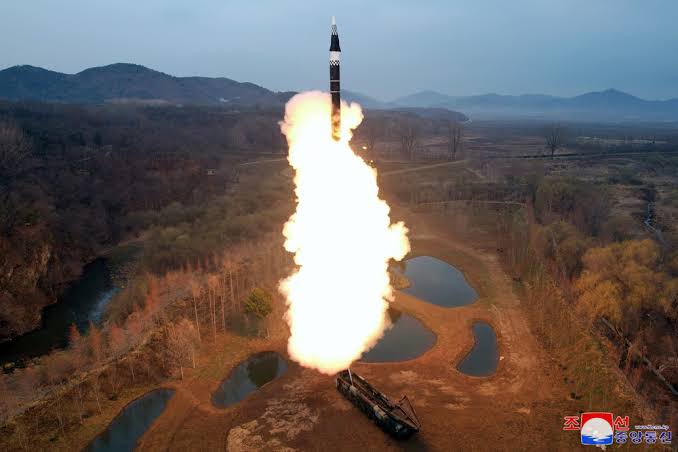
North Korea launched a ballistic missile on Friday, South Korea’s military confirmed, marking another show of defiance just a week after US President Donald Trump approved South Korea’s proposal to construct a nuclear-powered submarine.
Analysts had earlier predicted that Seoul’s move to build the advanced vessel would provoke an aggressive reaction from Pyongyang.
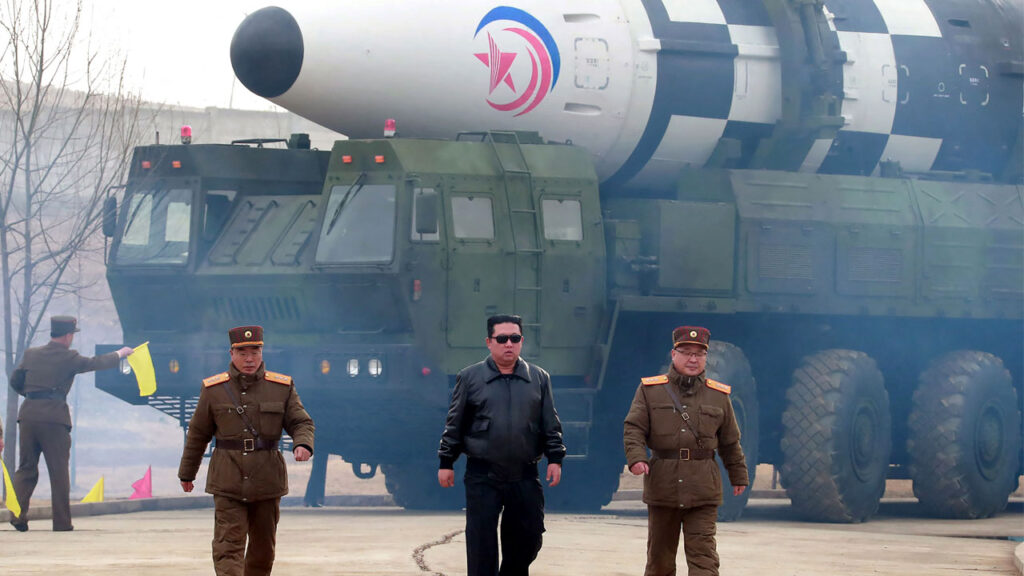
According to South Korea’s Joint Chiefs of Staff, the North fired an “unidentified ballistic missile” toward the East Sea, also known as the Sea of Japan. The missile flew approximately 700 kilometers (435 miles) before landing in waters outside Japan’s exclusive economic zone. Japanese Prime Minister Sanae Takaichi said no casualties or damage had been reported.
Despite widespread condemnation, the Kremlin defended North Korea’s action, arguing that Pyongyang had the “legitimate right” to ensure its national security. “We are respectful of the legitimate right of our friends in the DPRK (North Korea) to ensure their security and take measures for it,” Kremlin spokesman Dmitry Peskov told reporters.
Japan, one of Washington’s closest regional allies, strongly denounced the missile launch, calling it “absolutely unforgivable.” Defence Minister Shinjiro Koizumi stated that North Korea’s provocations underscored the need for Japan to “accelerate efforts to revamp our defence capabilities” and pledged to take “all necessary measures” to protect its people.
The missile was launched around 12:35 p.m. (0335 GMT) from an area north of Pyongyang. South Korea’s military described the test as part of a growing pattern of weapons demonstrations by North Korea aimed at refining its precision strike capabilities and showcasing military strength. Experts believe Pyongyang is also using these tests to bolster its position against the United States and South Korea while deepening its military cooperation with Russia.
“From North Korea’s perspective, the possibility of sudden attacks from the East Sea will be a source of anxiety,” said Ahn Chan-il, a defector-turned-researcher at the World Institute for North Korea Studies. He added that if South Korea were to acquire a nuclear-powered submarine, “they would be able to enter North Korean waters and preemptively monitor or intercept weapons such as submarine-launched ballistic missiles.”
President Trump had earlier revealed that South Korea would build its nuclear-powered submarine in the United States, though Seoul has stated it may construct the vessel domestically. Unlike conventional diesel-powered submarines that must frequently surface to recharge, nuclear-powered submarines can stay submerged for extended periods, offering a major strategic advantage.
Experts say the development of a nuclear-powered submarine would mark a major milestone for South Korea, placing it among a select group of nations — including the United States, Australia, China, Russia, India, France, and Britain — that operate such advanced military assets.
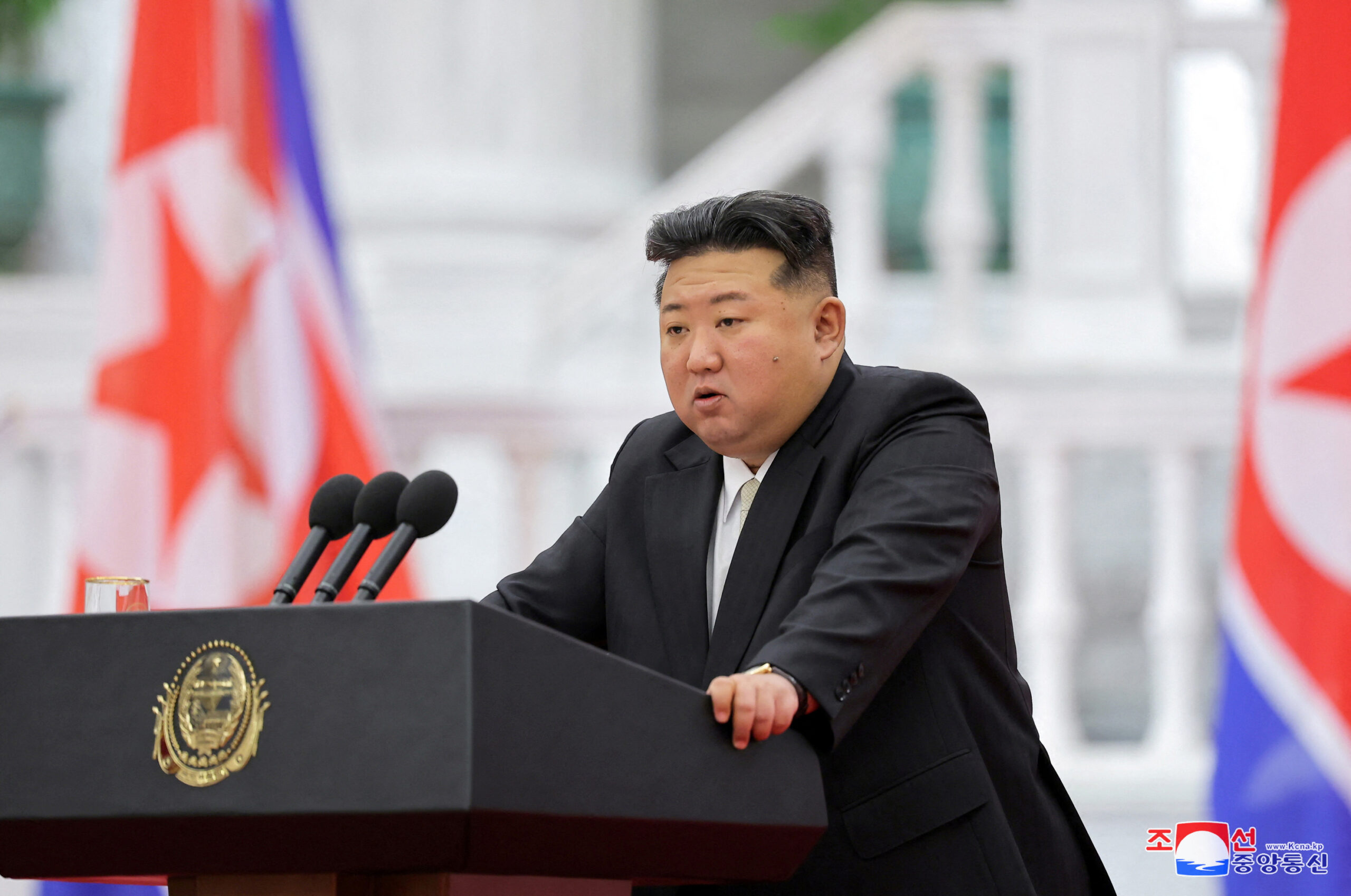
Since the collapse of North Korean leader Kim Jong Un’s 2019 summit with Trump, Pyongyang has repeatedly described itself as an “irreversible” nuclear state. Kim has strengthened ties with Moscow amid the ongoing war in Ukraine, sending troops to support Russian forces and deepening military cooperation.
While Trump recently offered to meet Kim once more, North Korea has remained unresponsive. Instead, Foreign Minister Choe Son Hui traveled to Moscow to meet Russian President Vladimir Putin, with both sides pledging to expand their partnership.
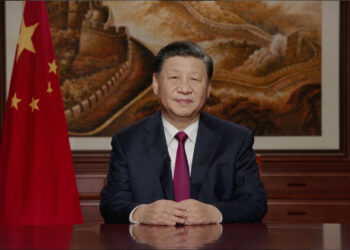
In September, Kim appeared alongside Putin and Chinese President Xi Jinping at a grand military parade in Beijing, highlighting his growing prominence in global geopolitics. Despite previous personal rapport — with Trump once saying he and Kim had “fallen in love” — the two leaders have yet to achieve a lasting accord on denuclearization.
South Korean lawmaker Lee Seong-kweun disclosed that Seoul’s intelligence agency believes Kim remains open to dialogue with Washington, though he would only do so under “favorable conditions.” According to Lee, several indications suggest Pyongyang has been quietly preparing for renewed talks with the US.
What you should know
North Korea’s latest missile launch comes amid renewed tensions following Trump’s approval of South Korea’s nuclear submarine program.
The test underscores Pyongyang’s continued defiance of international pressure and its deepening alignment with Russia and China.
Analysts say the move reflects both a strategic response to Seoul’s military ambitions and Kim Jong Un’s desire to maintain global leverage through nuclear capability.