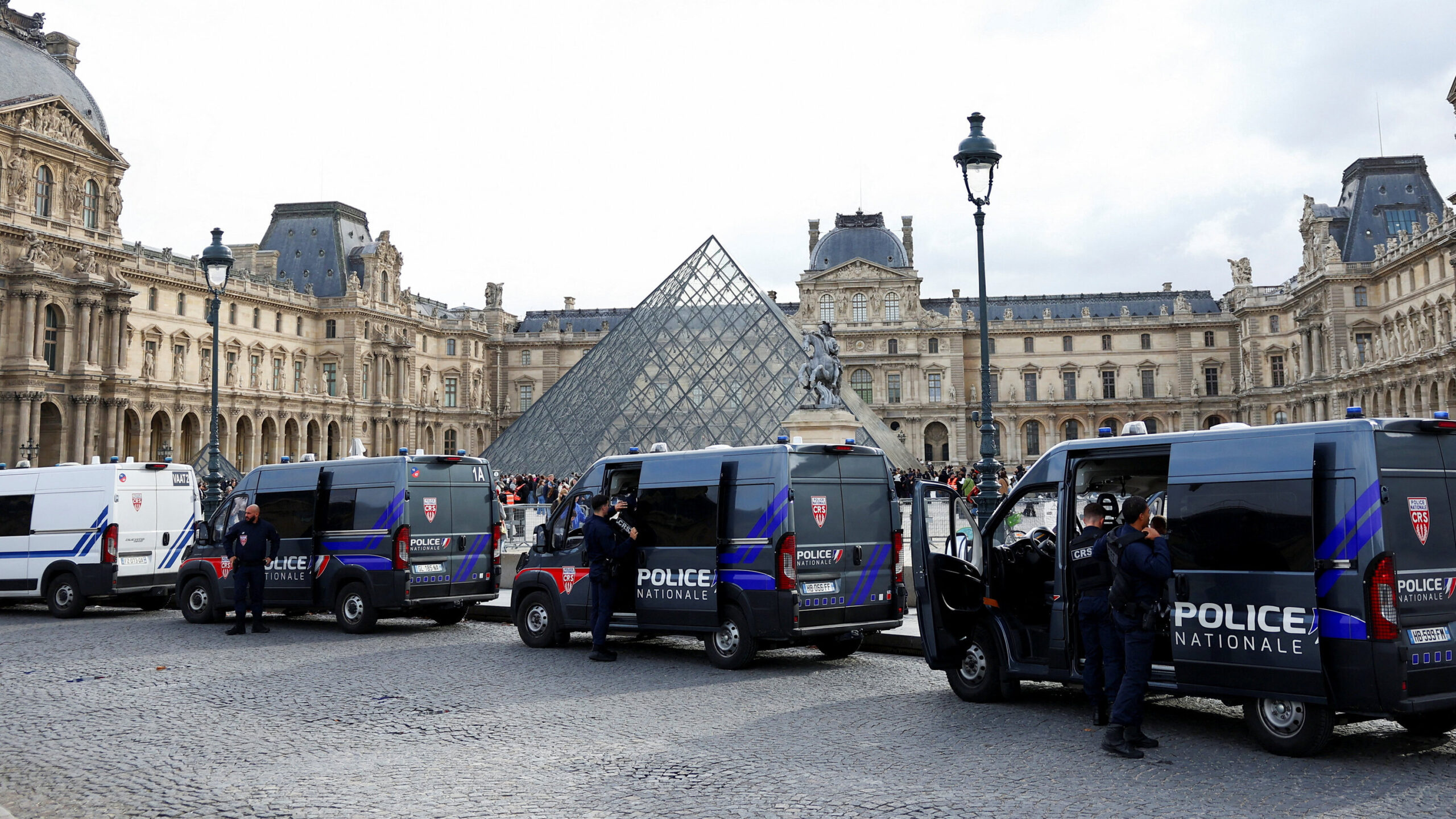
French police have arrested five additional suspects, including the alleged mastermind, in connection with the $102 million jewellery robbery at the Louvre Museum earlier this month, the Paris prosecutor’s office announced on Thursday.
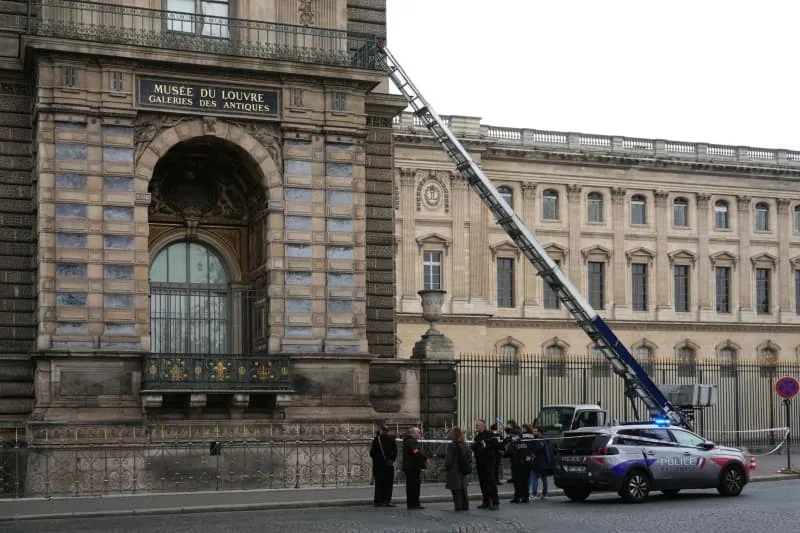
Authorities have been on an intensive manhunt for four thieves who, on October 19, executed a bold daylight heist using a truck equipped with a moving lift and cutting tools to gain access to a first-floor gallery before escaping with priceless jewellery.
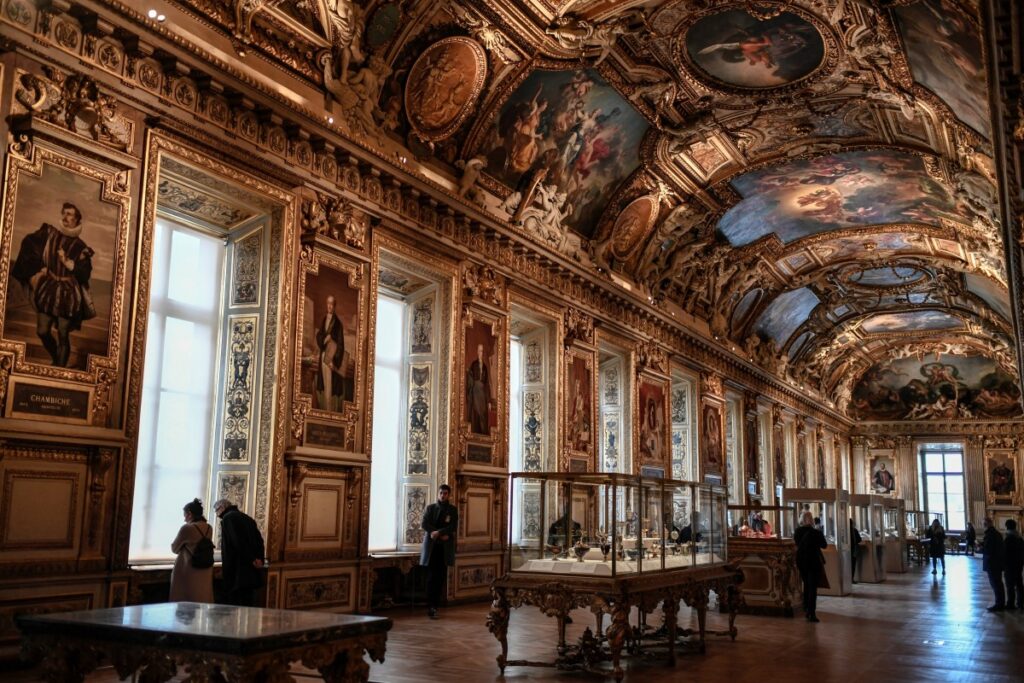
The recent arrests followed the earlier detention of two men charged on Wednesday with theft and criminal conspiracy. Investigators believe these two suspects were among those who physically entered the gallery, while two others waited outside as lookouts.
Paris prosecutor Laure Beccuau revealed that one of the five newly detained suspects is considered the main culprit, identified through DNA evidence linking him directly to the seven-minute operation.
“We had him in our sights,” Beccuau stated, noting that the other individuals held in custody “may be able to provide us with information about the course of events.” She added that it was “too early” to disclose further details about the suspects.
The arrests were carried out in and around Paris, particularly in the Seine-Saint-Denis area, a suburb known for its dense population and proximity to the city.
Earlier in the week, two other suspects—a 34-year-old Algerian living in France and a 39-year-old unlicensed taxi driver from Aubervilliers — were charged and placed in pre-trial detention after partially admitting to the charges.
The Algerian suspect was caught while attempting to board a flight to Algeria at Charles de Gaulle Airport, while the second was arrested near his residence. Authorities confirmed there was no indication that he planned to flee the country.
Both suspects have prior records for theft-related offences. DNA traces found on one of the scooters used in the escape helped identify the Algerian man.
Expanding Investigation
Prosecutor Beccuau disclosed last week that detectives were analysing 150 DNA samples, fingerprints, and other traces to piece together the events of the heist. Surveillance footage from public and private cameras has enabled investigators to trace the robbers’ movements in Paris and nearby districts.
While four individuals are confirmed to have participated in the robbery, Beccuau said investigators have not ruled out the possibility of a larger criminal network, possibly involving financiers or intended buyers of the stolen items.
However, she clarified that there was no evidence of insider involvement from within the museum.
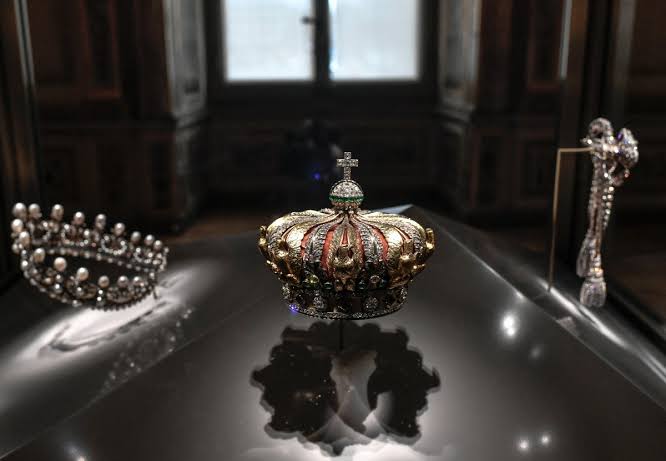
During their escape, the robbers dropped a diamond and emerald-studded crown that once belonged to Empress Eugénie, wife of Napoleon III. The Louvre’s director later confirmed that while the crown was damaged when removed from its display, it is believed to be restorable.
The thieves managed to flee with eight other valuable pieces of jewellery, including an emerald-and-diamond necklace given by Napoleon I to Empress Marie-Louise, and a diamond-studded diadem owned by Empress Eugénie, containing nearly 2,000 diamonds.
What You Should Know
The Louvre Museum robbery, valued at over $100 million, is one of the most daring art heists in recent French history.
Despite several arrests and DNA evidence linking suspects to the crime, none of the stolen jewels have been recovered, fuelling speculation that an international smuggling network may be involved.