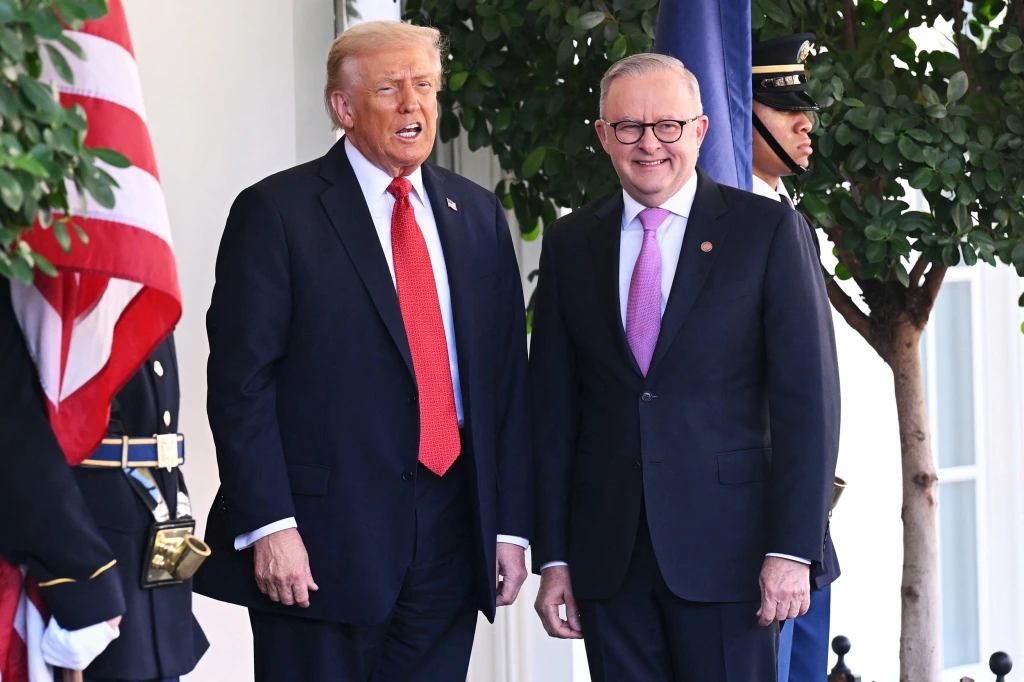
US President Donald Trump has confirmed that Australia will receive nuclear-powered attack submarines under the AUKUS security pact, reaffirming Washington’s commitment to its key Pacific ally.
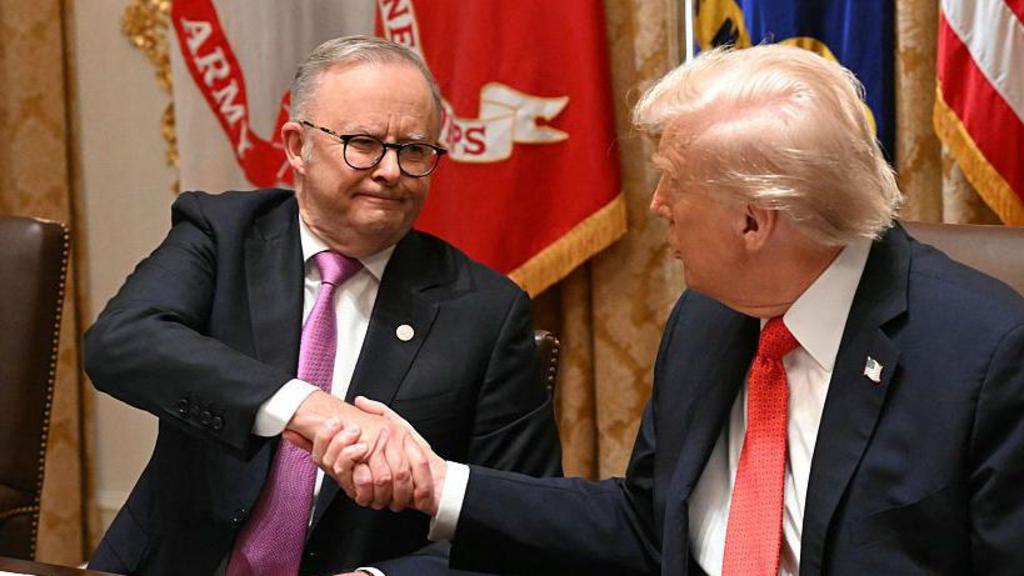
The announcement came as Trump hosted Australian Prime Minister Anthony Albanese at the White House, where both leaders also signed a landmark agreement on critical minerals and rare earth elements.
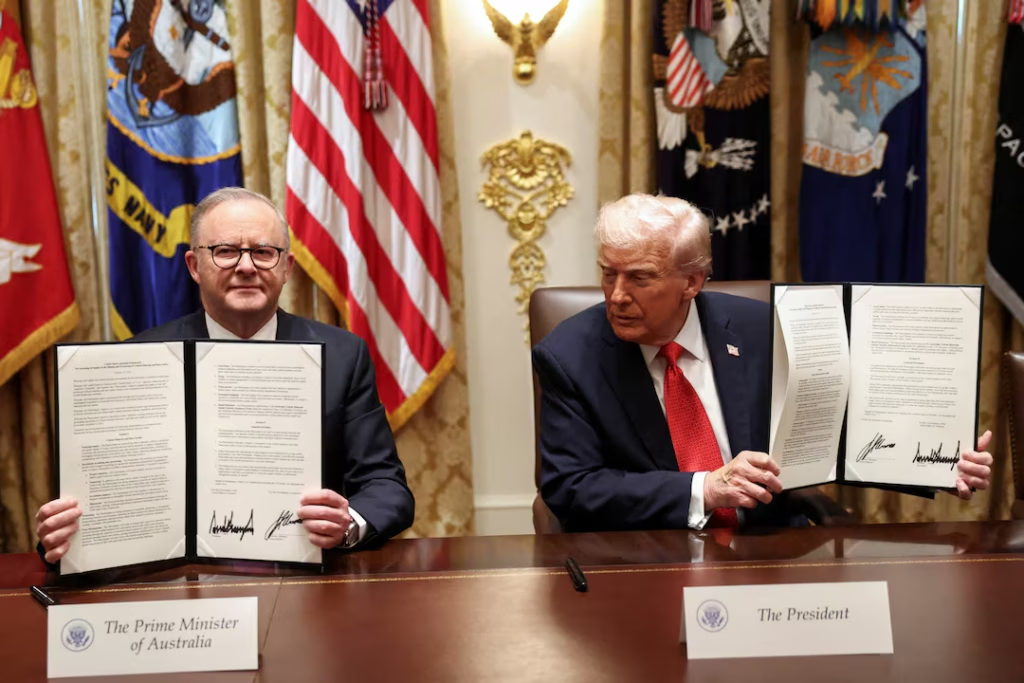
“The submarines that we’re starting to build for Australia are really moving along,” Trump said during a joint appearance with Albanese. “We’ve worked on this long and hard, and we’re starting that process right now. And it’s really moving along very rapidly, very well.”
The confirmation follows months of uncertainty after Trump’s administration placed the submarine deal—originally signed under former President Joe Biden—under review earlier this year to ensure alignment with Trump’s “America First” policy.
Australia has touted its vast reserves of lithium, cobalt, manganese, and rare earths as vital to reducing China’s dominance over global supply chains. The new agreement on critical minerals is expected to deepen cooperation between Washington and Canberra on securing materials essential to renewable energy, defense, and semiconductor manufacturing.
During the meeting, Albanese emphasized that Australia’s mineral wealth presents an opportunity to bolster Western resilience in strategic industries. “This partnership underscores how Australia can play a pivotal role in supporting our allies and diversifying global supply,” he said.
The talks were not without tension, as Trump exchanged a blunt remark with Australia’s ambassador to Washington, former Prime Minister Kevin Rudd. When asked by a reporter about Rudd’s previous critical social media posts, Trump responded, “I don’t like you either. I don’t. And I probably never will.”
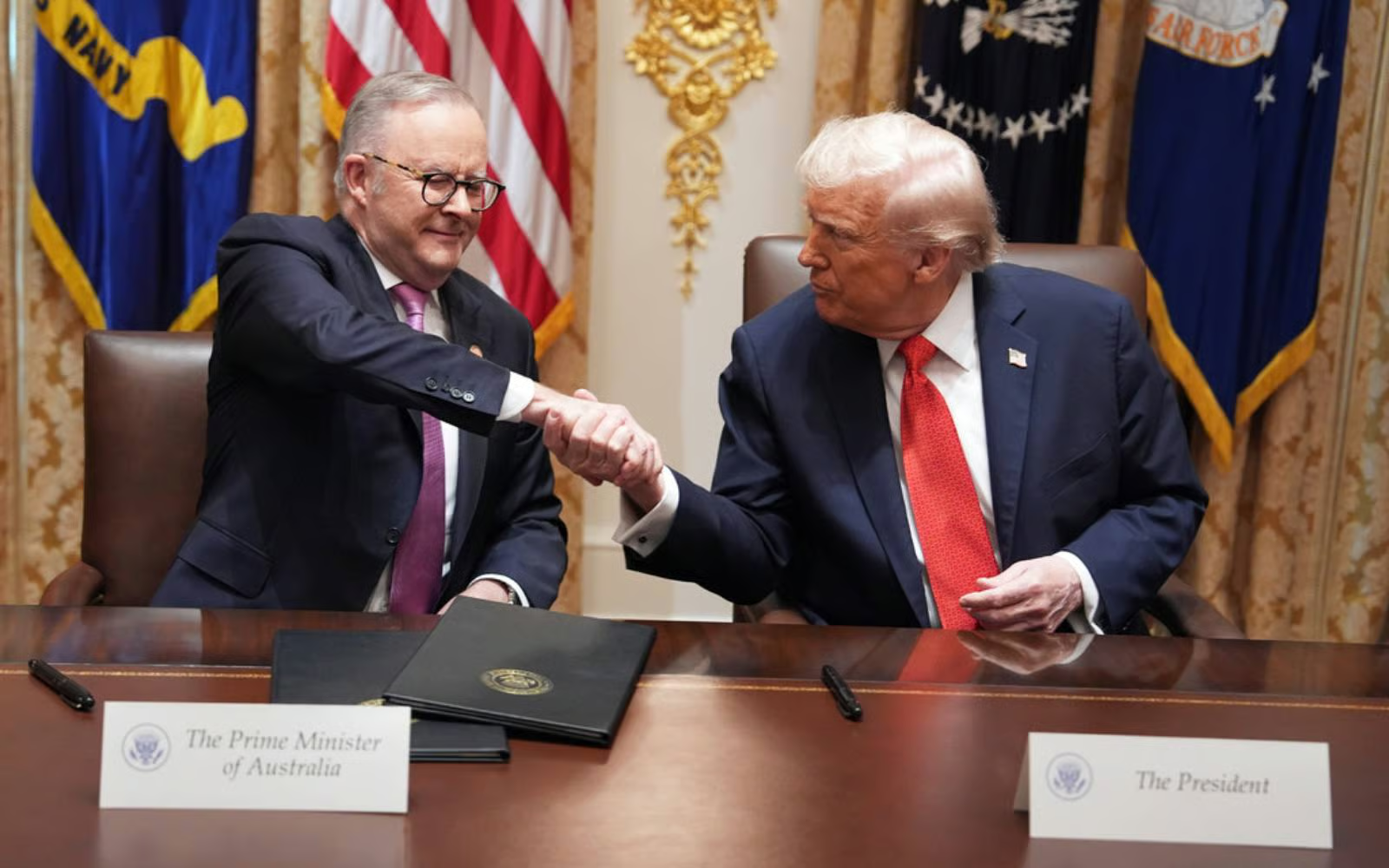
Despite mixed public sentiment toward the Trump administration in Australia, the country remains heavily reliant on the United States to counterbalance China’s expanding influence in the Indo-Pacific region.
Canberra hopes to secure delivery of at least three Virginia-class submarines within the next 15 years under the AUKUS pact, which also involves the United Kingdom. The program, projected to cost up to US$235 billion over three decades, forms the core of Australia’s long-term defense strategy.
The AUKUS deal previously caused diplomatic strain between Australia and France after Canberra abandoned a multibillion-dollar contract for diesel-powered submarines in favor of the US-UK arrangement.
Trump’s renewed backing of the project signals continued American commitment to maintaining a strong deterrent presence in the Pacific, even as Washington reviews its military production capacity amid concerns about meeting both domestic and allied demands.
On the economic front, Trump’s administration has taken an increasingly assertive stance toward Beijing. Earlier this month, the president threatened 100-percent tariffs on Chinese goods following new restrictions on rare earth exports. However, on Monday, Trump struck a more conciliatory tone, saying he expected “a good trade deal” after his upcoming talks with Chinese President Xi Jinping in South Korea.
Albanese, for his part, reiterated that the rare earths partnership represents not just a commercial collaboration but a strategic step toward ensuring that critical supply chains remain open and resilient.
What You Should Know
The reaffirmation of the AUKUS submarine deal and the signing of the rare earths agreement mark a major step in US-Australia defense and economic cooperation.
The initiatives aim to strengthen Australia’s military capabilities and reduce global dependence on China for essential minerals—a move that could reshape strategic alliances across the Indo-Pacific.