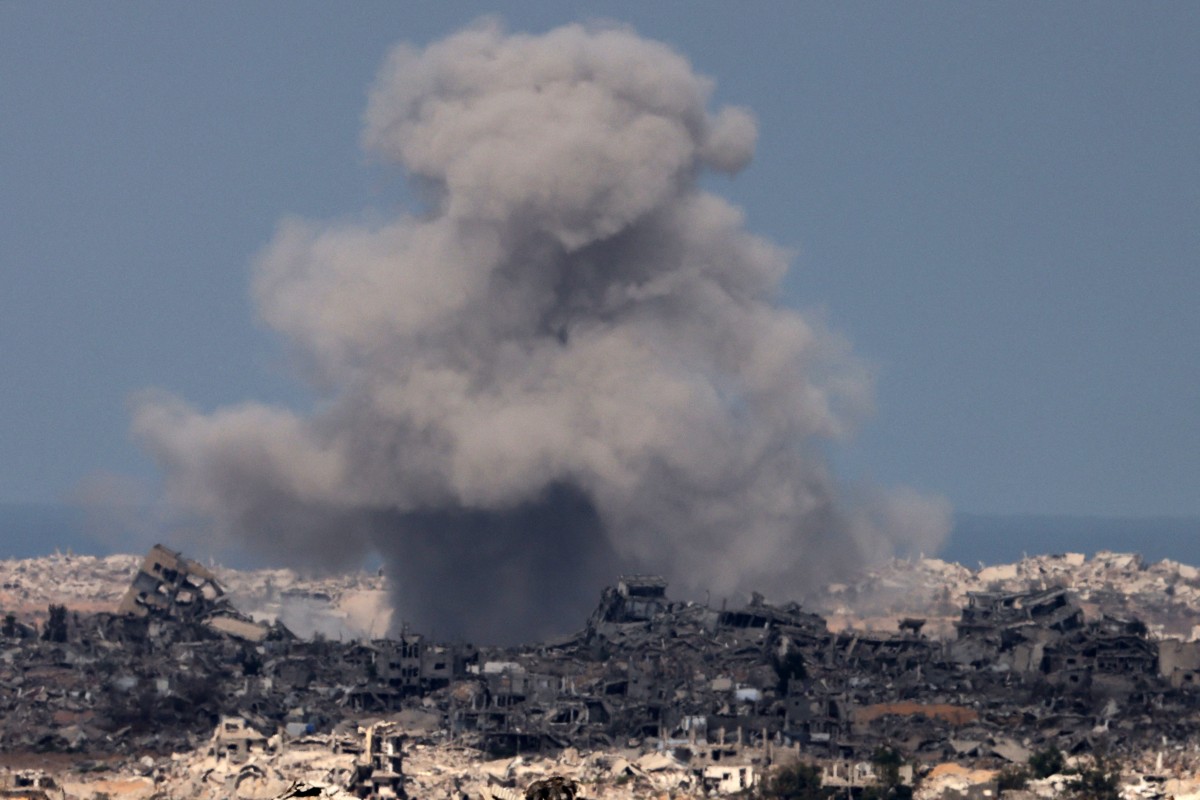
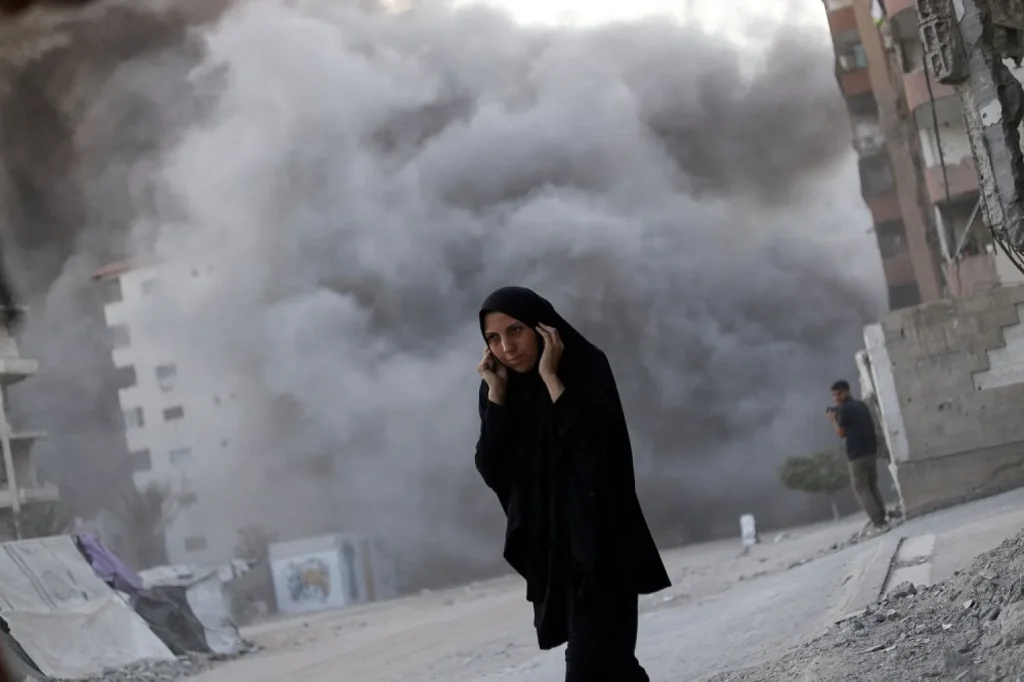
Israel carried out a series of deadly airstrikes in Gaza on Sunday, targeting Hamas positions after accusing the group of attacking its soldiers, marking the most intense violence since the ceasefire began nine days ago.
According to Gaza’s civil defence agency, which operates under Hamas’s authority, at least 33 people were killed across the enclave. The Israeli military said it was “reviewing reports” of casualties.
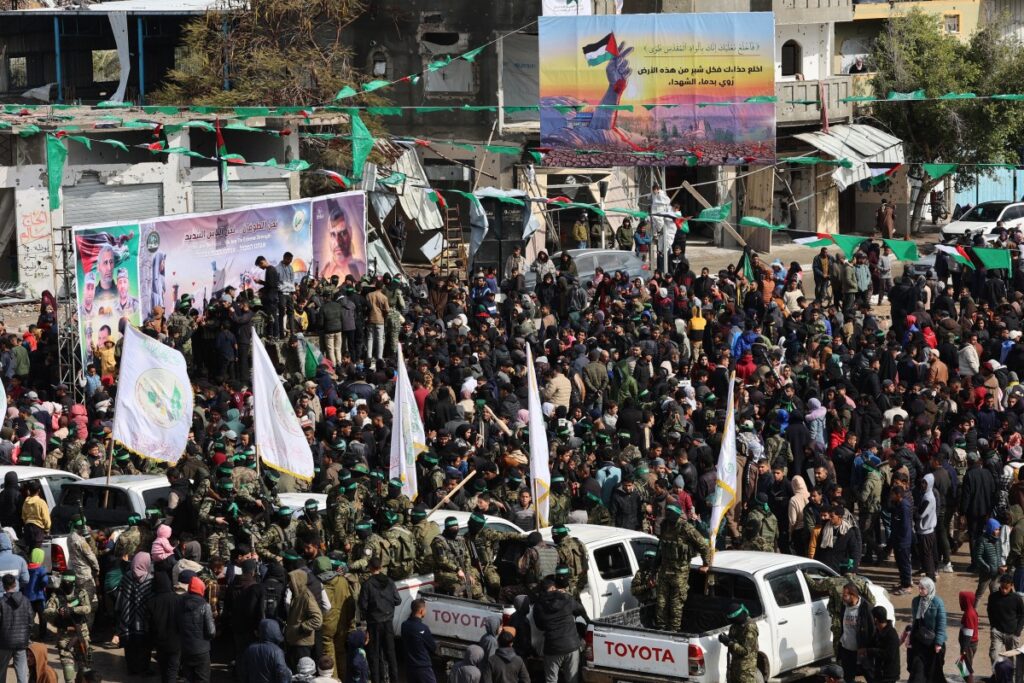
Later that evening, the Israeli military confirmed in a statement that, “In response to the blatant violation of the ceasefire agreement earlier today, the IDF has begun a series of strikes against Hamas terror targets in the southern Gaza Strip.”
Hamas denied the accusations, with one senior official claiming Israel was fabricating “pretexts” to justify the resumption of hostilities.
In a separate statement, the Israeli military reported that two of its soldiers “fell during combat in the southern Gaza Strip.”
A security source told AFP that Israel had suspended the entry of humanitarian aid into Gaza, citing “Hamas’s blatant violations” of the truce.
Israel has repeatedly cut off aid during the conflict, worsening an already dire humanitarian situation. The United Nations has previously warned that such restrictions contributed to famine conditions in northern Gaza.
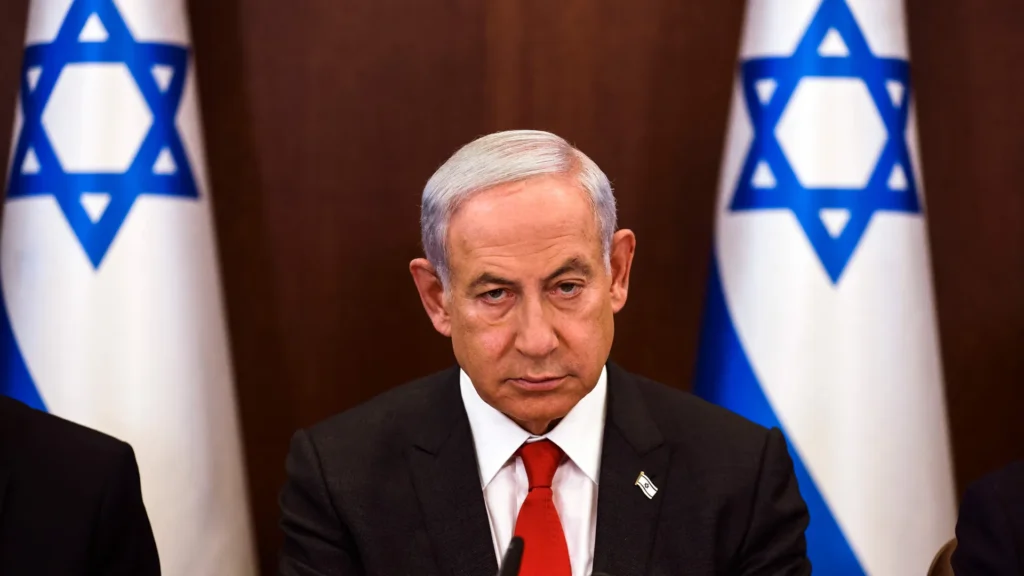
Earlier on Sunday, Prime Minister Benjamin Netanyahu directed the Israeli security forces to take “strong action against terrorist targets in the Gaza Strip,” accusing Hamas of a “ceasefire violation.”
Defence Minister Israel Katz further warned that Hamas would “pay a heavy price for every shot and every breach of the ceasefire,” promising that Israel’s response would “become increasingly severe.”
‘Blood has returned again’
The ceasefire deal, brokered by US President Donald Trump and implemented on October 10, halted over two years of devastating war between Israel and Hamas. The agreement outlined an exchange of hostages and prisoners and proposed a broader framework for Gaza’s long-term stability.
However, tensions quickly resurfaced. “Earlier today, terrorists fired anti-tank missiles and opened fire on IDF forces in Rafah,” the Israeli military stated. “The IDF responded with air strikes by fighter jets and artillery fire, targeting the Rafah area.”
Eyewitnesses confirmed heavy fighting in Rafah, a southern Gaza city still under partial Israeli control. One 38-year-old resident, who declined to give his name, said Hamas fighters were initially battling a local gang known as Abu Shabab but were “surprised by the presence of army tanks.”
“The air force conducted two strikes from the air,” he said.
In Al-Bureij camp, where strikes also took place, Abdullah Abu Hasanin, 29, described the scene: “The situation is as if the war has returned anew. We had hoped the agreement would hold, but the occupation respects nothing — not an agreement not anything.”
He said he had rushed to help the wounded, adding, “The scene is indescribable. Blood has returned again.”
‘Security illusion’
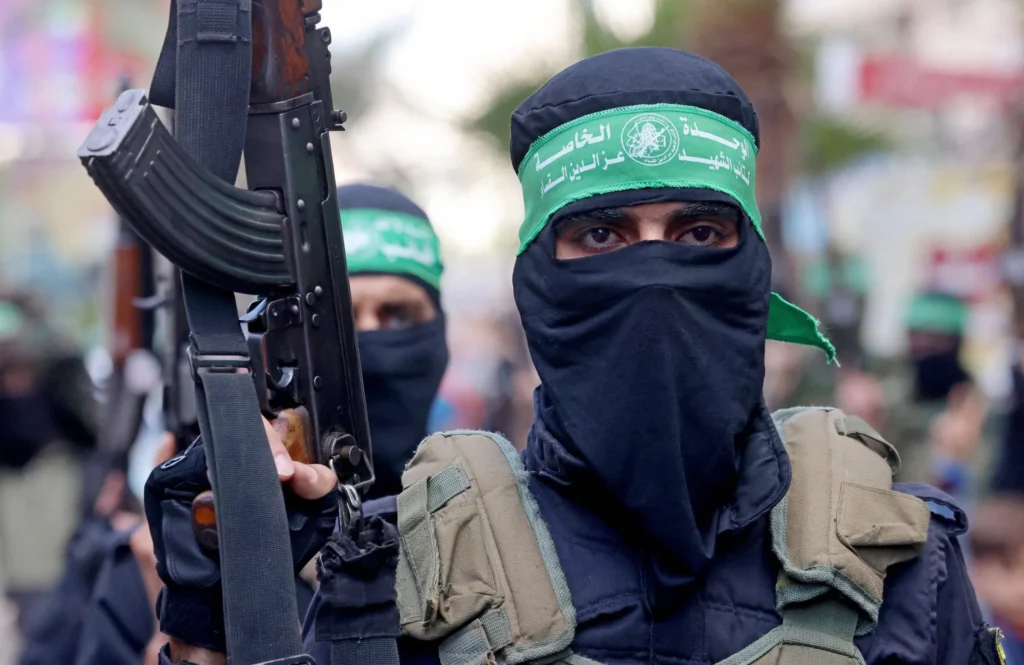
Hamas’s political bureau member Izzat Al-Rishq reiterated the group’s commitment to the ceasefire, accusing Israel of “fabricating flimsy pretexts to justify its crimes.”
The group’s military wing also maintained that it was adhering to the agreement and had “no knowledge” of any direct clashes in Rafah.
Under Trump’s 20-point peace roadmap, Israeli forces withdrew beyond the so-called Yellow Line, retaining control over roughly half of Gaza, including its borders but excluding major urban centers.
In line with the deal, Hamas released 20 surviving hostages and continues efforts to return the bodies of others who have died.
The war, which began with Hamas’s October 7, 2023 assault on Israel, has claimed at least 68,159 lives in Gaza, according to the Hamas-run health ministry — figures the UN deems credible. While the statistics do not differentiate between civilians and fighters, more than half of those killed were women and children.
The 2023 Hamas attack on Israel killed 1,221 people, mostly civilians, according to an AFP tally based on official Israeli data.

Bodies returned
Israel on Sunday identified two bodies returned overnight — photojournalist and volunteer medic Ronen Engel, and Thai agricultural worker Sonthaya Oakkharasri.
Gaza’s health ministry confirmed that Israel also handed over 15 Palestinian bodies, bringing the total number of repatriated corpses to 150.
The issue of hostages’ bodies has emerged as one of the main sticking points in implementing the ceasefire. On Saturday, Israel linked the reopening of the Rafah border crossing to the recovery of all Israeli remains still in Gaza.
Hamas has said it requires additional time and technical assistance to retrieve the remaining bodies trapped beneath the rubble across the devastated enclave.
What You Should Know
The renewed hostilities between Israel and Hamas have shattered the fragile ceasefire that began just nine days ago.
Despite U.S. mediation efforts led by President Donald Trump, both sides are trading blame over violations. Israel has resumed airstrikes, suspended aid, and vowed escalating retaliation, while Hamas insists it remains committed to the truce.
With over 68,000 Palestinians and more than 1,200 Israelis dead since the conflict began, this latest flare-up threatens to undo the most significant peace effort in years.