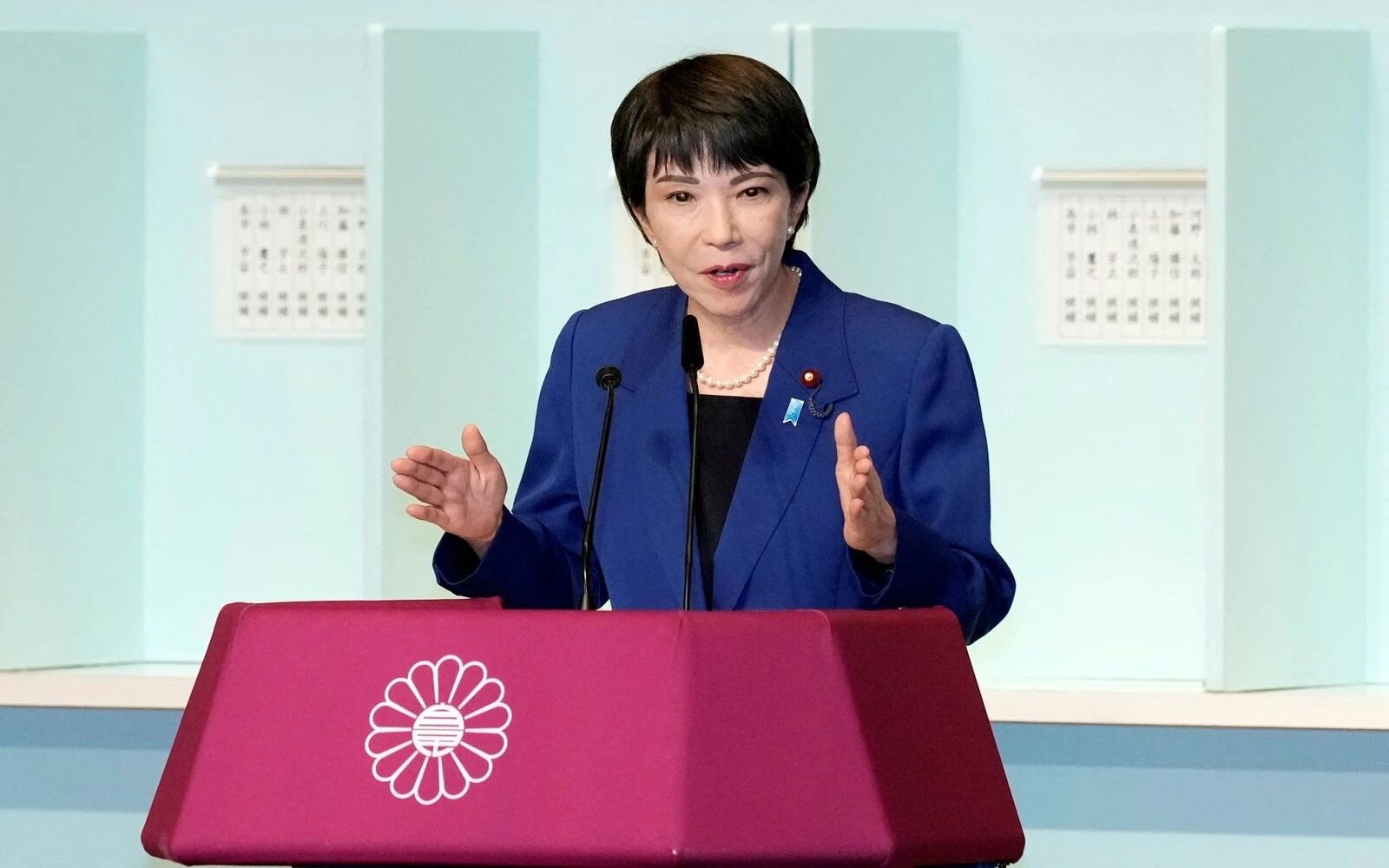
Sanae Takaichi, the only woman in the race to lead Japan’s ruling Liberal Democratic Party (LDP), pledged on Monday to form a cabinet with a gender balance comparable to Nordic countries if she becomes prime minister.
Takaichi, 64, would be Japan’s first female leader if she wins the October 4 contest and secures parliamentary support.
Launching her campaign alongside four other contenders, Takaichi, often regarded as a staunch conservative, said her appointments would surprise the public. “Our cabinet and (LDP) executive committee will include women to the extent that they will be comparable to those of Nordic countries,” she declared.
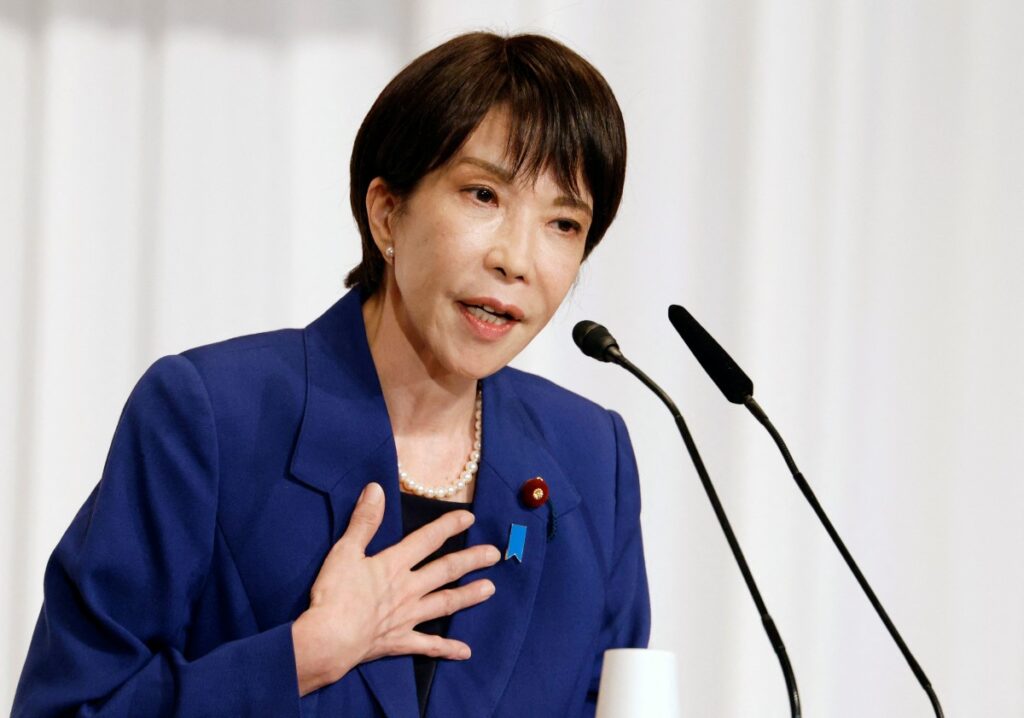
Currently, women hold only two of the 20 cabinet positions under outgoing Prime Minister Shigeru Ishiba, who recently announced his resignation. Japan ranks 118th out of 148 in the 2025 Global Gender Gap Report, while Iceland, Finland, and Norway top the list. Women also make up just 15 percent of the lower house.
On immigration, Takaichi said she would review current policies to ensure “peaceful coexistence” between Japanese citizens and foreigners, warning that rushed immigration could fuel hostility. Her remarks come amid growing traction for anti-immigration parties, such as Sanseito, which expanded its upper house seats from two to 15 in July.
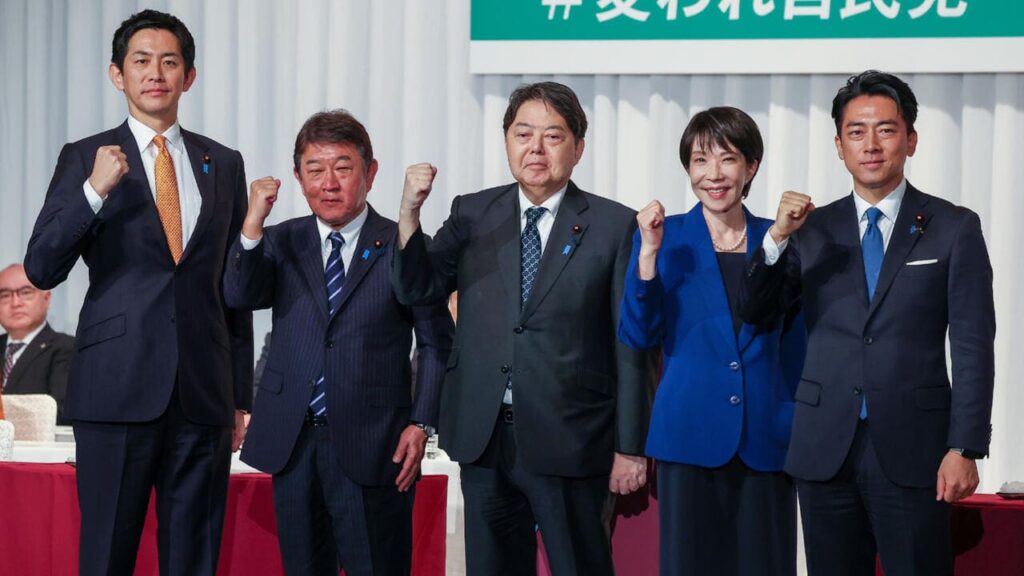
Other frontrunners in the race include Shinjiro Koizumi, 44, who promised to address rising living costs with an “economic package,” and Toshimitsu Motegi, 69, who vowed a younger, more inclusive cabinet with 30 percent female representation. Yoshimasa Hayashi and Takayuki Kobayashi are also in the contest.
The winner will become Japan’s fifth prime minister in as many years, as the LDP struggles to regain support among younger voters after losing its coalition majority in both houses.
What you should know
Sanae Takaichi’s candidacy marks a historic moment for Japan, where women remain underrepresented in politics and corporate leadership.
Her vow to model gender representation after Nordic nations could reshape Japan’s political landscape if fulfilled. The leadership contest reflects both the LDP’s internal renewal struggle and the broader pressures facing Japan’s democracy.