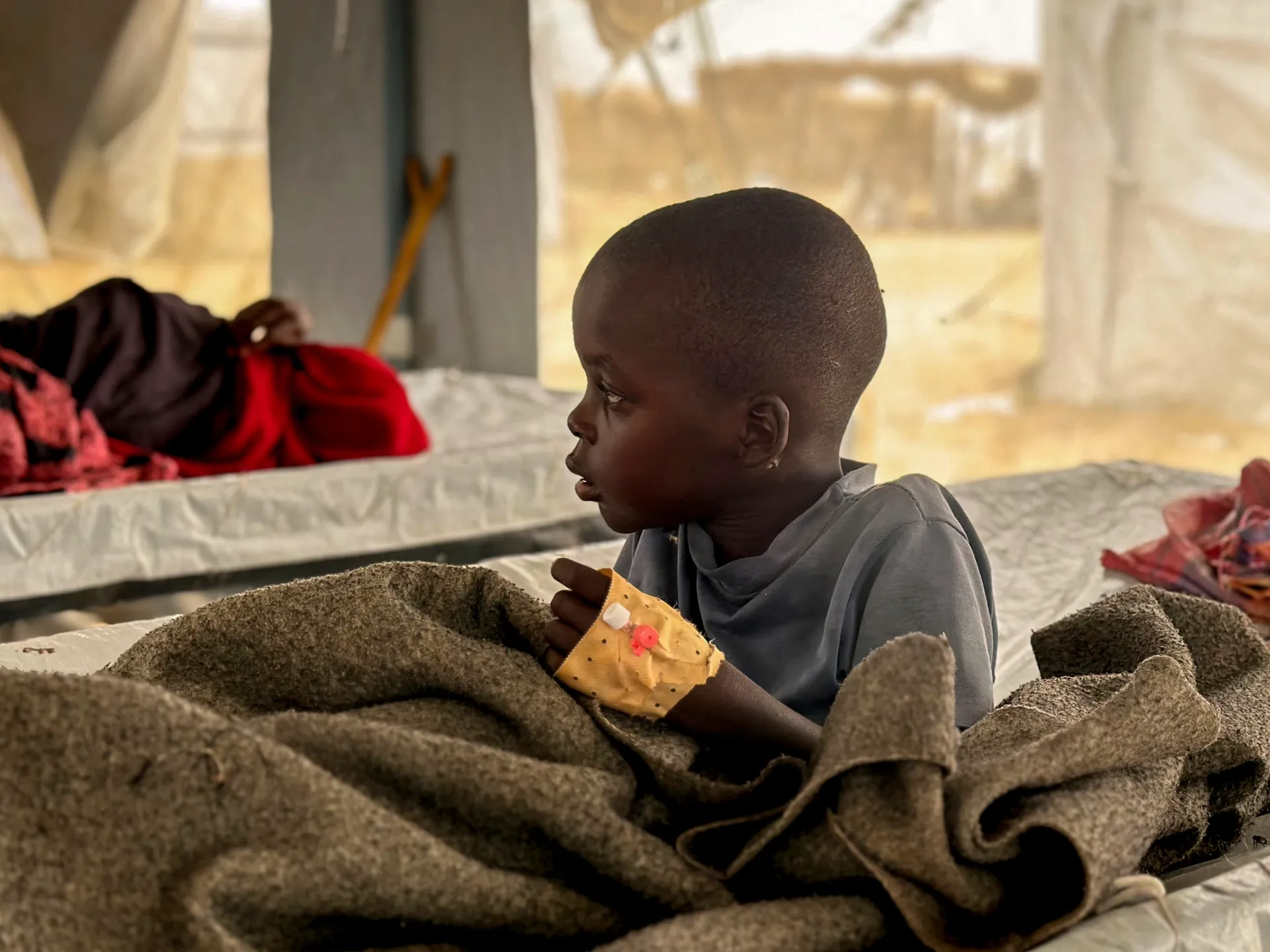
Sudan’s Darfur region is grappling with a devastating cholera outbreak that has claimed at least 40 lives in the past week alone, according to Doctors Without Borders (MSF).
The crisis unfolds against the backdrop of ongoing conflict, leaving displaced communities with little access to clean water, sanitation, or medical care.
At a cholera isolation tent in a Sudanese displacement camp, an AFP journalist reported scenes of women and children receiving intravenous fluids while weakened patients lay sprawled on camp beds. The European Union (EU), citing the rapid spread of the disease and its impact on malnutrition, urged all warring parties to “urgently” allow international humanitarian assistance into the country.
MSF described Darfur—the epicentre of more than two years of brutal fighting between Sudan’s army and the paramilitary Rapid Support Forces (RSF)—as the hardest-hit area in the outbreak. “On top of an all-out war, people in Sudan are now experiencing the worst cholera outbreak the country has seen in years,” the organisation said. Over the past week, its teams treated more than 2,300 patients in the region and recorded 40 deaths.
Since the outbreak began a year ago, Sudan has seen 99,700 suspected cholera cases and 2,470 related deaths. Cholera, an acute intestinal infection caused by contaminated food or water, can kill within hours without treatment, though it is easily addressed with oral rehydration and, in severe cases, antibiotics.
The war has displaced millions, severely restricting access to clean water and basic hygiene. MSF warned that such conditions have allowed the disease to spread unchecked. In Tawila, North Darfur—where 380,000 people have fled fighting near El-Fasher—residents survive on an average of just three litres of water per day, far below the emergency minimum of 7.5 litres recommended for survival needs.
In the makeshift camps, sanitation is almost nonexistent. “We mix lemon in the water when we have it and drink it as medicine,” said Mona Ibrahim, who has lived in a camp for two months. “We don’t have toilets—the children relieve themselves in the open.”
According to the World Health Organization, Sudan has recorded the world’s highest cholera death toll since January 2023. Its mortality rate, at 2.1 percent, is more than twice the global average.
The fighting for control of Darfur has intensified since Sudan’s army regained Khartoum in March. El-Fasher, still held by the army, is under siege, with UN agencies reporting dire conditions for those trapped. In some camps, residents have resorted to drinking from contaminated wells, even after discovering bodies in them.
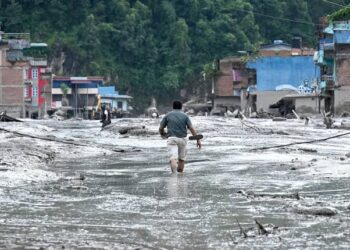
Heavy rains have worsened the crisis, contaminating water supplies and damaging fragile sanitation systems. MSF warns the outbreak is no longer confined to displacement camps and is spreading into surrounding areas—and across borders into Chad and South Sudan.
“This is beyond urgent,” said MSF’s head of mission in Sudan, Tuna Turkmen. “Survivors of war must not be left to die from a preventable disease.”
What you should know
Sudan’s ongoing war has created conditions for the deadliest cholera outbreak the country has seen in years. Darfur is at the centre of the crisis, with thousands infected and hundreds dead.
Mass displacement, lack of clean water, poor sanitation, and heavy rains have accelerated the disease’s spread, prompting urgent calls for humanitarian access before the situation worsens further.