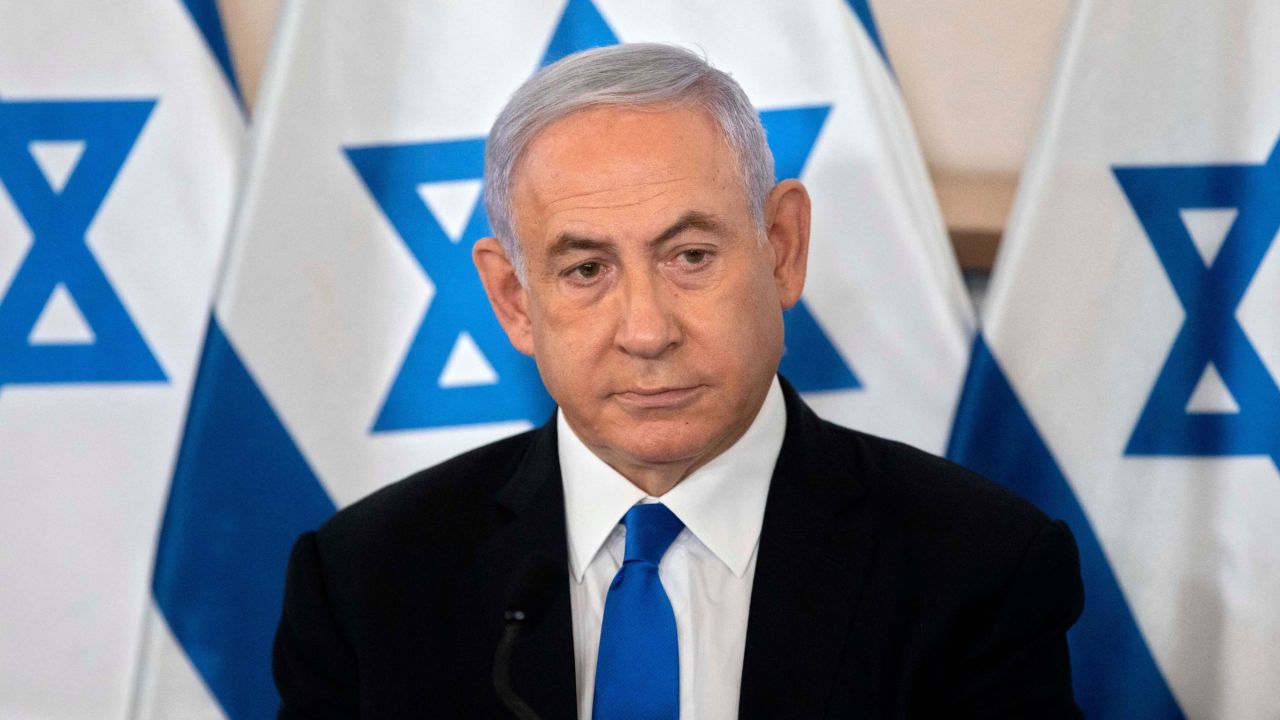
Arab nations have sharply criticised Israeli Prime Minister Benjamin Netanyahu over comments appearing to endorse the concept of a “Greater Israel,” calling the remarks provocative and a direct challenge to the sovereignty of neighbouring states.
The term refers to a biblical-era interpretation of Israel’s borders under King Solomon, encompassing not only Gaza and the occupied West Bank but also parts of present-day Jordan, Lebanon, and Syria—territories some ultra-nationalist Israelis have called to annex.
In an interview with i24NEWS on Tuesday, Netanyahu responded “absolutely” when asked if he supported such a vision, adding, “If you ask me what I think, we’re there.” He then shifted to remarks on Israel’s founding and the mission of securing its future.
The reaction from Arab capitals was swift. Jordan’s foreign ministry labelled the comments a “dangerous and provocative escalation” and a “threat to the sovereignty of states.” Egypt demanded clarification, calling the statement a rejection of peace efforts in the region. Iraq condemned what it described as “expansionist ambitions” and a provocation, while Qatar called the remarks “absurd” and “inflammatory.” Saudi Arabia voiced its “total rejection” of any colonisation or expansion plans and reaffirmed the Palestinian people’s right to an independent state.
The controversy comes amid a 22-month war between Israel and Hamas in Gaza, which has repeatedly spilled over into the wider Middle East, fuelling tensions and drawing consistent condemnation from Arab nations. Far-right members of Netanyahu’s cabinet have recently pushed for the conquest of Gaza and annexation of the West Bank, while the Israeli government has authorised new settlements deemed illegal under international law.
This is not the first time Netanyahu has sparked regional backlash. In February, he suggested a Palestinian state could be created on Saudi land. In his latest interview, he also reiterated calls to “allow” Palestinians to leave Gaza—remarks that have previously raised fears of forced displacement among Palestinians and prompted criticism from the international community.
What you should know
Netanyahu’s apparent endorsement of a “Greater Israel” has triggered a wave of condemnation from Jordan, Egypt, Iraq, Qatar, Saudi Arabia, and others, who view it as a direct challenge to their sovereignty and a rejection of peace initiatives.
The comments come against the backdrop of an ongoing war in Gaza, expanded Israeli settlement activity, and heightened regional tensions.