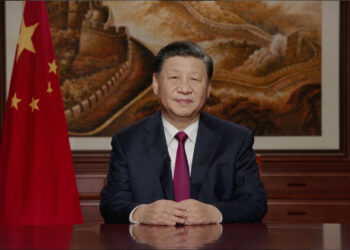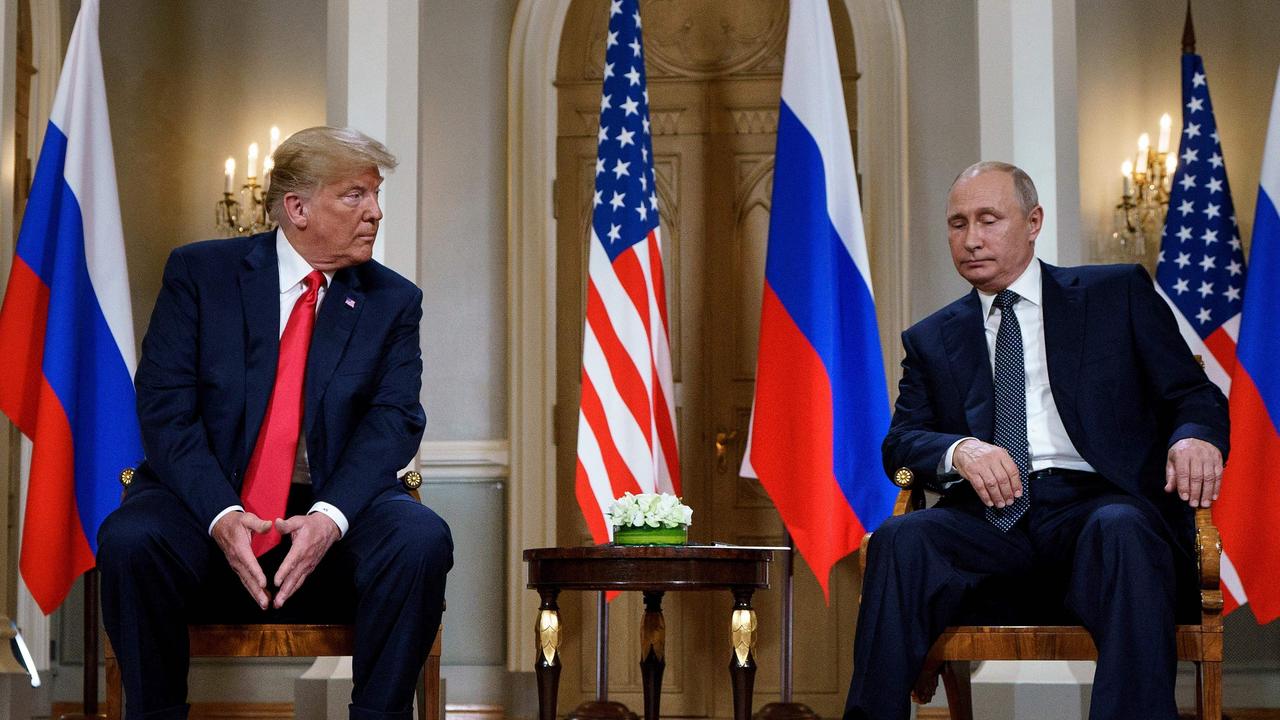
US President Donald Trump has signaled the possibility of an upcoming meeting with Russian President Vladimir Putin, following what he described as highly productive discussions in Moscow between his special envoy and Russian officials.
The potential summit, which would mark the first leadership-level US-Russia engagement since the Geneva meeting between President Biden and Putin in June 2021, comes amid intensifying efforts to secure a ceasefire in the ongoing Russia-Ukraine conflict.
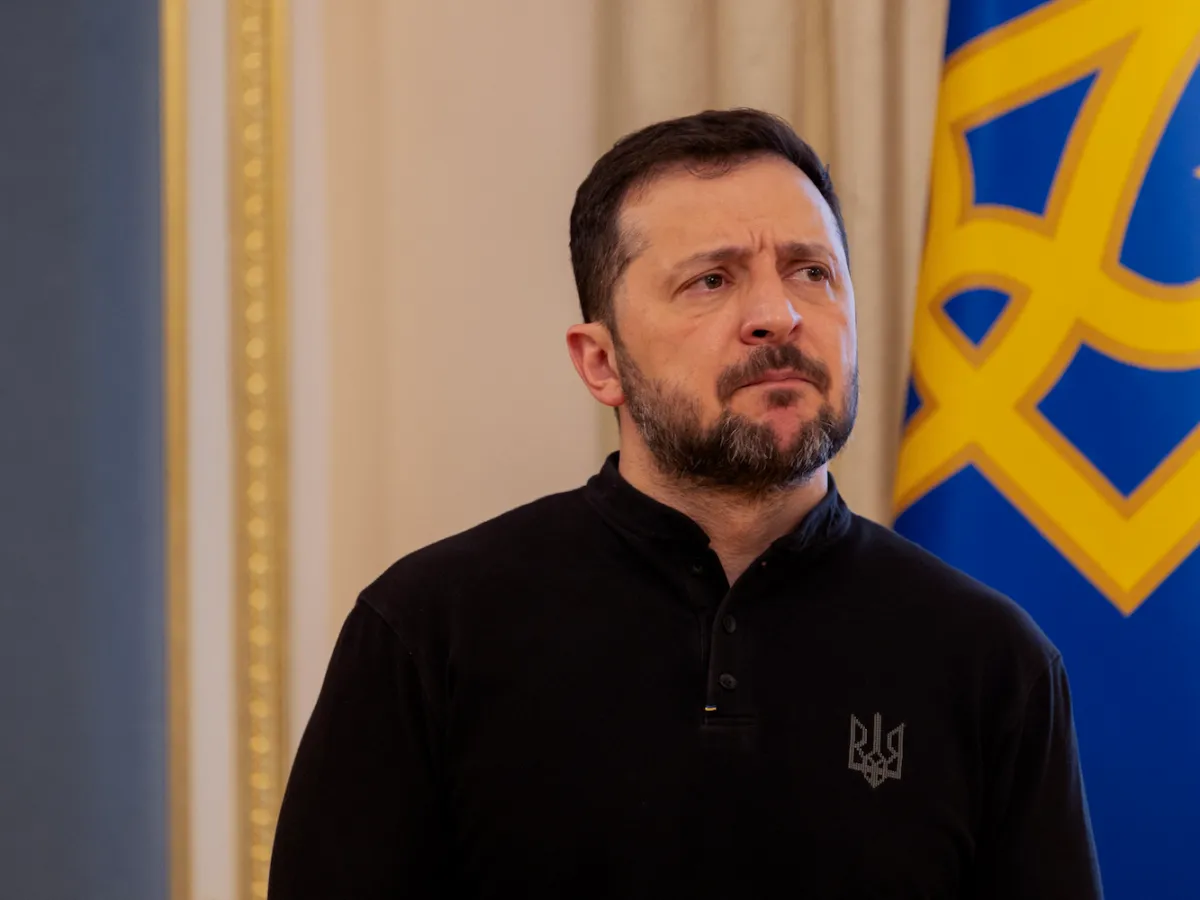
Speaking to reporters at the White House on Wednesday, Trump noted that there was “a good chance” he would meet with both the Russian and Ukrainian leaders in the near future. He offered no specific details about the location or exact timing of the proposed meeting with Putin but indicated that discussions had already taken place with Ukrainian President Volodymyr Zelensky, as well as with several key European leaders including NATO Secretary General Mark Rutte and the heads of state from Britain, Germany, and Finland.
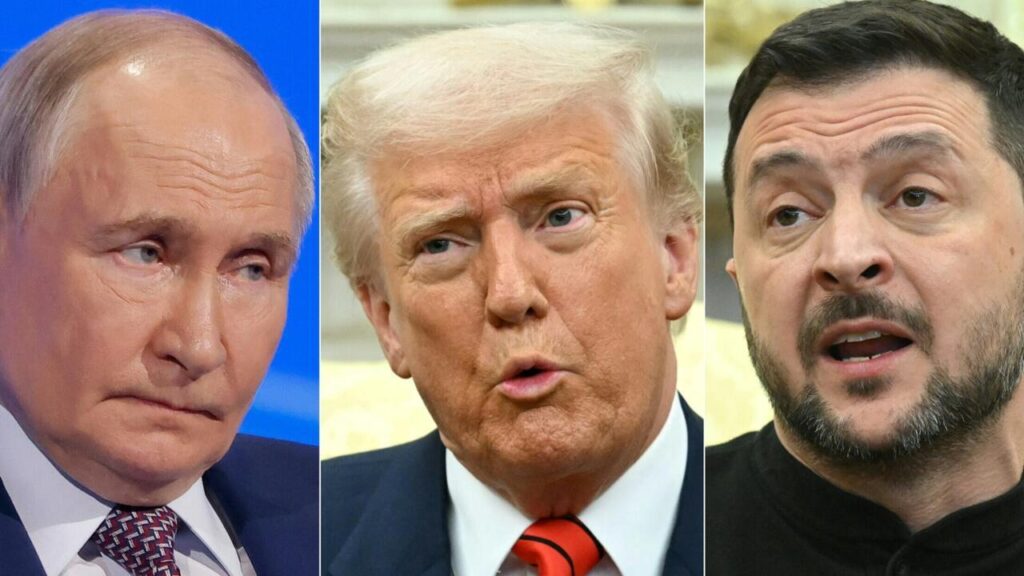
According to sources cited by The New York Times and CNN, Trump could meet Putin as early as next week and is reportedly considering a subsequent trilateral session with both Putin and Zelensky. His remarks followed a meeting in Moscow between US envoy Steve Witkoff and senior Russian officials, which the Kremlin later described as “productive.” Trump, posting on Truth Social, declared “Great progress was made!” and stated that he had updated America’s European allies afterward. “Everyone agrees this War must come to a close, and we will work towards that in the days and weeks to come,” he wrote.
Despite the optimism expressed by Trump, a senior US official revealed that new secondary sanctions on Russia were still scheduled to be imposed within two days. Secretary of State Marco Rubio confirmed that Witkoff returned with a proposed ceasefire offer from Moscow, which would now be reviewed in discussions involving Kyiv and US allies in Europe. Rubio, however, advised caution, warning that a Trump-Putin meeting might still be several weeks away, citing the complexities ahead.
Trump, who has previously claimed he could end the war within 24 hours of returning to office, has given Russia until Friday to make visible progress toward peace or risk facing additional punitive measures. So far, three separate negotiation rounds held in Istanbul have failed to bring any breakthrough, as both sides remain entrenched in their demands. Russia has continued to escalate its offensive, launching an unprecedented number of drone and missile attacks on Ukraine, while intensifying its ground operations.
Putin’s aide Yuri Ushakov, addressing the media after the three-hour dialogue with Witkoff, described the encounter as “a quite useful and constructive conversation.” He added that both parties had exchanged “signals” about their respective positions but provided no further details. Meanwhile, Zelensky confirmed that he had spoken to Trump and acknowledged that several European leaders participated in the call, though he did not identify them by name.
While Trump has increasingly criticized Moscow’s aggressive posture in recent weeks, the White House has yet to outline the specific nature of the upcoming sanctions. Trump has hinted that the measures could target Russia’s trading partners, possibly including China, with a focus on secondary sanctions. Earlier on Wednesday, he imposed higher tariffs on Indian imports due to New Delhi’s continued oil purchases from Russia. The Kremlin, without directly referencing Trump, denounced the tariff threats as “illegitimate.”
The conflict, which began in February 2022, has resulted in tens of thousands of deaths, widespread destruction across Ukraine, and the displacement of millions. Russia has insisted that Ukraine must cede additional territory and renounce its ties with Western allies as part of any agreement to halt hostilities. Kyiv, on the other hand, is calling for an immediate cessation of attacks and continues to urge Western nations to support internal political change in Moscow.
As diplomatic tensions mount, Trump revealed he had ordered the redeployment of two nuclear submarines to the region in response to a fiery online exchange with former Russian President Dmitry Medvedev. In a related development, Moscow announced it would lift its voluntary suspension on deploying nuclear-capable intermediate-range missiles, citing what it claimed were equivalent American military moves near its borders.
What you should know
Donald Trump’s push for direct talks with Vladimir Putin signals a dramatic shift in diplomatic engagement, with US pressure mounting on Russia to agree to a ceasefire.
As discussions intensify, geopolitical risks remain high, particularly amid renewed nuclear rhetoric and conflicting demands from both Kyiv and Moscow.
The success or failure of these negotiations could shape the trajectory of the war and redefine the dynamics of US-Russia relations in the months ahead.