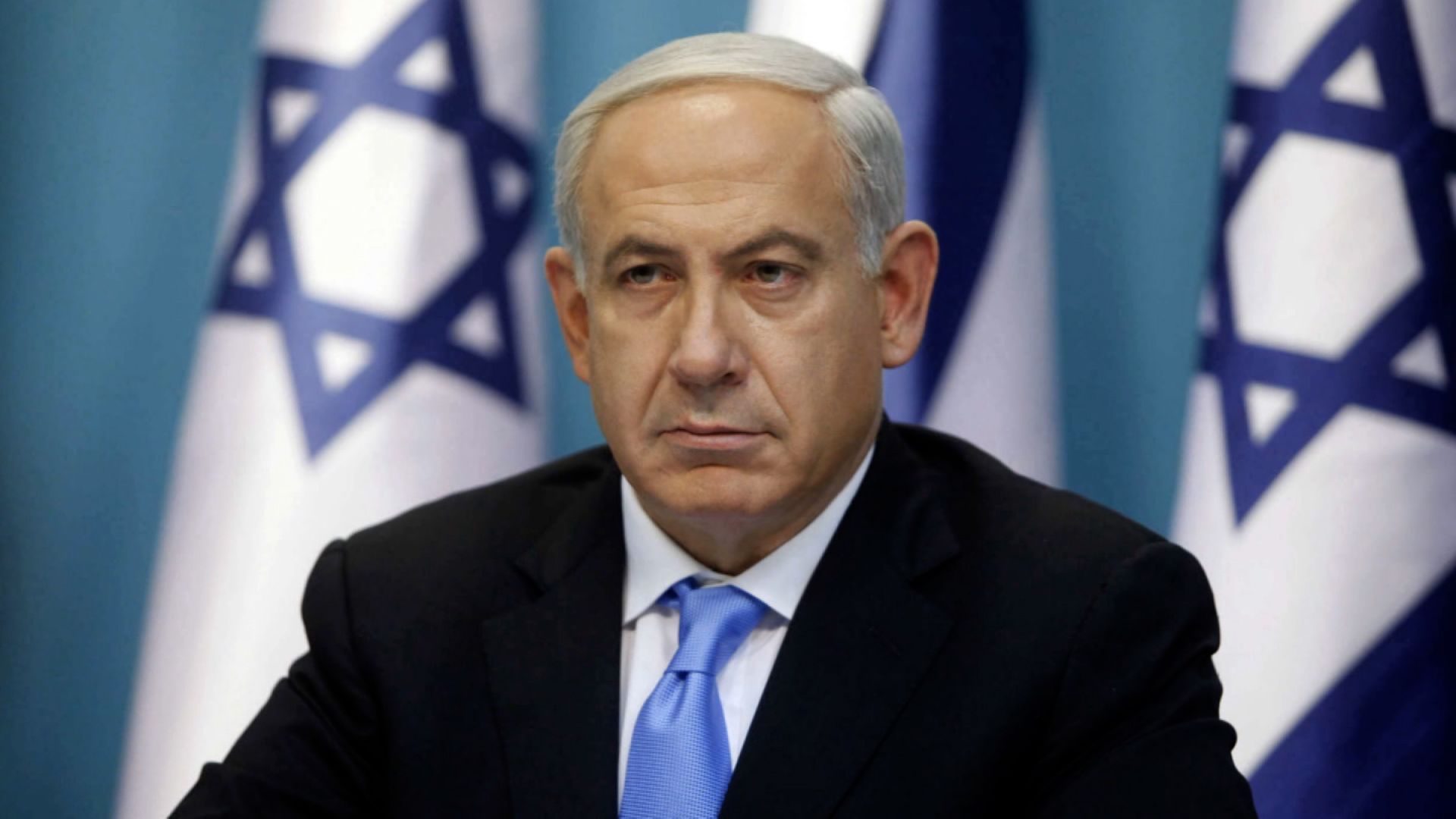
Israeli Prime Minister Benjamin Netanyahu has appealed to the International Committee of the Red Cross (ICRC) to step in and assist hostages being held in Gaza, following widespread outrage over the broadcast of disturbing videos showing two of the captives in severely weakened conditions.
According to a statement from his office on Sunday, Netanyahu reached out to Julien Lerisson, the ICRC regional coordinator, asking for the agency’s help in delivering food and urgent medical treatment to the hostages.
Reacting to the graphic videos, the ICRC declared it was “appalled by the harrowing videos” and repeated its appeal for permission to visit the captives.
Hamas’s armed wing, the Al-Qassam Brigades, responded by saying they would grant ICRC access only if “humanitarian corridors” were opened to allow food and aid to enter “across all areas of the Gaza Strip.”
The group insisted it did not “intentionally starve” the hostages but also made it clear the prisoners would not receive special food privileges given the broader humanitarian crisis under siege conditions in Gaza.
Over recent days, Hamas and its ally Islamic Jihad released three separate videos depicting two of the hostages, Rom Braslavski and Evyatar David, looking frail and malnourished, sparking renewed anger in Israel and calls for an immediate truce and a deal to free those still being held.
Netanyahu’s office said on Saturday that he had spoken to the families of both captives and was “profoundly shocked” by the videos published by the militant groups. He reassured the families that efforts to secure the release of all hostages were continuing.
Earlier on Sunday, tens of thousands of demonstrators flooded Tel Aviv, demanding that Netanyahu’s government take swifter action to free the remaining captives. The video of David, where he was apparently digging what he described as his own grave, provoked particular outrage.
The videos also referenced the catastrophic humanitarian conditions in Gaza, where UN experts have warned that a famine is now unfolding.
Israel’s ambassador to the United Nations announced that the UN Security Council would hold an emergency session on Tuesday to address the “dire situation of the hostages.”
In a strongly worded post on X, EU foreign policy chief Kaja Kallas described the images as “appalling” and condemned what she called “the barbarity of Hamas,” demanding the immediate and unconditional release of all captives.
Kallas also said Hamas must disarm and relinquish its rule in Gaza, a position supported earlier in the week by Arab nations including key mediators Qatar and Egypt. She stressed that “large-scale humanitarian aid must be allowed to reach those in need.”
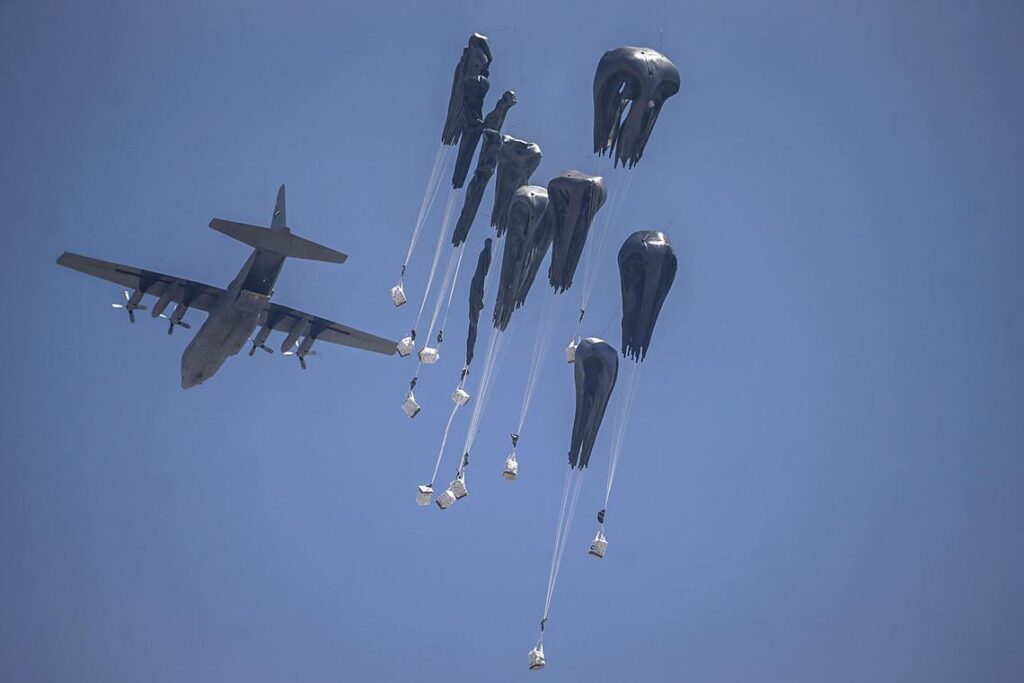
Meanwhile, Israel continues to impose heavy restrictions on the flow of aid into Gaza. UN agencies, aid organisations, and analysts report that much of the aid Israel does allow through is looted or diverted in chaotic circumstances, leaving many desperate Palestinians to risk their lives trying to obtain food from distribution sites.
On Sunday, Gaza’s civil defence agency said nine Palestinians waiting for food rations at a facility operated by the US- and Israeli-supported Gaza Humanitarian Foundation near Rafah were shot dead by Israeli forces.
Jabr al-Shaer, a 31-year-old eyewitness, told AFP by phone, “The soldiers opened fire on people. I was there, no one posed any threat.”
The Israeli military did not issue a comment on the incident.
Elsewhere in Gaza, civil defence spokesperson Mahmud Bassal said five additional people were killed near a different GHF aid site in central Gaza, while Israeli attacks in other parts of the enclave claimed another five lives.
Braslavski and David are among 49 captives still believed to be in Gaza following Hamas’s October 7, 2023 attack on Israel, an assault in which militants abducted 251 people. Of those, 27 are confirmed dead, according to the Israeli military.
During two brief ceasefires late last year, most of the hostages were freed in exchange for Palestinians held in Israeli jails.
Hamas’s attack on Israel killed 1,219 people, mostly civilians, according to an AFP tally from official Israeli figures.
Since then, Israel’s military offensive in Gaza has killed at least 60,430 people, also mostly civilians, based on data from Gaza’s health ministry, which the UN generally considers credible.
Separately, the Palestine Red Crescent Society reported that one of its workers died following an Israeli strike on its headquarters in Khan Yunis in southern Gaza.
When contacted about the strike, the Israeli military stated it was “not aware of a strike” in that area.
Owing to tight restrictions on media access and dangerous conditions on the ground, AFP and other agencies have been unable to independently verify casualty figures or many of the claims made by the involved parties.
What you should know
The latest hostage videos have reignited deep anger in Israel while also exposing Gaza’s worsening humanitarian disaster, which is now verging on famine according to UN experts.
Netanyahu has turned to the ICRC to help secure the hostages’ welfare, while Hamas demands broader humanitarian corridors in return.
As frustration grows among Israelis and the international community, diplomatic and military pressure is likely to intensify in the coming days, with the UN Security Council preparing to hold an emergency meeting on the crisis.