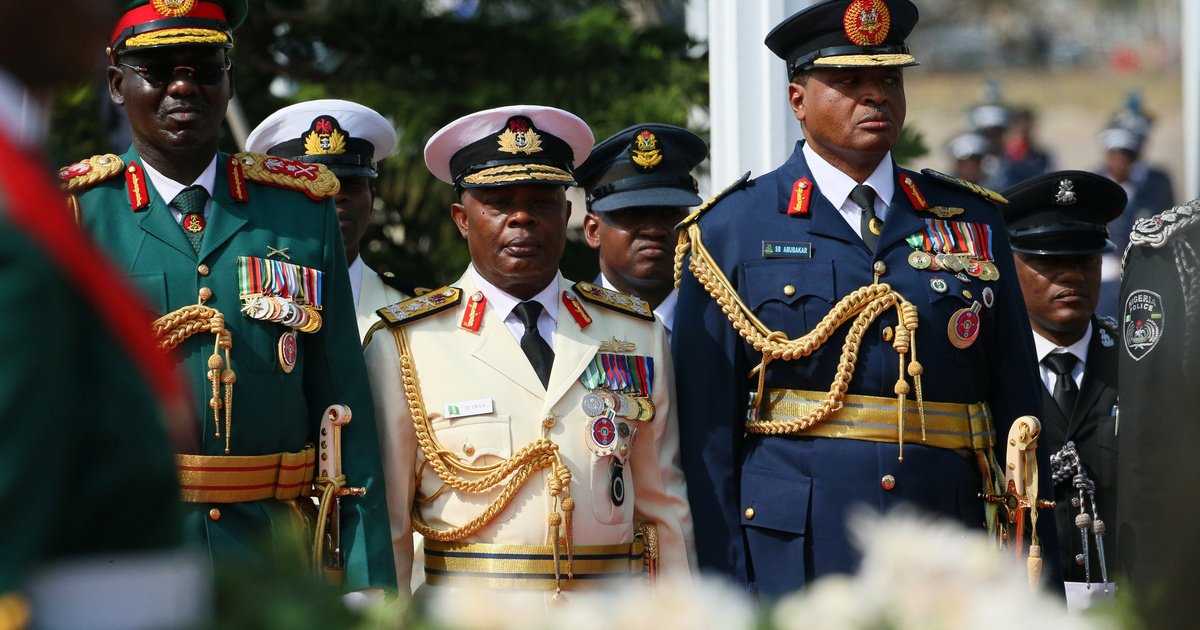
We often see the uniform, the salute, and the parade. We hear the gunshots at ceremonial salutes. We speak of service, courage, and sacrifice. But have you ever asked: What laws govern the people who protect us? What rules shape the conduct of Nigeria’s soldiers, sailors, and airmen?
The Armed Forces Act, first enacted in 1994 and codified under the Laws of the Federation of Nigeria 2004, is the comprehensive legal blueprint that governs every aspect of military life. It is detailed. It is strict. And in many ways, it is shocking.
Let’s unpack the hidden gems buried in this massive document—laws that every Nigerian citizen should be aware of, but few know exist.
1. Sleep on Duty? Go to Jail
According to Section 50, if a soldier falls asleep while on guard duty—especially during active service—the penalty can be as severe as five years in prison. What if that same soldier is drunk while on duty? The punishment is the same. The military takes vigilance seriously, and for good reason. When lives depend on alertness, there’s no room for compromise.
2. Pay ₦300, Leave the Army
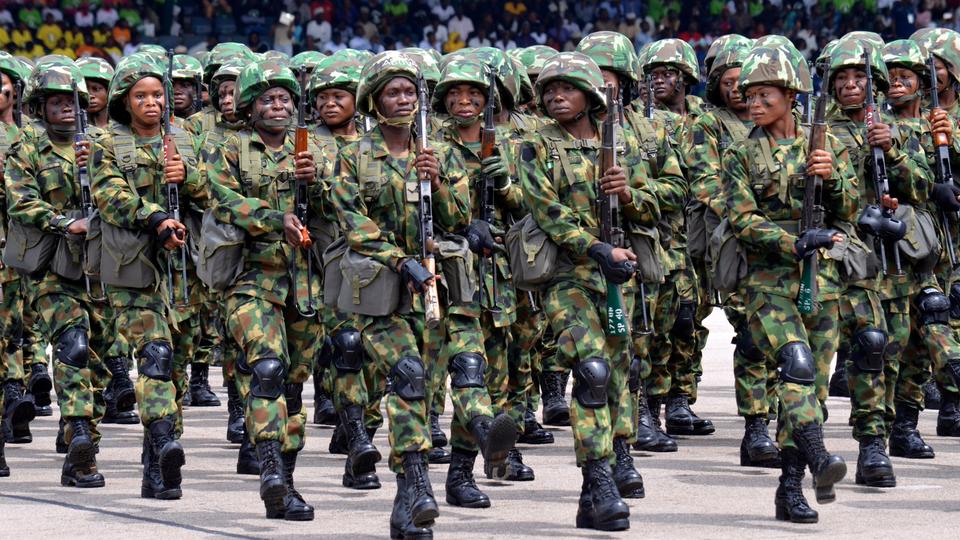
Think the military is a lifelong commitment? Not quite. Section 36 allows a newly enlisted soldier to pay ₦300 to get discharged—provided it’s within the first six months of joining.
Yes, you read that right. ₦300 to quit the Army. But if you’re already on active duty or serving a sentence, don’t bother asking. This provision likely exists to allow recruits who realize military life isn’t for them to exit gracefully during their initial training period.
3. Romantic Scandal = Court-Martial
The Armed Forces Act isn’t just about warfare—it extends deep into personal lives. If a military officer engages in a sexual relationship with another service member’s spouse, Section 79 makes that a criminal offense. Court-martial and dismissal await.
Fraternization is also banned, as is sodomy under Section 81. The military maintains strict codes of conduct that govern personal relationships to preserve discipline and unit cohesion.
4. Death Penalty for Mutiny
Few sections are as chilling as Section 52. Mutiny—even talking about it—can lead to death. Inciting disobedience, attempting to get soldiers to resist orders, or plotting to avoid duty during enemy operations? Punishable by execution.
This reflects the military’s zero-tolerance approach to insubordination, especially during critical operations where unit cohesion can mean the difference between life and death.
5. Women in Combat? Fully Legal
Contrary to popular belief, Nigeria’s Armed Forces are not just for men. Section 1(5) explicitly empowers the military to raise and maintain units of or including women—on land, at sea, and in the air.
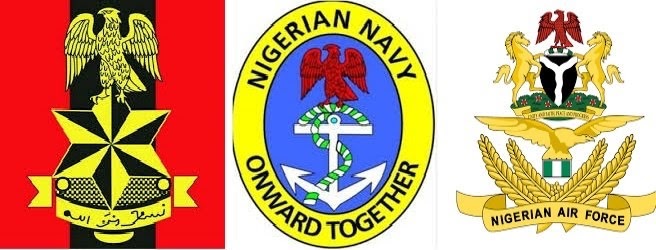
Women can fight. They can command. And they are protected by the same military law. This progressive stance ensures gender equality in military service and recognizes women’s contributions to national defense.
6. The Dead Are Not Forgotten
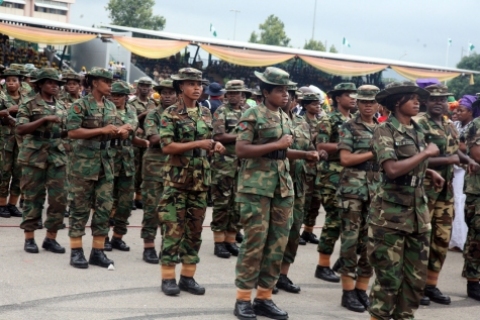
Even in death, military personnel are governed by law. Under Section 275, every serviceperson must register a personal representative to inherit their belongings in the event of death.
Their property, uniforms, pensions, and even funeral arrangements are covered in the act. This ensures that fallen heroes’ families are protected and their sacrifices honored even after death.
7. Caught with Drugs? You’re Out
Under Section 65, drug possession or use in the military is an automatic offense. Zero tolerance. No exceptions.
The military’s stance on drugs is uncompromising, recognizing that substance abuse can compromise judgment, discipline, and operational effectiveness.
8. Military Gossip Can Get You Life Imprisonment
Spreading panic among troops? Talking negatively about a mission? Section 48 calls this “creating despondency,” and it can land a soldier in prison for life.
Information warfare is real, and maintaining morale is crucial for military effectiveness. The law recognizes that negative talk can be as dangerous as any weapon.
9. Looting the Dead—or the Enemy—is a Crime
Wartime may look like chaos, but the law remains supreme. Section 51 makes looting—especially from the wounded, dead, or even abandoned enemy supplies—punishable by up to 7 years in prison.
This provision upholds international humanitarian law and ensures that Nigerian forces maintain their honor even in the heat of battle.
10. You Must Be a Nigerian to Become an Officer
Finally, Section 23 makes it clear: no foreigner can be commissioned into Nigeria’s Armed Forces. Officership is reserved for Nigerian citizens only.
This ensures that those in command positions have undivided loyalty to Nigeria and understand the cultural and political context of their service.
WHY IT MATTERS
In a time where security issues dominate headlines and calls for military reform echo louder, understanding how the Nigerian Armed Forces operate—legally—is not just important. It is essential.
These men and women are governed by a different set of rules. They operate under a legal framework that demands the highest standards of discipline, loyalty, and sacrifice. Understanding these laws helps us appreciate both the privileges and the burdens that come with wearing the uniform.
As citizens, we benefit from the protection these laws ensure. The strict discipline they enforce translates to a more effective military force. The accountability they demand means our defenders are held to the highest standards.
FINAL THOUGHTS
The Armed Forces Act is not just about war. It is about structure, accountability, and above all—discipline. It creates a framework where those who protect our nation operate under clear rules that ensure effectiveness, integrity, and honor.
Understanding these laws helps us better appreciate the sacrifices—and the boundaries—of those who wear the uniform. It also reminds us that military service is not just about courage and sacrifice but about operating within a comprehensive legal framework designed to maintain the highest standards of professional conduct.
The next time you see a soldier, sailor, or airman, remember: they’re not just defending our freedom—they’re doing so under one of the most comprehensive and demanding legal codes in our nation.
Interested in reading the Nigerian Armed Forces Act? Download Here: