France has called for an immediate end to the violence and alleged abuses committed against civilians in Syria’s southwestern city of Sweida, following disturbing reports of extrajudicial killings by government forces and their allies.
The French foreign ministry issued a statement on Wednesday denouncing what it described as “abuses targeting civilians” and emphasized the urgent need for all parties to uphold a ceasefire.
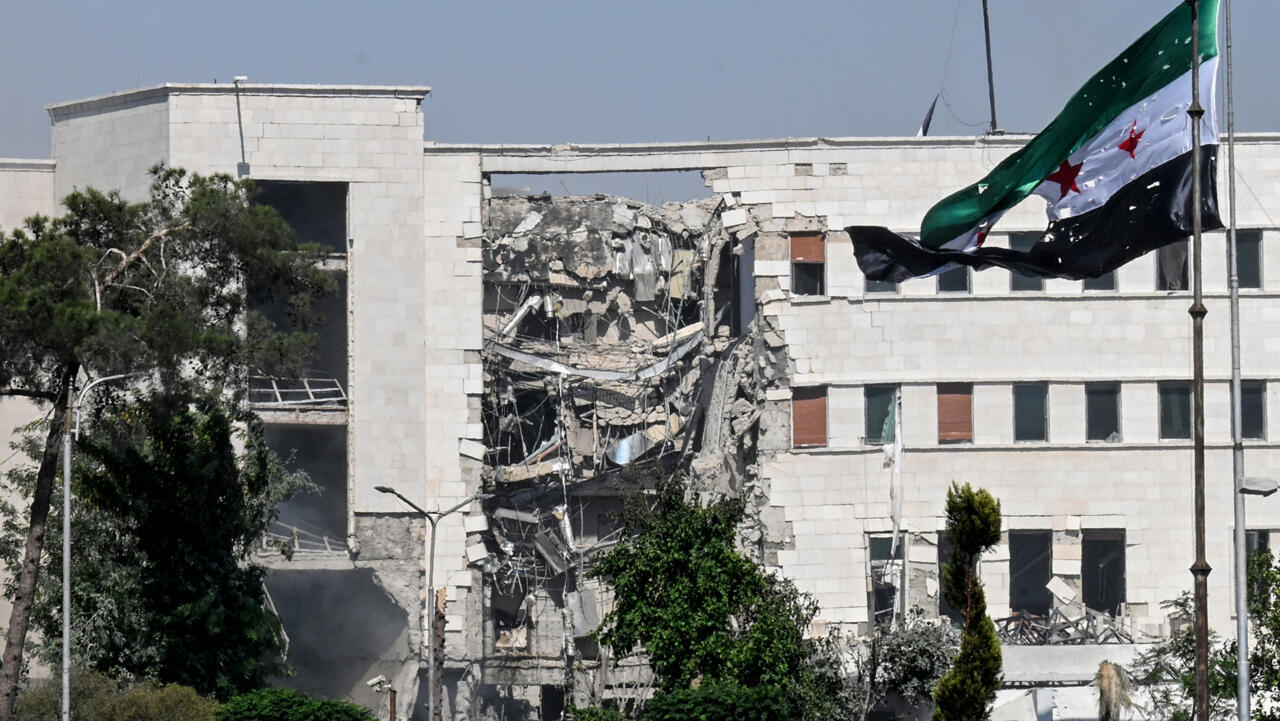
Tensions escalated earlier this week when Syrian government forces entered the predominantly Druze city under the pretense of overseeing a ceasefire agreement reached between Druze community leaders and local Bedouin tribes.
The truce followed intense clashes that had reportedly left more than 100 people dead. However, eyewitnesses now claim that rather than serving as neutral peacekeepers, government troops participated in coordinated assaults alongside Bedouin fighters, targeting both Druze combatants and civilians in sweeping attacks across Sweida.
According to the Syrian Observatory for Human Rights, a UK-based monitoring organization with sources inside Syria, 21 Druze civilians were summarily executed by government troops and allied factions. These claims have sparked widespread outrage, as observers fear a return to broader ethnic and sectarian violence that has plagued Syria throughout its years of civil unrest.
Sweida’s upheaval comes amid Syria’s ongoing political transformation following the ouster of former President Bashar al-Assad in December. Assad, who had ruled Syria for nearly 14 years, was forced from power by a coalition of Islamist-led forces after years of civil war. While a transitional government has since taken charge, the country remains fractured along political, religious, and tribal lines.
In its Wednesday statement, France reiterated support for Syria’s transitional authorities and applauded the leadership in Sweida for seeking peaceful solutions. “France supports the efforts of the Syrian transitional authorities and the leaders of the Sweida region to restore dialogue,” the statement read. “We hope for a lasting agreement to strengthen the unity, stability, and sovereignty of Syria, as well as the safety of all Syrians.”
The French government’s call for restraint follows President Emmanuel Macron’s recent appeals to Syria’s new leadership to safeguard all religious and ethnic communities within the country. In early May, Macron met with Syrian transitional leader Ahmed al-Sharaa in Paris, during which he underscored the need for inclusive governance and intercommunal protection after reports of renewed violence against minority groups, including the Druze and Alawites.
The European Union, meanwhile, signaled its own shift in policy toward Syria’s reconstruction last month. While it announced a lifting of some economic sanctions aimed at easing the country’s humanitarian crisis, it simultaneously imposed targeted sanctions on three militia groups and two of their leaders accused of orchestrating deadly attacks primarily against the Alawite minority, long associated with the Assad regime.
The rapidly deteriorating situation in Sweida has prompted international observers to warn of further fragmentation if violence is not curtailed. Analysts say the government’s alleged involvement in summary executions, if confirmed, could undermine its already fragile legitimacy and derail efforts at national reconciliation.
As the transitional authorities attempt to rebuild a war-ravaged nation, international stakeholders like France are urging not only the cessation of hostilities but also the establishment of transparent accountability mechanisms to investigate war crimes and ensure justice for victims of state and militia violence.
What you should know
France has condemned alleged civilian abuses by Syrian government forces in Sweida, where 21 Druze civilians were reportedly executed during clashes with Bedouin tribes.
The country is undergoing a transition following Bashar al-Assad’s ouster, and France has urged all parties to uphold ceasefire agreements and protect minority groups amid rising intercommunal violence.