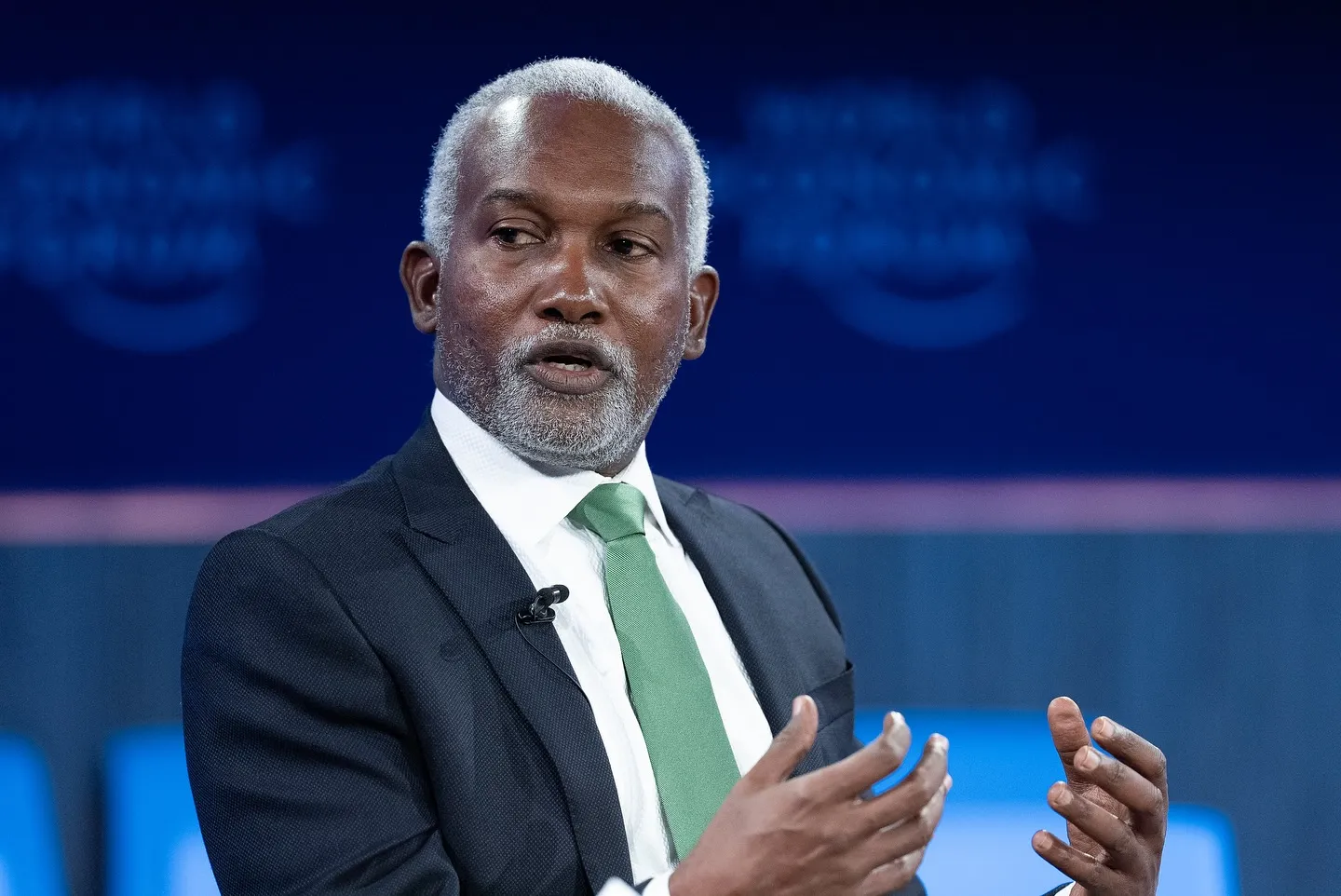
Nigeria has made it clear it will not yield to mounting pressure from the administration of US President Donald Trump to accept deported Venezuelan nationals, including former prisoners, currently held in the United States.
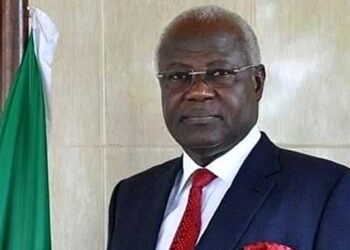
Speaking on Channels Television’s Politics Today on Thursday, Foreign Affairs Minister Yusuf Tuggar emphasized that Nigeria would not become a “dumping ground” for foreign deportees as it grapples with its own internal challenges.
The minister’s comments come amid heightened diplomatic friction following Nigeria’s participation in the 2025 BRICS Summit, which took place from July 6 to 7 in Rio de Janeiro, Brazil. President Bola Tinubu joined other world leaders for the two-day meeting of the BRICS alliance—an expanded version of the economic bloc originally comprising Brazil, Russia, India, China, and South Africa.
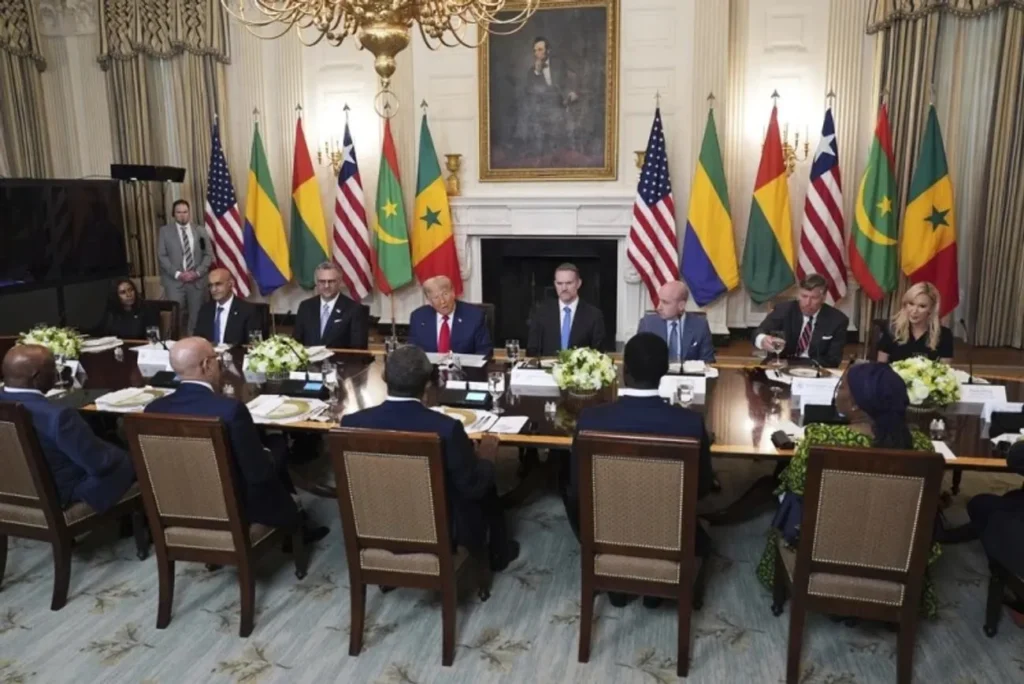
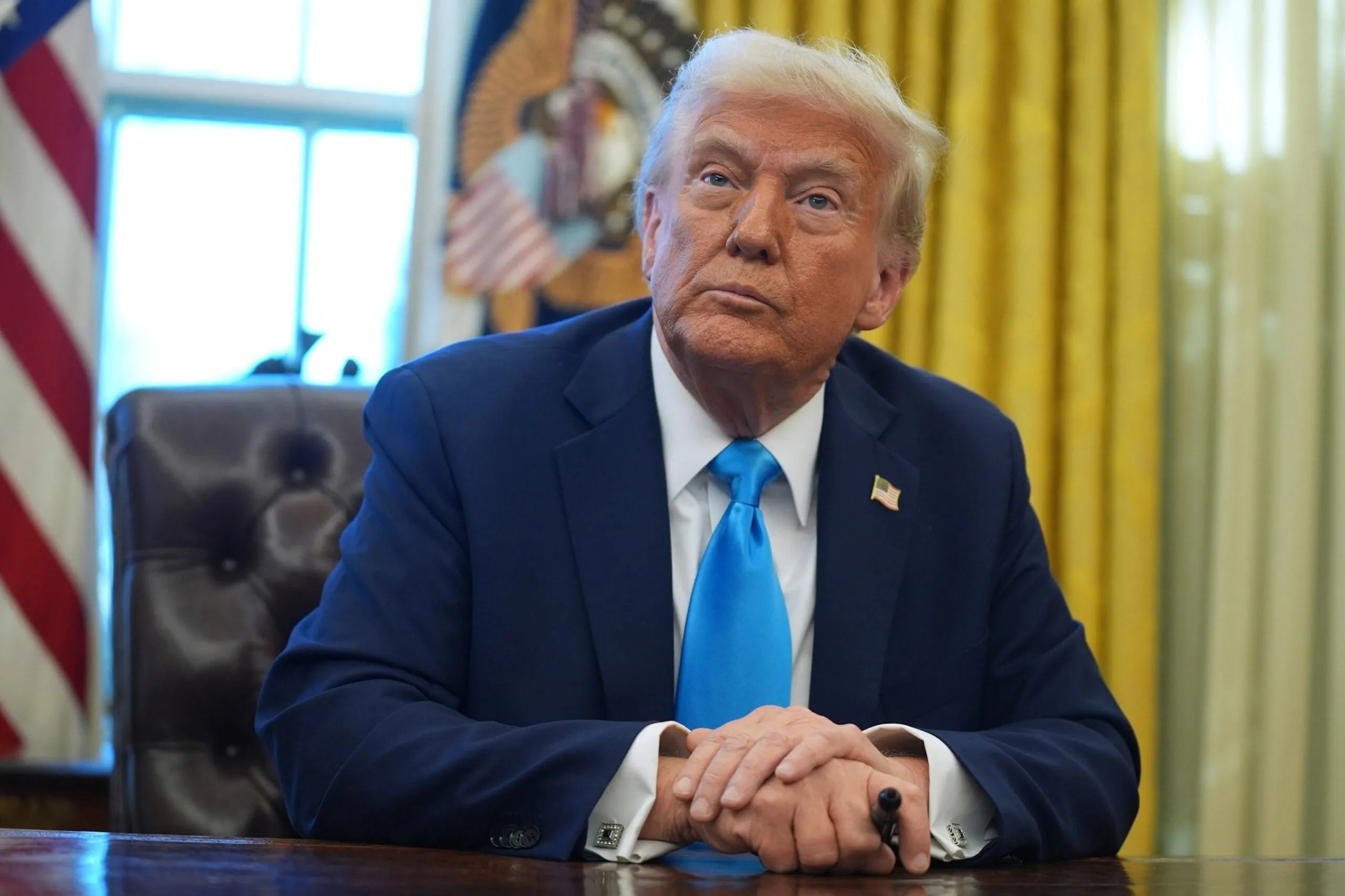
On the final day of the summit, President Trump announced a 10 percent increase in trade tariffs on BRICS nations he described as “anti-American,” specifically naming China, India, and Nigeria. While the announcement has raised eyebrows, Tuggar suggested that the tariff decision may not be directly tied to Nigeria’s presence at the BRICS meeting, adding that broader geopolitical dynamics may be at play.
“You have to also bear in mind that the US is mounting considerable pressure on African countries to accept Venezuelans to be deported from the US, some straight out of prisons,” Tuggar said during the televised interview. “It would be difficult for countries like Nigeria to accept Venezuelan prisoners into Nigeria. We have enough problems of our own; we cannot accept Venezuelan deportees to Nigeria. We already have 230 million people.”
Tuggar reiterated that while Nigeria remains open to international dialogue, it cannot accommodate demands that conflict with national interest or security. He also acknowledged ongoing discussions between Nigeria and US officials regarding the latest round of visa restrictions on Nigerian citizens, which he described as concerning but manageable through diplomacy.
In a related development, the minister expressed disappointment over the continued imposition of travel restrictions by the United Arab Emirates on Nigerian nationals, calling the move “regrettable” and hinting at ongoing efforts to resolve the situation through bilateral talks.
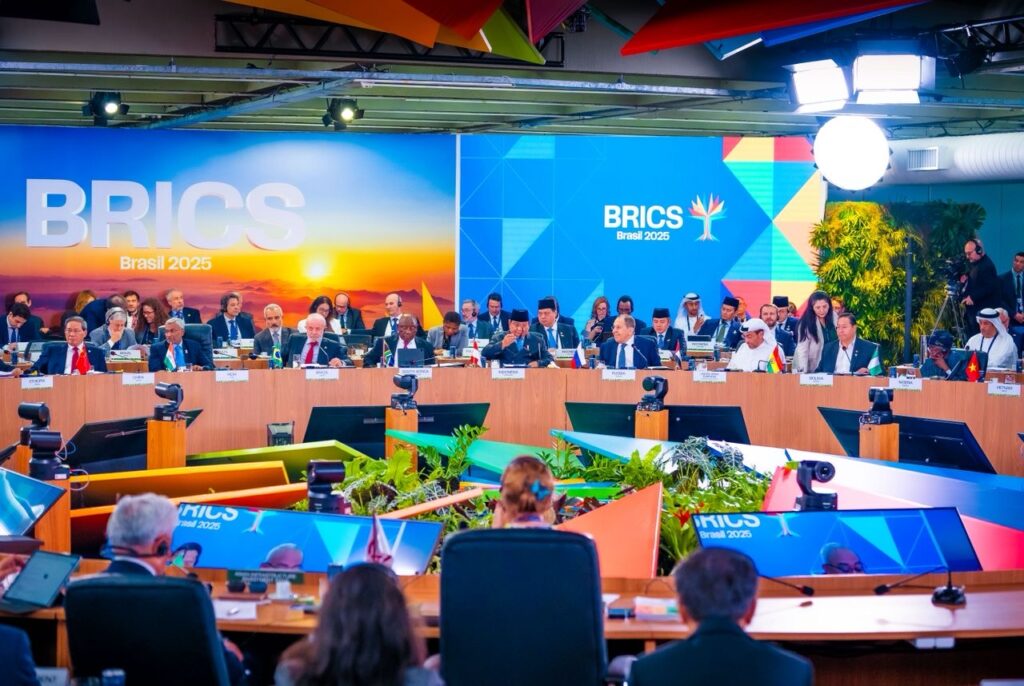
Nigeria officially became a BRICS partner in January 2025, following its invitation to join the expanded bloc. The inclusion of countries like Nigeria, Egypt, Ethiopia, Indonesia, Iran, and the UAE has transformed BRICS into a formidable global force, now representing approximately 37 percent of the world’s GDP. Collectively, BRICS nations account for nearly half of the global population and wield significant influence across both political and economic spheres.
Created in 2006 as a platform to amplify the voices of the Global South, BRICS has continued to push back against the dominance of Western-led financial institutions and policies. Nigeria’s alignment with the bloc signals a strategic shift in its global partnerships, particularly as it seeks to diversify economic alliances and assert greater geopolitical relevance.
Nonetheless, this alignment has drawn scrutiny from Washington, where policymakers are increasingly wary of what they view as a coordinated challenge to US influence on the world stage. Trump’s call for trade penalties and the reported deportation pressure are widely interpreted as part of a broader strategy to rein in the growing influence of BRICS.
Minister Tuggar, however, maintained that Nigeria’s foreign policy remains rooted in sovereignty, multilateral cooperation, and respect for international law. “We want to be treated as equals,” he remarked, reiterating Nigeria’s commitment to balancing international engagement with domestic priorities.
What you should know
Nigeria’s Foreign Affairs Minister, Yusuf Tuggar, firmly rejected a US request to accept deported Venezuelan nationals, citing the country’s already large population and existing challenges.
His remarks came days after Nigeria’s participation in the BRICS summit, which prompted President Trump to announce new tariffs targeting key BRICS nations. Nigeria, now a BRICS partner, is navigating increased global scrutiny as it asserts itself on the international stage.