The International Criminal Court (ICC) has issued arrest warrants for two senior Taliban figures, accusing them of orchestrating widespread and systematic discrimination against women and girls in Afghanistan.
The announcement came on Tuesday, with judges stating that there are “reasonable grounds” to suspect that Taliban Supreme Leader Hibatullah Akhundzada and Chief Justice Abdul Hakim Haqqani committed crimes against humanity through gender-based persecution.
According to the ICC, the alleged violations occurred between August 15, 2021—when the Taliban regained control of Afghanistan—and continued until at least January 20, 2025. The court said the Taliban’s policies were not just blanket restrictions on the population but were specifically designed to target and marginalize girls and women.
“While the Taliban have imposed certain rules and prohibitions on the population as a whole, they have specifically targeted girls and women by reason of their gender, depriving them of fundamental rights and freedoms,” the ICC stated in a public release.
Judges found that the Taliban systematically denied women and girls access to education, employment, and public life. Restrictions were also placed on freedom of movement, expression, thought, conscience, religion, and even the right to family life. The court added that others were targeted due to perceptions that their sexuality or gender identity did not align with Taliban norms.
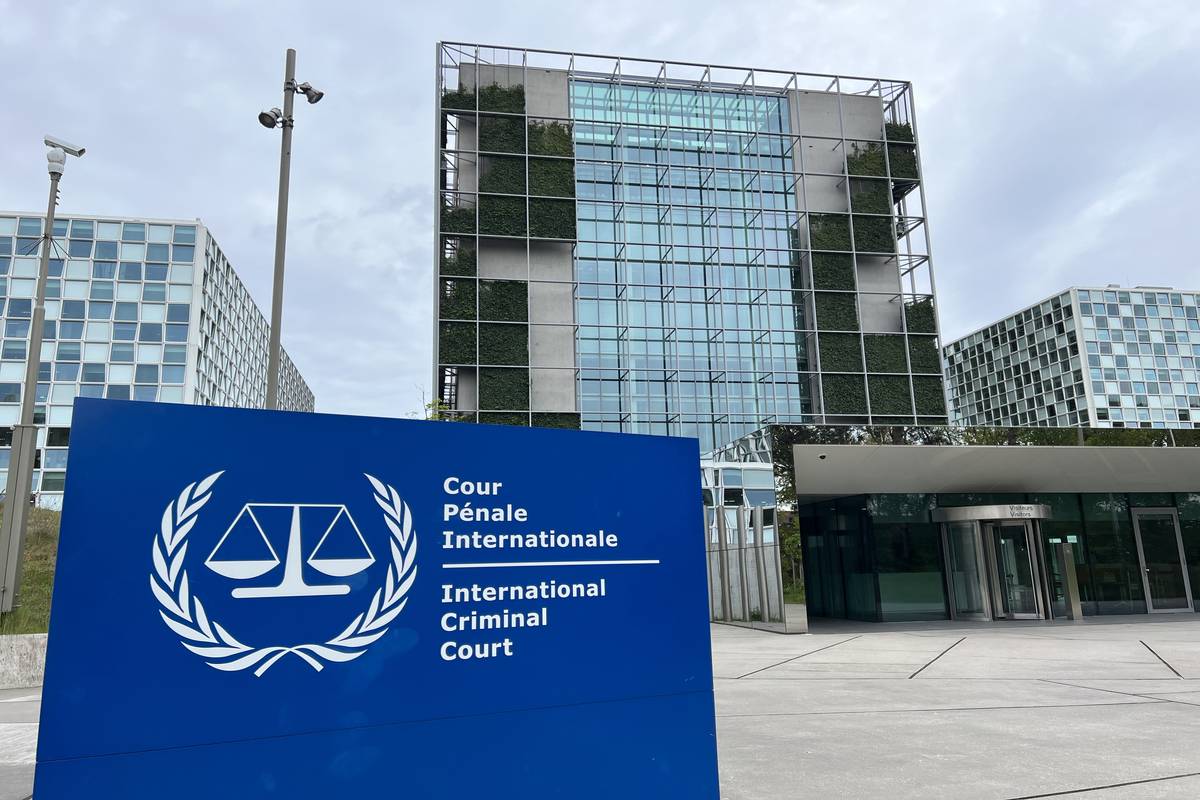
The ICC, headquartered in The Hague, was established to try individuals for the most serious offenses of concern to the global community. However, the court does not have its own enforcement mechanism and depends on member countries to carry out arrests. This arrangement means that any Taliban official subject to an ICC warrant could be arrested if they enter a country that recognizes the court’s jurisdiction.
Taliban rule marked by repressive policies
After returning to power in 2021, the Taliban promised a more moderate form of governance than during their previous rule from 1996 to 2001. However, that pledge quickly unraveled as the regime began enforcing sweeping restrictions on Afghan women and girls. The United Nations has described these actions as a form of gender apartheid.
Many of the edicts, issued by Akhundzada from his stronghold in Kandahar, ordered the exclusion of women from secondary schools and universities, making Afghanistan the only country where females are barred from formal education beyond primary school. Women were also pushed out of government and NGO jobs, with many being paid to remain at home.
In addition, authorities closed beauty salons, banned women from parks, gyms, and public baths, and required them to be accompanied by a male relative during long-distance travel. A vice and virtue law passed in 2024 further restricted public expressions by women, including bans on singing and poetry readings, and required that their bodies and voices be fully concealed outside the home.
ICC Chief Prosecutor Karim Khan requested the arrest warrants in January, stating that the Taliban’s treatment of women, girls, and gender minorities amounted to ongoing persecution. He warned that more warrants for Taliban officials may follow.
“Our action signals that the status quo for women and girls in Afghanistan is not acceptable,” Khan said.
What You Should Know
Hibatullah Akhundzada, the Taliban’s reclusive Supreme Leader, governs largely by decree and has been the architect of many of the regime’s hardline policies. Abdul Hakim Haqqani, a senior religious scholar, serves as the Chief Justice of the Taliban’s judiciary.
Both men are considered pivotal figures in the Taliban’s enforcement of deeply restrictive rules targeting women, girls, and gender minorities, which the ICC now classifies as crimes against humanity.