Poland has reimposed controls on its borders with Germany and Lithuania, a move framed by authorities as part of an effort to tackle illegal migration, but one that is also stirring political debate and economic anxiety in border communities.
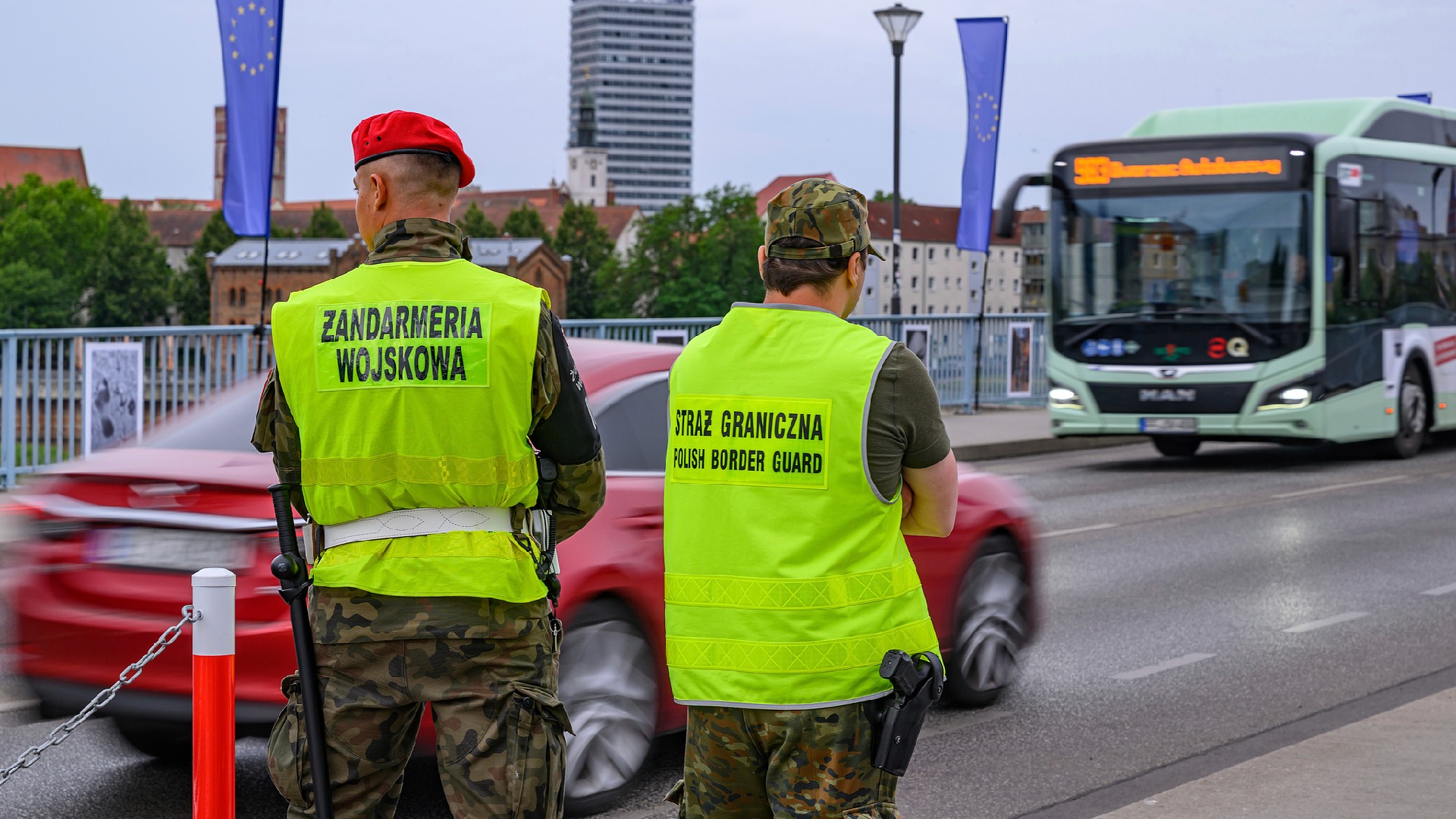
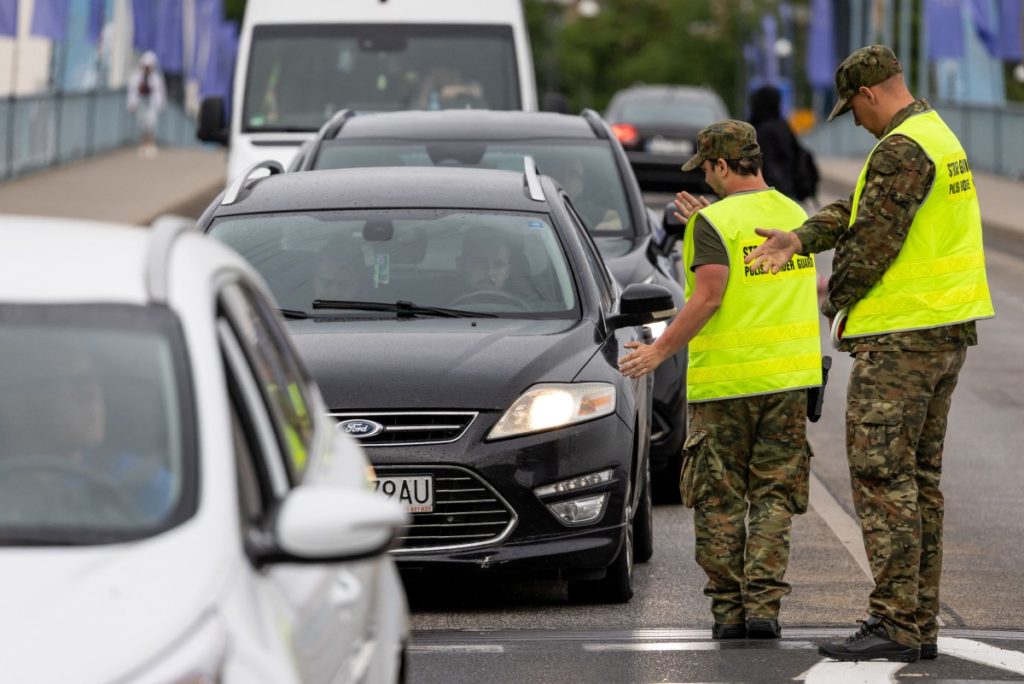
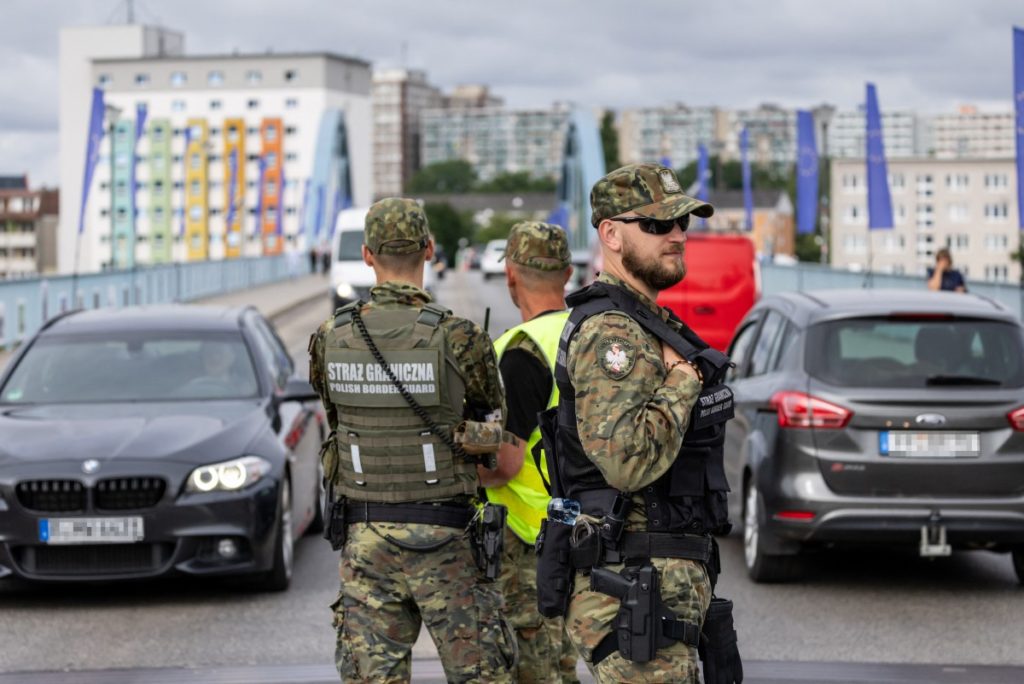
Beginning Monday, border guards and military police were stationed at key crossings, including the bridge between the Polish town of Slubice and Frankfurt an der Oder in Germany. Officers monitored and occasionally halted vehicles to conduct document checks.
This latest step follows rising public discontent about migration in both Poland and Germany. Warsaw maintains that hundreds of migrants—mainly from the Middle East—are entering the European Union through the Baltic states from Belarus, and subsequently traveling across Poland into Germany. Tensions have mounted as Polish officials accuse Berlin of quietly returning intercepted migrants to Polish territory without proper consultation.
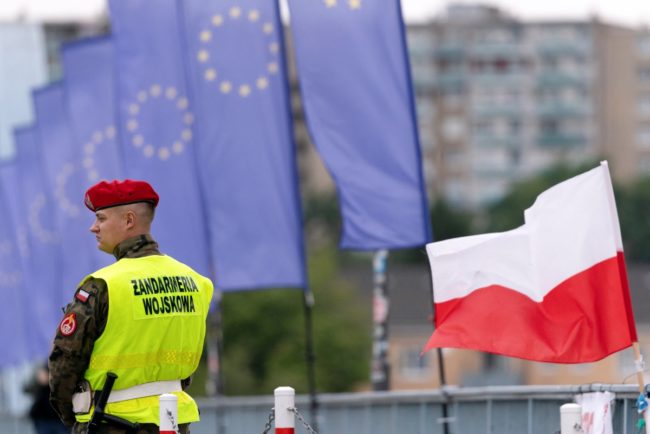
“The checks being implemented aim to combat illegal migration,” Interior Minister Tomasz Siemoniak stated, reinforcing the government’s position on the necessity of increased oversight at the borders. On the first day of the operation, border guards detained an Estonian national for transporting four Afghan migrants illegally. Siemoniak described the arrest as evidence of the policy’s relevance.
Germany, which began its own border checks with Poland in 2023, welcomed Warsaw’s move, calling for improved cooperation between the two countries. Andreas Rosskopf, a leading figure in Germany’s police union GdP, emphasized the importance of devising a joint approach. He cautioned against a “ping-pong game” scenario, where migrants are bounced back and forth across borders without resolution.
Despite political support for the checks, business groups and local residents expressed concern. Helena Melnikov, the CEO of Germany’s Chamber of Industry and Commerce, warned that delays at the border could dissuade workers from commuting, potentially worsening existing labor shortages in frontier regions. Polish businesses, many of which depend heavily on German clientele, echoed similar fears.
Marek Klodnicki, a Slubice-based administrator who commutes daily to Germany, lamented the return of controls, saying it disrupts the social and economic ties that have taken years to build. “We have waited so long for open borders,” he said, describing the development as “very sad.”
Merchants who rely on cross-border traffic also voiced mixed feelings. Kinga Dziuba, who sells cigarettes to mostly German customers, admitted that while trade may suffer, the added security is worthwhile. “Security is more important to me than trade,” she said.
The reimplementation of border checks comes in the wake of Poland’s closely contested June presidential election. Nationalist candidate Karol Nawrocki, who campaigned under the banner “Poland first, Poles first,” narrowly triumphed over the pro-EU candidate backed by Prime Minister Donald Tusk. Since then, Tusk’s administration has adopted a more assertive stance on immigration, hoping to fend off criticisms from the right.
In total, officials have deployed 52 checkpoints on the German border and 13 on the Lithuanian frontier. While the checks are currently scheduled to run from July 7 to August 5, the timeline could be extended based on security evaluations. Authorities say the inspections will focus on high-occupancy vehicles, with spot checks rather than systematic scrutiny of every car.
Nonetheless, the move has drawn criticism from nationalist and far-right groups who argue that the Tusk government has capitulated to Berlin’s influence and allowed Poland to become a de facto entry point for irregular migrants. Some activists have even attempted to organize unsanctioned “citizens’ patrols” along the border—actions the Polish government insists are illegal.
On the economic front, the ripple effects are already being felt. Edyta Taryma, a hair salon owner in Slubice, revealed that her earnings had dropped by 20 percent since Germany first reinstated its border controls. Fear of traffic delays, she noted, has discouraged many German customers from visiting.
Taryma dismissed the renewed checks as unnecessary, echoing a sentiment shared by many residents and business owners whose livelihoods rely on the seamless flow of people across the borders. As the situation unfolds, the Polish government faces a delicate balancing act: addressing public concerns over migration while safeguarding cross-border economic integration that has become a hallmark of the EU’s borderless promise.
What You Should Know:
Poland has resumed border checks with Germany and Lithuania, citing a need to curb illegal migration.
While officials defend the move as essential for national security, it has sparked concerns among border communities and business owners who fear economic losses.
The decision follows mounting political pressure over migration and could further strain Polish-German relations.