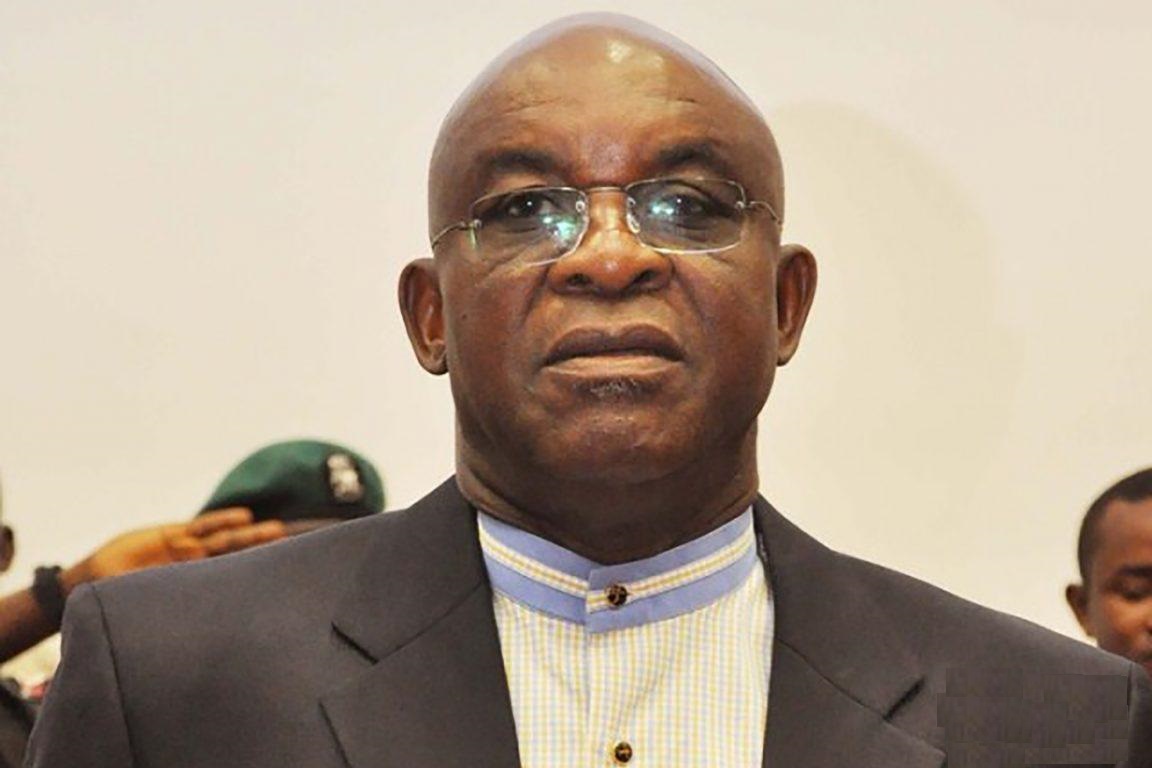
Former Senate President David Mark resigned from the Peoples Democratic Party (PDP) on June 27, citing the party’s deepening leadership crisis and irreconcilable differences as key reasons for his departure.
In a letter addressed to the PDP leadership in Otukpo Ward 1, Benue State, Mark, a founding member, expressed his long-standing commitment to the PDP, noting his efforts to rebuild it after the 2015 election loss when he vowed to be “the last man standing.”
However, he stated, “Recent events marked by deepening divisions, persistent leadership crisis, and irreconcilable differences have reduced the party to a shadow of its former self, subjecting it to public ridicule”.
Mark’s resignation follows his appointment as interim National Chairman of the African Democratic Congress (ADC), which was adopted on July 1, 2025, as the platform for a coalition of opposition figures aiming to unseat President Bola Tinubu and the All Progressives Congress (APC) in the 2027 general election.
The coalition, formalized during a high-level meeting at the Transcorp Hilton Hotel in Abuja on July 1, includes prominent PDP defectors like former Vice President Atiku Abubakar, former governors Sule Lamido (Jigawa), Aminu Tambuwal (Sokoto), Liyel Imoke (Cross River), Babangida Aliyu (Niger), Sam Egwu (Ebonyi), Olagunsoye Oyinlola (Osun), and former PDP National Chairman Uche Secondus, alongside Labour Party’s Peter Obi and former APC governors Nasir El-Rufai and Rotimi Amaechi.
Former Osun Governor Rauf Aregbesola was named interim National Secretary, and former Sports Minister Bolaji Abdullahi was appointed interim National Publicity Secretary.
The ADC was chosen after the coalition’s proposed All Democratic Alliance (ADA) faced potential registration delays by the Independent National Electoral Commission (INEC).
Former ADC National Chairman Ralph Nwosu, who stepped down to accommodate the coalition, praised Mark as a disciplined leader suited to lead the party, stating, “There is no better detribalised Nigerian that can lead ADC than former Senate President, David Mark”. The ADC’s formal unveiling under its new leadership was scheduled for July 2, 2025, in Abuja.
Activist Deji Adeyanju celebrated the PDP’s decline, saying, “I’m proud of the opposition for coming together finally”.
The coalition’s formation reflects frustration with the PDP’s internal crises, including disputes over Acting National Chairman Umar Damagum’s decisions and the National Secretary position, as well as broader discontent with the APC’s governance.
However, APC Publicity Director Bala Ibrahim dismissed the coalition as “dead on arrival,” asserting confidence in Tinubu’s 2027 re-election.
Political analysts see the ADC’s adoption as a potential game-changer, though its success depends on unifying opposition structures and navigating regional power dynamics, particularly around Atiku’s possible candidacy.
What You Should Know
- David Mark resigned from the PDP on June 27, 2025, citing leadership crises and internal divisions, ending his decades-long tenure.
- He was appointed interim National Chairman of the ADC, adopted by a coalition including Atiku Abubakar, Peter Obi, and others to challenge the APC in 2027.
- Rauf Aregbesola and Bolaji Abdullahi were named interim National Secretary and Publicity Secretary, respectively, with the ADC’s unveiling set for July 2, 2025.
- The coalition opted for the ADC after INEC delays threatened the registration of the proposed All Democratic Alliance (ADA).
- The move signals a major opposition realignment, though the APC remains confident, and internal PDP opposition to Atiku’s candidacy could complicate efforts.