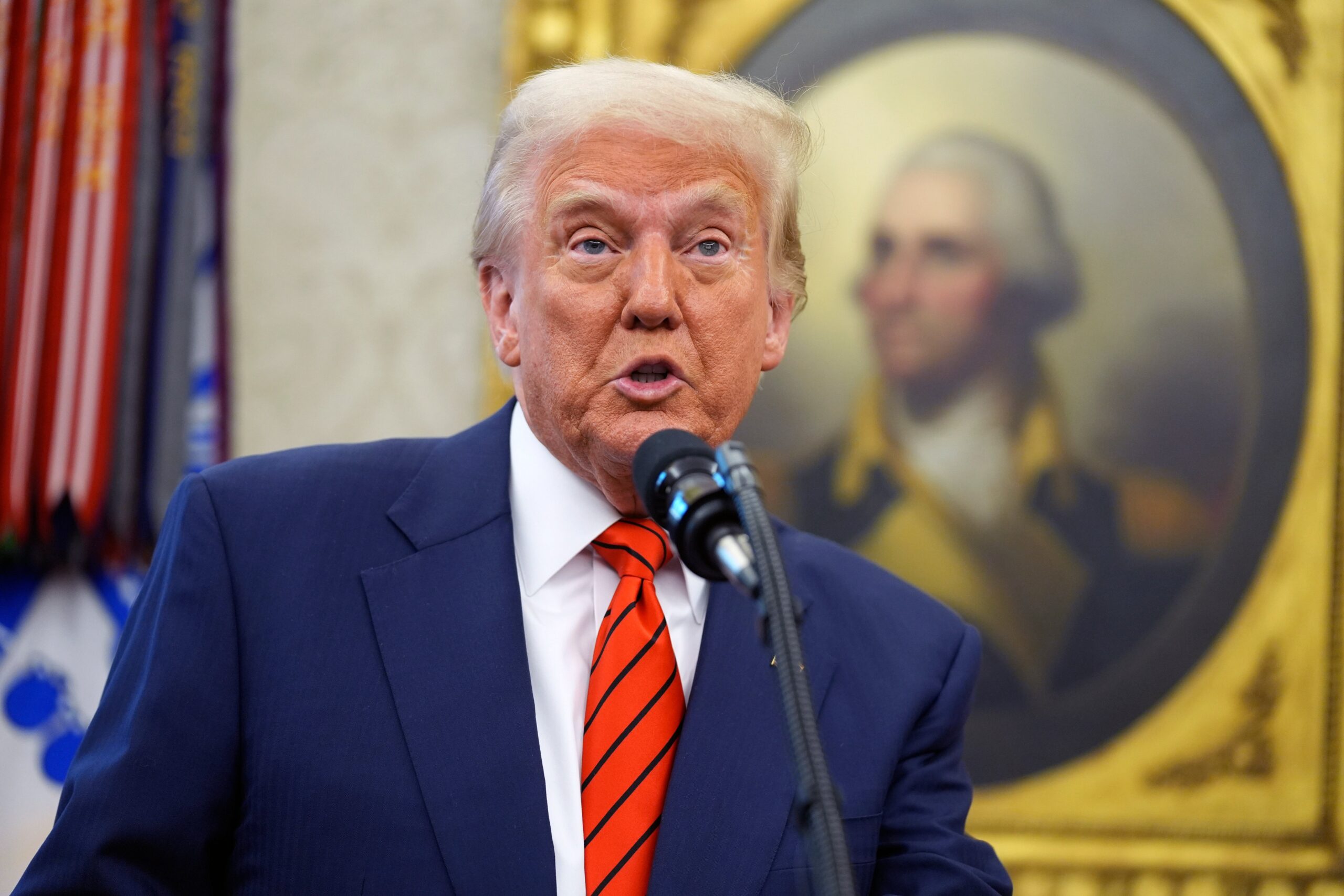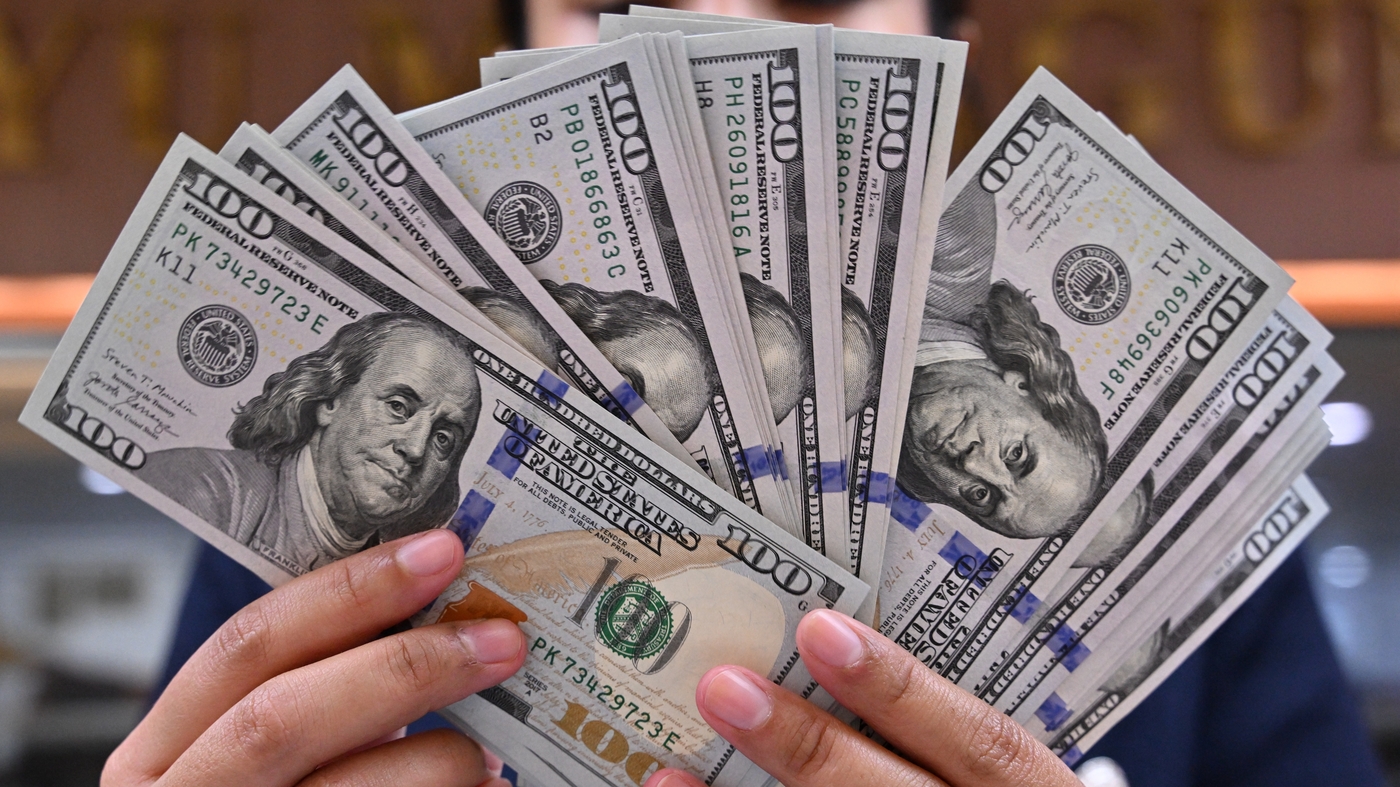
The U.S. dollar staged a partial recovery against the euro on Friday, clawing back from earlier steep losses after President Donald Trump delivered a series of provocative statements that sent shockwaves through global financial markets and underscored the administration’s increasingly erratic approach to international relations.
Trump’s decision to abruptly terminate trade negotiations with Canada, coupled with renewed threats to consider military action against Iran, created a perfect storm of geopolitical uncertainty that initially boosted demand for the dollar as investors sought safe-haven assets. However, currency analysts warn that this knee-jerk reaction may prove short-lived as markets grapple with the broader implications of the administration’s unpredictable policy shifts.
“The whiplash effect we’re seeing today perfectly encapsulates the Trump administration’s approach to foreign policy,” said Adam Button, chief currency analyst at ForexLive. “Markets are discovering that any assumptions about policy direction can be instantly upended, creating an environment where traditional economic fundamentals take a backseat to political theater.”
Canada Relations Deteriorate Over Digital Tax Dispute
The immediate catalyst for Friday’s market turbulence was Trump’s announcement that the United States would immediately cease trade talks with Canada, a move that caught diplomatic observers off guard and sent the Canadian dollar tumbling 0.5% to C$1.37 per U.S. dollar. The decision appears to stem from Ottawa’s implementation of a digital services tax targeting major technology companies, a policy that has become a flashpoint in U.S.-Canada relations.
This breakdown in negotiations represents a significant escalation in what had been relatively cordial trade discussions between the two North American neighbors. Treasury Secretary Scott Bessent had expressed optimism earlier in the week that various trade agreements could be finalized by Labor Day, making Trump’s abrupt reversal all the more jarring for market participants.
Iran Tensions Escalate Amid Nuclear Concerns
Simultaneously, Trump’s inflammatory rhetoric toward Iran added another layer of geopolitical risk to an already volatile situation. The president’s sharp criticism of Supreme Leader Ali Khamenei, combined with his decision to abandon plans for sanctions relief and explicit threats of military action, marked a dramatic departure from recent diplomatic overtures.
Trump’s warning that he would “consider bombing Iran again” if the country continues uranium enrichment activities represents a significant escalation in rhetoric that has immediate implications for energy markets and broader Middle Eastern stability. The reference to “bombing Iran again” appears to allude to previous military actions, though the administration has not clarified the specific operations being referenced.
Economic Data Paints Troubling Picture
Beyond the geopolitical theatrics, underlying economic fundamentals continue to paint a concerning picture for the U.S. economy. Friday’s consumer spending data revealed an unexpected decline in May, suggesting that the artificial boost from pre-tariff purchasing has largely dissipated. This downturn, combined with persistently moderate inflation readings, has reinforced market expectations for more aggressive Federal Reserve action.
The employment landscape also shows signs of strain, with continuing unemployment claims reaching their highest levels since November 2021. These labor market indicators, coupled with downward revisions to first-quarter GDP growth, have created a compelling case for monetary policy easing that extends well beyond the Federal Reserve’s current guidance.
Powell’s Position Under Scrutiny
Federal Reserve Chairman Jerome Powell’s congressional testimony this week has been widely interpreted as signaling a more dovish stance, with markets now pricing in 65 basis points of rate cuts by year-end—a significant increase from the 46 basis points anticipated just a week ago. Powell’s acknowledgment that rate cuts are “likely” if inflation remains contained has provided markets with the clearest signal yet of the Fed’s evolving policy stance.
Adding to the uncertainty surrounding monetary policy is growing speculation about Powell’s future at the central bank. Reports suggesting Trump may announce a replacement in the coming months have created additional volatility, with market participants concerned about the potential for a “shadow chair” dynamic that could undermine Powell’s remaining influence before his term expires in May.
Dollar’s Broader Challenges
The dollar’s recent weakness extends beyond immediate policy concerns to reflect deeper structural challenges facing the U.S. economy and its global standing. The dollar index, while little changed on Friday at 97.36, remains on track for its worst weekly performance since May, declining 1.40% over the period.
Currency strategists point to the long-term implications of what they term “dollar weaponization”—the Biden administration’s unprecedented use of financial sanctions and asset freezes in response to Russia’s invasion of Ukraine. While these measures were widely supported as necessary responses to aggression, they have accelerated global efforts to reduce dependence on dollar-denominated transactions.
“The Biden administration’s approach to sanctions created a paradigm shift in how other nations view dollar reliance,” explained Lou Brien, strategist at DRW Trading. “That fundamental change in perception continues to influence currency markets, regardless of who occupies the White House.”
Global Currency Movements
The euro emerged as the primary beneficiary of dollar weakness, rising 0.05% to $1.1705 and reaching $1.1754—its highest level since September 2021. The single currency is positioned for a 1.57% weekly gain, its strongest performance since mid-May.
Sterling also advanced against the dollar despite Friday’s modest 0.19% decline to $1.3701, remaining on track for an impressive 1.85% weekly gain. The Swiss franc continued its steady appreciation, with the dollar falling 0.06% to 0.8 francs and heading for a substantial 2.26% weekly decline.
Market Outlook Remains Uncertain
As markets head into the weekend, the dominant theme remains uncertainty about the administration’s policy direction and its implications for both domestic economic policy and international relations. The combination of deteriorating economic data, shifting monetary policy expectations, and volatile geopolitical rhetoric has created an environment where traditional market relationships may no longer provide reliable guidance.
The coming weeks will likely prove crucial in determining whether Friday’s dollar recovery represents a sustainable shift in sentiment or merely a temporary respite in a broader trend of dollar weakness. With Trump’s July 4 deadline for major legislative initiatives rapidly approaching and budget negotiations facing significant hurdles, markets may face additional volatility as political and economic pressures continue to mount.
For now, traders and investors find themselves navigating an environment where tweet-driven policy announcements can instantly reshape market dynamics, making traditional fundamental analysis increasingly challenging in an era of unprecedented political and economic uncertainty.
WHAT YOU SHOULD KNOW
The U.S. dollar’s recent volatility reflects a perfect storm of uncertainty: President Trump’s erratic foreign policy decisions (abruptly ending Canada trade talks and threatening Iran) are creating immediate market turbulence, while underlying economic weakness and expectations of Federal Reserve rate cuts are driving longer-term dollar decline.