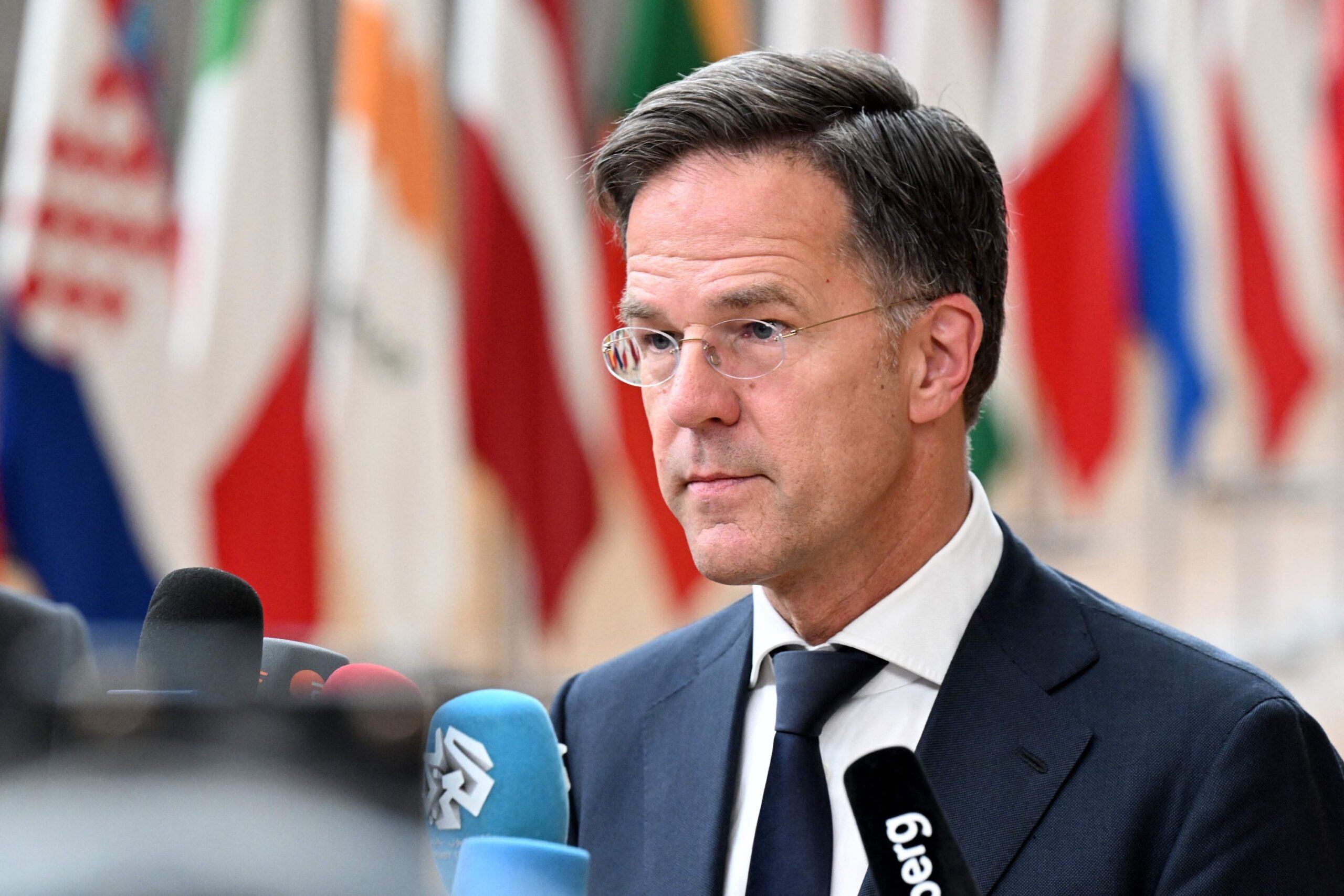
As tensions between Israel and Iran intensified on Monday with fresh waves of attacks exchanged by both sides, NATO Secretary General Mark Rutte reaffirmed the alliance’s long-standing position that Iran must not be allowed to obtain nuclear weapons.
Speaking ahead of the NATO summit scheduled to begin Tuesday in The Hague, Rutte stressed that member states remained united in their stance against Iran’s nuclear ambitions, despite the ongoing crisis in the Middle East.
“When it comes to NATO’s stance on Iran’s nuclear programme, allies have long agreed that Iran must not develop a nuclear weapon,” Rutte declared, emphasizing the alliance’s consistent position on the matter.
His remarks came as speculation mounted over how the escalating hostilities between Tehran and Tel Aviv might influence the summit’s agenda or draw attention away from other pressing security issues, particularly the war in Ukraine.
Rutte dismissed any notion that the conflict in the Middle East would overshadow the summit, making it clear that NATO would continue to focus on all global security threats.
He also condemned Iran’s role in supporting Russia’s invasion of Ukraine, highlighting the deployment of Iranian-manufactured drones in civilian areas. “Iranian drones are killing innocent Ukrainians every day in cities, in communities without any respect for life,” he said.
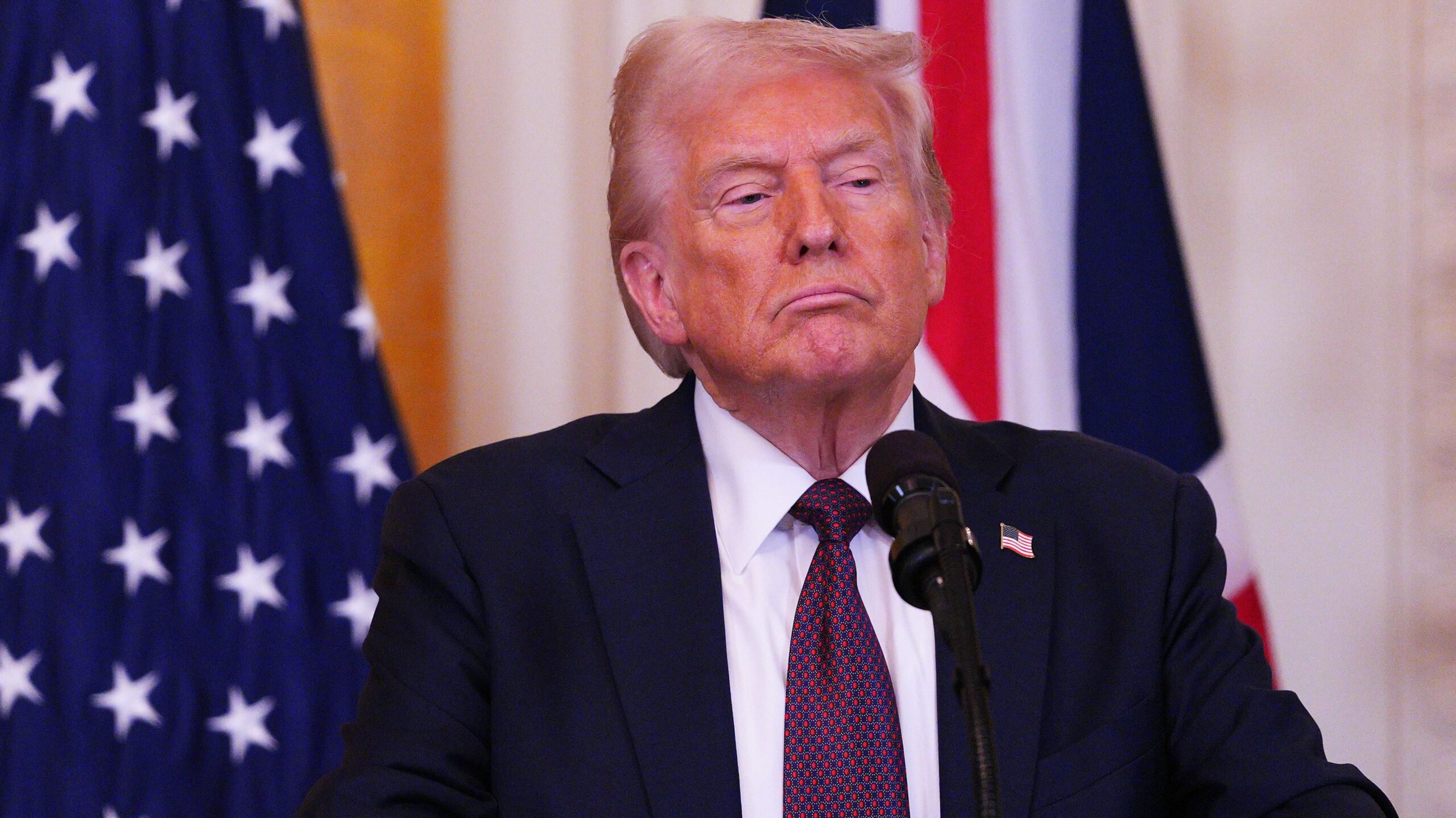
The comments follow a weekend of intensified military action, during which U.S. President Donald Trump confirmed that American forces had deployed “bunker buster” bombs in strikes targeting Iran’s nuclear sites.
According to Trump, the weapons had “obliterated” key facilities. However, while Trump painted a picture of decisive action, other international officials urged caution, noting that the actual impact on Iran’s nuclear programme was not yet fully understood.
Tehran has strongly condemned the U.S. strikes, warning that they could escalate the conflict and drag the wider region into chaos. Iranian authorities vowed to respond and described the American assault as an act that would “pave the way for the extension of war in the region” while promising “serious, unpredictable consequences.”
The air campaign, launched by Israel on June 13, has led to significant casualties. According to Iran’s Ministry of Health, over 400 people have died as a result of Israeli attacks. In contrast, Iran’s retaliatory strikes have killed at least 24 people in Israel, according to figures released by Israeli authorities.
Iran’s supreme leader, Ayatollah Ali Khamenei, weighed in on the crisis, calling Israel’s bombing campaign “a big mistake.” His remarks reflect a growing consensus within Tehran’s leadership that the conflict is far from over and may lead to broader regional repercussions.
As global powers continue to assess the rapidly evolving situation, Rutte’s statements offer a window into NATO’s resolve to prevent nuclear proliferation while managing the broader implications of the Iran-Israel crisis. With the summit in The Hague on the horizon, the world’s attention remains fixed on the delicate balance of deterrence, diplomacy, and defense.
What you should know
NATO Secretary General Mark Rutte reaffirmed the alliance’s firm position that Iran must not acquire nuclear weapons. While condemning Iran’s military support for Russia in Ukraine, Rutte dismissed concerns that the Iran-Israel conflict would distract from NATO’s summit.
The situation remains volatile following U.S. airstrikes on Iran’s nuclear sites and Iran’s vow to retaliate.