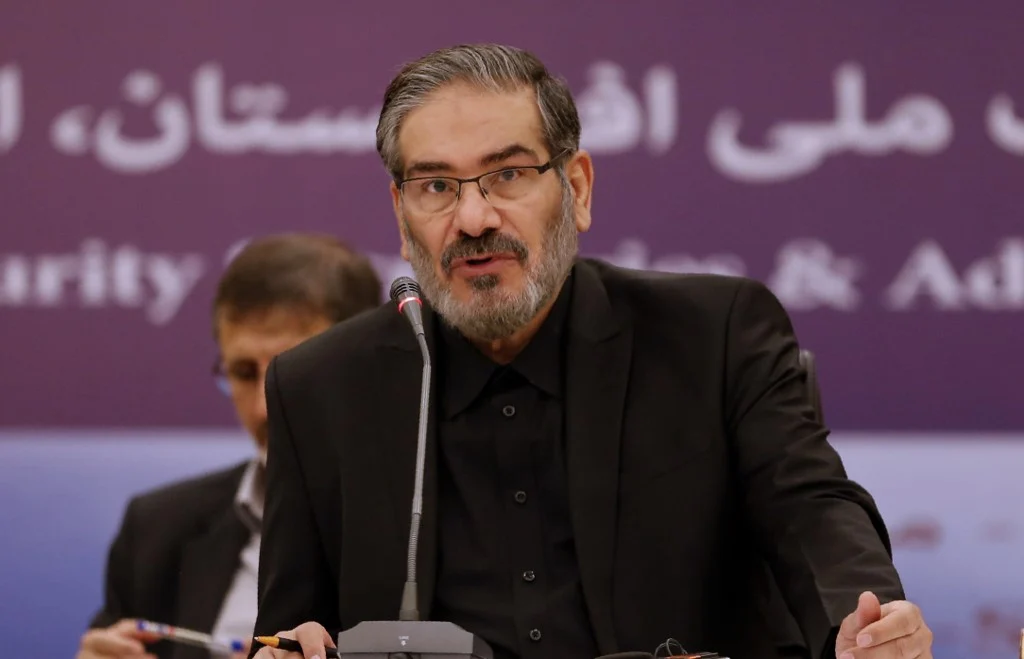
Iran maintains it has retained control of its enriched uranium stockpile despite coordinated strikes by the United States on major nuclear facilities, and Israeli air raids on military sites in central Iran, as tensions in the region intensify.
Ali Shamkhani, a top adviser to Supreme Leader Ayatollah Ali Khamenei, asserted Iran’s resilience in a defiant post on X (formerly Twitter), saying, “Even if nuclear sites are destroyed, game isn’t over, enriched materials, indigenous knowledge, political will remain.” He further emphasized that Iran still held the strategic upper hand, declaring that “the political and operational initiative is now with the side that plays smart, avoids blind strikes. Surprises will continue!”
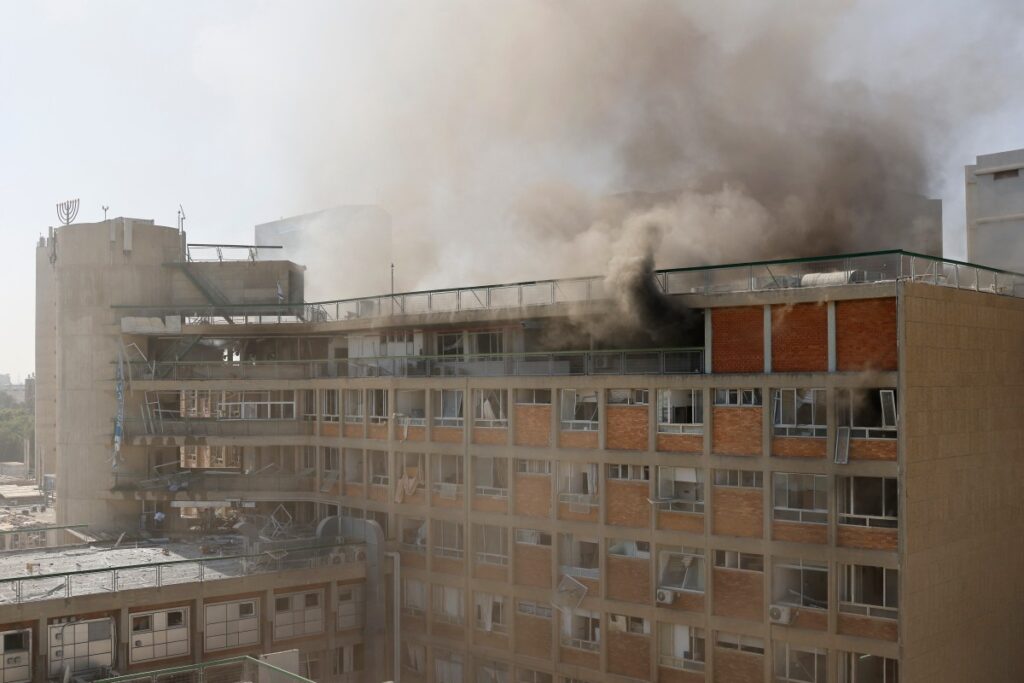
Shamkhani’s remarks come as global attention shifts to the aftermath of US airstrikes that targeted nuclear sites in Iran, including Fordow, Natanz, and Isfahan—facilities central to Iran’s controversial nuclear program.
US President Donald Trump had earlier announced that the strikes were a “very successful” military operation, using bunker-busting bombs to hit underground uranium enrichment facilities. Despite the dramatic nature of the attacks, Iran insists its nuclear capabilities remain intact.
Meanwhile, Iran’s newly elected President, Masoud Pezeshkian, issued a strong condemnation of the strikes during a phone conversation with French President Emmanuel Macron. “The Americans must receive a response to their aggression,” Pezeshkian said, according to Iran’s official news agency, IRNA. His comments mark the clearest indication yet that Iran is preparing a countermeasure in response to what it perceives as an escalation in hostilities from Washington.
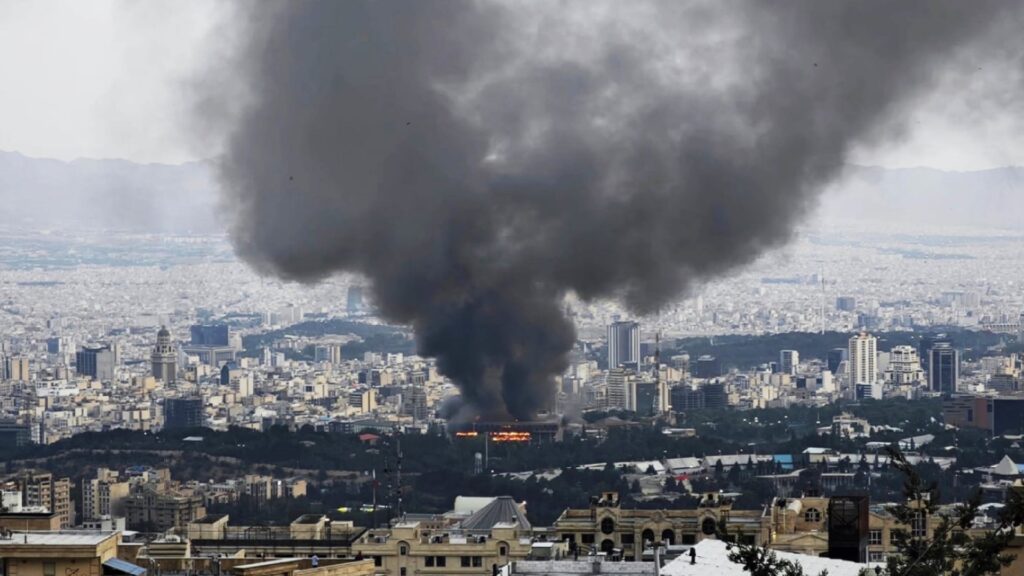
The situation grew more volatile on Sunday as Iranian media reported Israeli strikes on military targets in Yazd, a city located in central Iran. According to the semi-official Tasnim news agency, at least nine members of the Islamic Revolutionary Guard Corps (IRGC)—seven personnel and two conscripts—were killed in the attack. The IRGC, a powerful branch of Iran’s armed forces, confirmed the casualties and noted that several others had been injured. The Fars news agency also reported that two military facilities were targeted in the strikes.
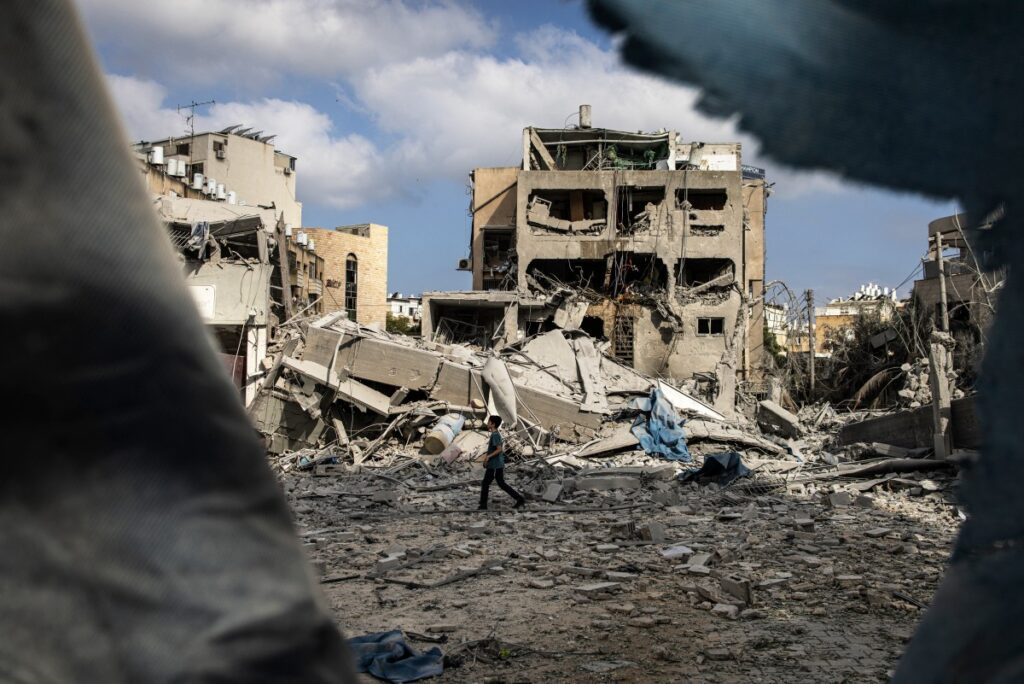
This is the latest episode in a rapidly escalating conflict that has seen both the US and Israel increase pressure on Tehran. While Washington’s involvement focuses on dismantling nuclear infrastructure, Israel appears to be targeting Iran’s military backbone. Iranian officials have condemned the dual assaults as a coordinated effort to weaken the country’s defense and deterrence capabilities.
While President Pezeshkian calls for a response and Shamkhani speaks of “surprises,” analysts caution that the risk of broader regional conflict is growing. Yet despite the significant loss of life and strategic damage, Iran’s leadership continues to project an image of control, resilience, and readiness to retaliate.
What you should know
Despite US airstrikes on Iran’s nuclear sites and Israeli attacks on military facilities, Iranian officials say their enriched uranium stockpile and nuclear knowledge remain intact. Top figures, including President Pezeshkian and adviser Ali Shamkhani, have vowed a response, signaling possible retaliation amid rising regional tensions.