The conflict between Israel and Iran has intensified significantly, entering its seventh day with heavy missile exchanges and unprecedented attacks on sensitive locations, including medical and nuclear facilities.
Hospital in Beersheba Struck
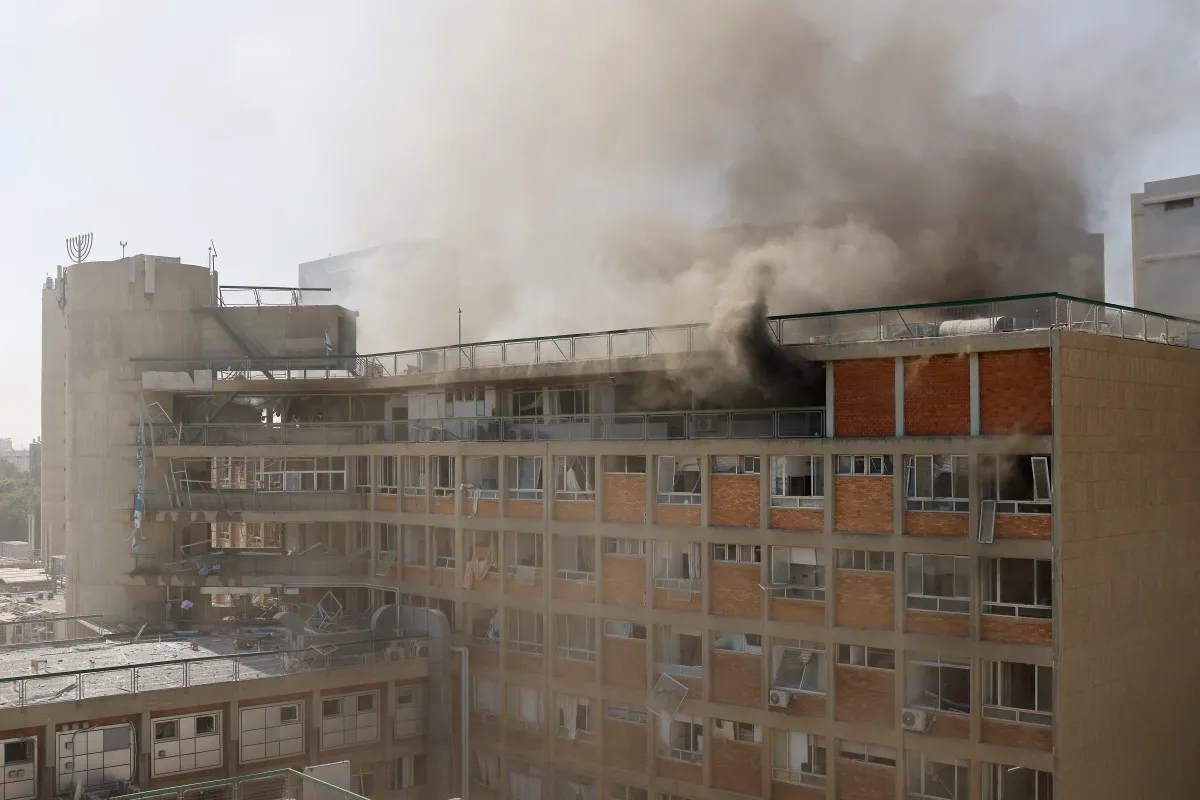
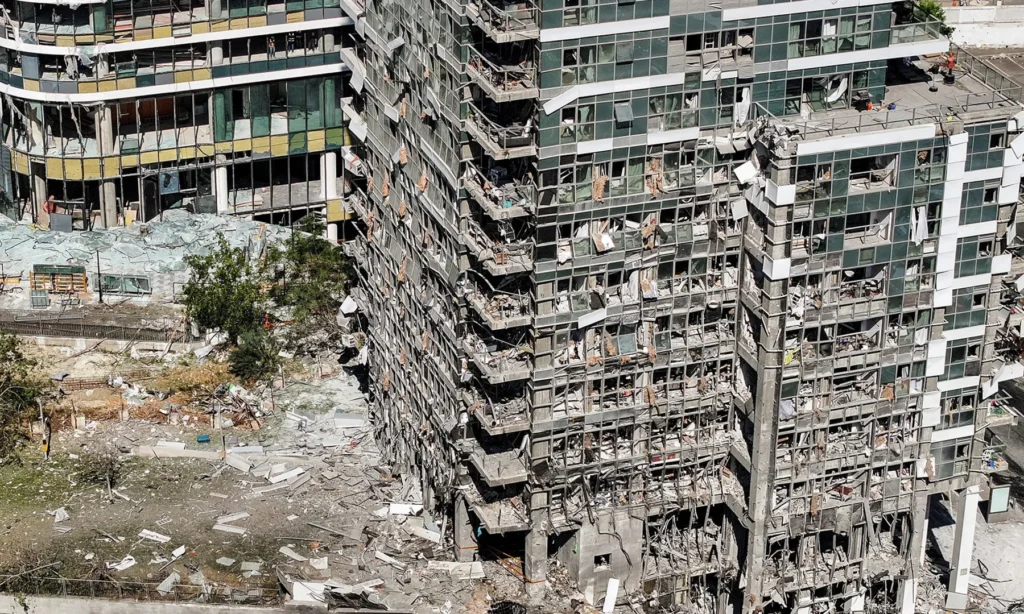
A missile strike from Iran hit the Soroka Medical Centre in Beersheba, Israel, on Thursday. Though Iran claimed it was targeting a nearby military installation, the Israeli Health Ministry reported 271 injuries, and local authorities described the damage as extensive. Several hospital wards were destroyed, prompting the evacuation of around 200 patients to other facilities.
Israel’s Deputy Foreign Minister, Sharren Haskel, condemned the strike, calling it “deliberate” and “criminal,” highlighting Soroka’s role as the main hospital for the Negev region. Defence Minister Israel Katz visited the damaged facility and declared that Iran’s Supreme Leader “can no longer be allowed to exist.”
Retaliation: Israel Strikes Iran’s Nuclear Sites
In response, Israel launched missile strikes on Iranian nuclear infrastructure, including the Arak heavy water reactor and the Natanz nuclear facility. While Iran confirmed projectiles hit near Arak, it reported no radiation leaks. Israel claims the Natanz site contained “unique components and equipment used to develop nuclear weapons.”
Before the strike, the Israeli military advised civilians in Arak and Khondab to evacuate. Israeli authorities allege Iran has taken recent steps to weaponise its enriched uranium stockpile, although Iran insists its nuclear program remains strictly peaceful.
Civilian Areas Hit, Casualties Mount
Beyond military targets, Iran’s missiles struck the business district of Ramat Gan, near Tel Aviv, where falling debris from a skyscraper injured at least 20 people. In Beersheba, BBC correspondents described collapsed ceilings, shattered windows, and fire damage at Soroka Hospital.
International Fallout and U.S. Response
The situation is drawing global concern. Iran’s armed forces vowed an unlimited response, and Tehran has filed a complaint with the UN nuclear watchdog, accusing Israel of violating international laws prohibiting attacks on nuclear sites.
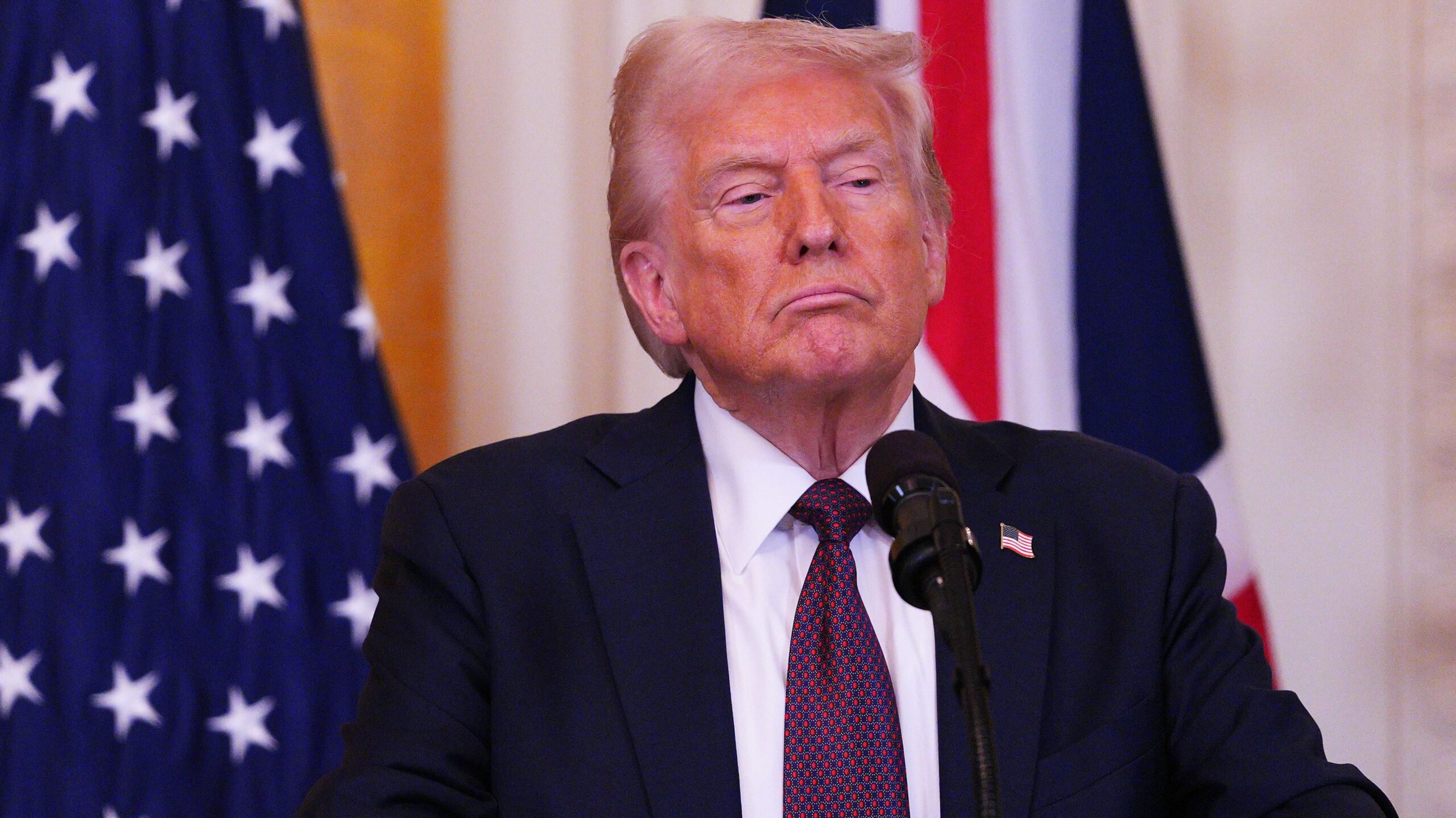
Meanwhile, US President Donald Trump, in office amid the crisis, is considering direct American involvement. While Trump has approved military options, he has not committed to action, stating, “I may do it, I may not do it.”
Iran’s Deputy Foreign Minister, Kazem Gharibabadi, warned the US against intervention, stating that Tehran would be forced to “teach aggressors a lesson” if Washington sides with Israel. Supreme Leader Ali Khamenei has rebuffed calls to de-escalate, reaffirming Iran’s resolve.
What You Should Know
The Israel-Iran conflict has reached a dangerous new phase. Iran’s missile hit on an Israeli hospital and Israel’s retaliatory strike on nuclear sites mark serious escalations. With hundreds injured, nuclear fears rising, and the US considering military involvement, the region teeters on the brink of a wider war.