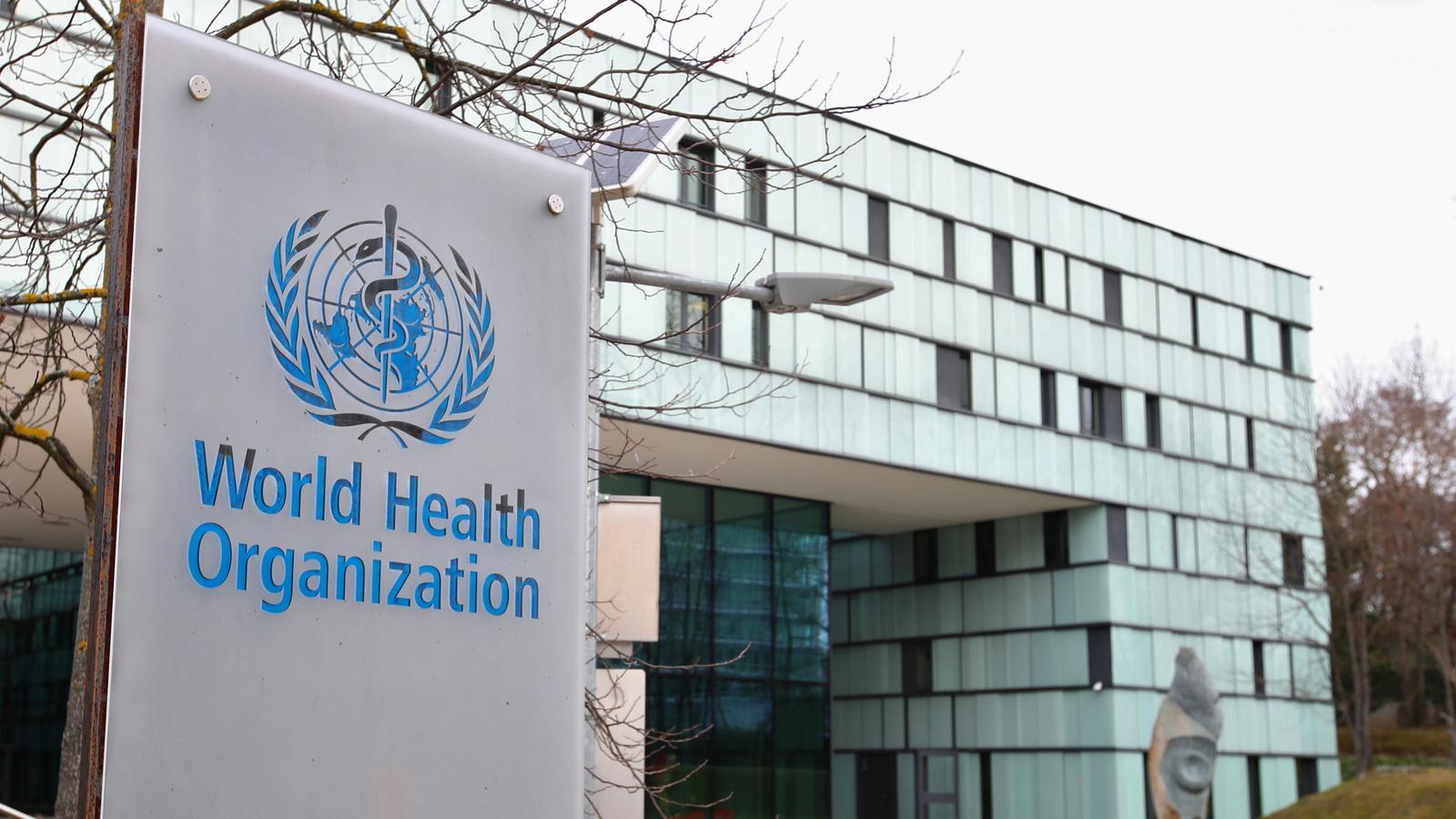
The World Health Organization (WHO) has issued an urgent appeal for thousands of Gazans in critical condition to be allowed to leave the enclave for medical care, describing such an intervention as a potential “game-changer” in addressing the ongoing humanitarian emergency.
Since the war between Israel and Gaza began two years ago, the WHO has coordinated the evacuation of nearly 7,800 patients from the territory. However, the organization estimates that over 15,000 people are still in dire need of treatment outside Gaza’s overwhelmed medical system.
Despite the implementation of a US-brokered ceasefire on October 10, the process of medical evacuations has not seen any significant acceleration. According to WHO officials, only 41 patients in critical condition have been successfully evacuated since the ceasefire took effect.
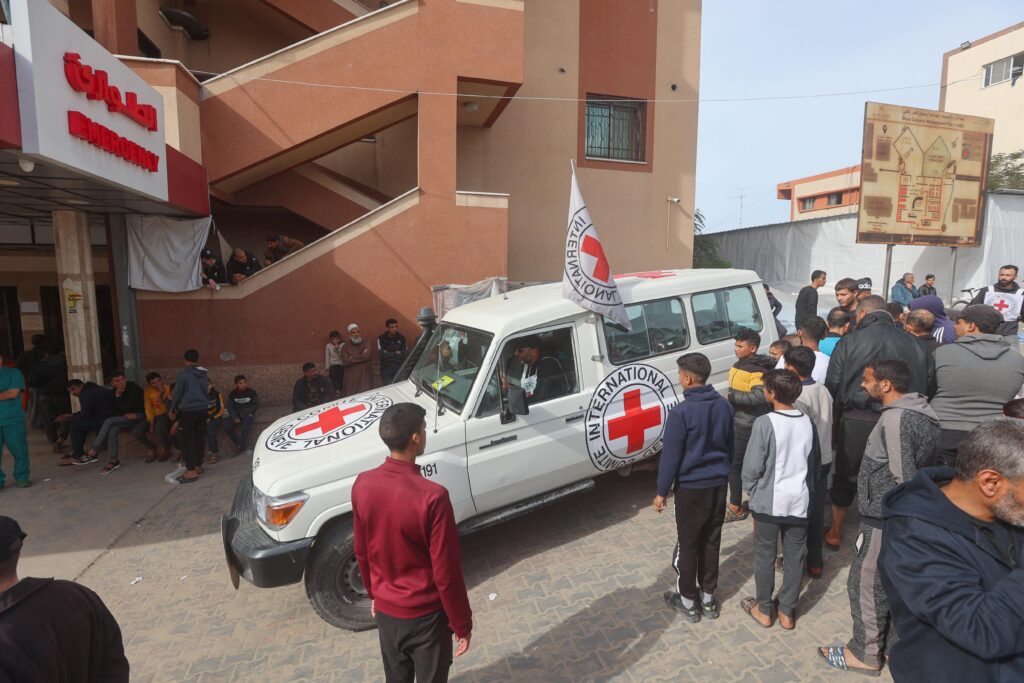
Rik Peeperkorn, WHO’s representative in the Palestinian territories, called for all border crossings—both into Israel and Egypt—to be opened for humanitarian purposes, emphasizing that medical evacuations must be prioritized alongside the delivery of aid.
“All medical corridors need to be opened,” he insisted, stressing the importance of facilitating patient transfers to hospitals in the West Bank and East Jerusalem, a practice that was routine before the war erupted.
“It is vital and is the most cost-effective route. If that route opened, it would really be a… game-changer,” Peeperkorn said.
Speaking via video link from Jerusalem during a briefing in Geneva, he revealed that two evacuations were planned for next week. However, he emphasized that the WHO’s goal was to conduct evacuations daily, adding that the agency was prepared to move “a minimum of 50 patients per day.”
At the current rate, Peeperkorn warned, it would take nearly a decade to evacuate all 15,000 patients in need of care—a number that includes approximately 4,000 children.
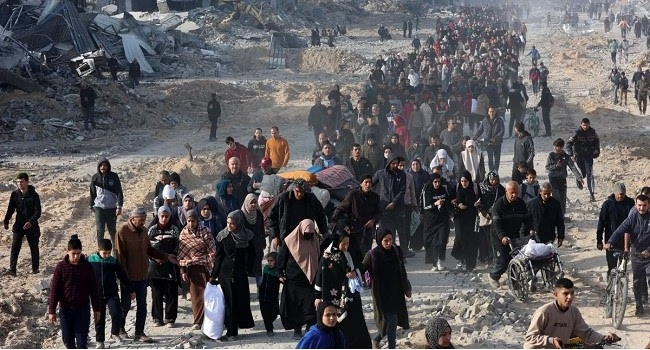
The WHO also reported that more than 700 people have died while waiting to be evacuated since the onset of the war, underscoring the deadly consequences of delayed access to treatment.
The UN health agency has called on more nations to step forward and accept patients from Gaza. While over 20 countries have taken in individuals requiring urgent care, only a few have done so on a large scale.
Peeperkorn further noted that Gaza’s healthcare infrastructure is on the brink of collapse. Of the 36 hospitals that existed before the conflict, only 14 remain partially functional, serving a population of over two million people.
What you should know
The World Health Organization’s call to open medical corridors highlights the worsening humanitarian crisis in Gaza, where thousands remain trapped without access to adequate healthcare.
Despite the ongoing ceasefire, medical evacuations have been painfully slow, and the health system is collapsing under immense pressure. With over 700 lives already lost while waiting for evacuation, WHO’s plea reflects the urgency of global action.
The situation underscores the need for sustained humanitarian access, cross-border cooperation, and international responsibility in providing life-saving medical relief to Gaza’s most vulnerable citizens.