President Donald Trump set tongues wagging at the White House’s Black History Month Reception by showering rap superstar Nicki Minaj with praise, and she’s clearly returning the favor.
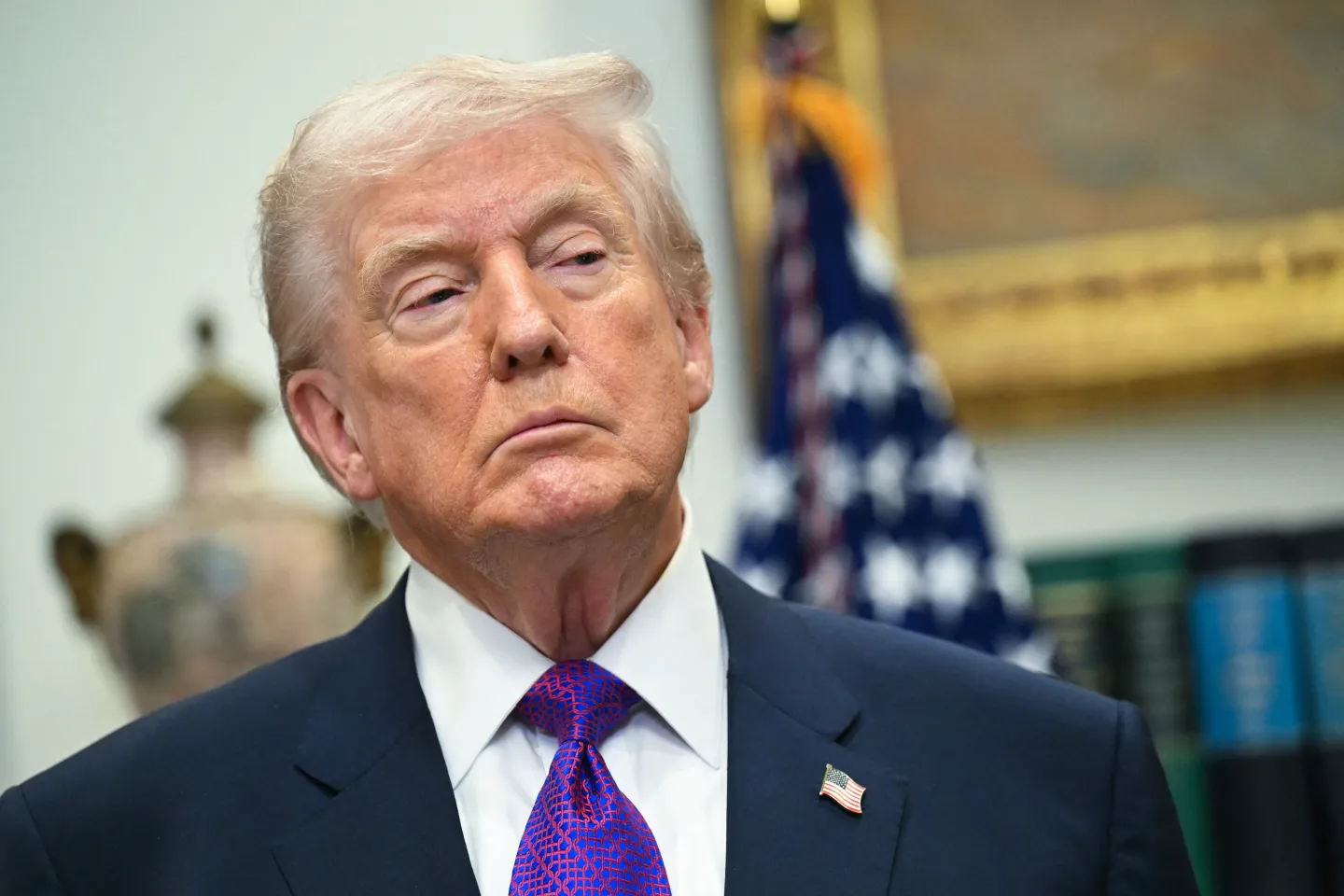
Speaking before a gathered crowd at the storied Pennsylvania Avenue residence, the President departed from traditional ceremonial remarks to heap compliments on the Trinidad-born rapper, born Onika Tanya Maraj-Petty, who he confirmed had visited the White House in recent weeks.
“How about Nicki Minaj? Do we love Nicki Minaj? I love Nicki Minaj.” Trump declared to the audience, his trademark enthusiasm on full display. “She was here a couple of weeks ago. She’s so beautiful. I said, ‘Nicki, you’re so beautiful.’ Her nails are like that long—I said, ‘Nicki, are they real?’ She didn’t want to get into that. But she was so beautiful and so great, and she gets it, more importantly.”
That last phrase—she gets it—is likely to generate as much conversation as the compliments themselves, widely interpreted by political observers as a signal that Minaj, one of the best-selling female rap artists in history, aligns herself, at least to some degree, with the Trump administration’s worldview.
The public praise at such a symbolically charged event—Black History Month, a tradition observed at the White House since the Reagan administration—underscores what appears to be a growing rapport between the 47th president and one of hip-hop’s most globally recognized figures.
Minaj’s previous White House visit, though not officially announced, now takes on new significance in light of Trump’s comments. It raises questions about the nature of their discussions and whether the rapper, who commands tens of millions of followers across social media platforms, could play any role in the administration’s broader outreach efforts to the Black community.
If Trump’s remarks left any doubt about where Minaj stands, the rapper appeared to answer—albeit with her signature brand of irreverence—on Presidents’ Day, Monday, February 16th.
Taking to social media, Minaj posted an AI-generated image depicting herself cruising in a convertible alongside President Trump, the pair seemingly counting stacks of money as they rode. The post, lighthearted in tone, quickly went viral, racking up hundreds of thousands of reactions and igniting fierce debate online about celebrity political affiliations and the boundaries between entertainment and endorsement.
For Minaj, a figure who has never been shy about courting controversy, the post seemed carefully calculated—equal parts humor, provocation, and political signaling.
The optics of the president’s remarks at a Black History Month event have not gone unnoticed. Critics were swift to point out the irony of an administration that has faced sustained criticism over its racial equity policies using the occasion to spotlight a celebrity relationship rather than substantive policy commitments to Black Americans.
Supporters, however, argue that Minaj’s apparent proximity to the administration represents exactly the kind of cultural bridge-building that Trump’s second term has sought to pursue, particularly following his improved performance among Black male voters in the 2024 presidential election.
Nicki Minaj, for her part, has historically been difficult to pin down politically. While she has previously expressed support for LGBTQ+ rights and voiced concerns about vaccine mandates—views that cut across conventional political lines—she has increasingly moved in circles that suggest a closer alignment with conservative figures.
Whether this represents the beginning of a more formal relationship between Minaj and the Trump White House or simply the latest episode in America’s long, complicated relationship between political power and celebrity culture remains to be seen.
What is clear is that the President of the United States used one of the most historically significant events on the White House calendar to tell the world he finds Nicki Minaj beautiful—and Nicki Minaj responded by putting herself in the passenger seat.
In Washington, as in hip-hop, few moves are ever entirely accidental.
WHAT YOU SHOULD KNOW
At the White House Black History Month Reception, President Trump publicly praised rapper Nicki Minaj, calling her “beautiful” and noting she “gets it”—a remark widely read as suggesting her alignment with his administration. Minaj appeared to reciprocate the sentiment by posting an AI-generated image of herself alongside Trump on Presidents’ Day.
While the moment drew criticism for overshadowing substantive Black History Month discourse, it signals a potentially significant and deliberate cultural alliance between one of hip-hop’s biggest stars and the most powerful political office in the world—one that could carry real implications for Trump’s ongoing outreach to Black voters.