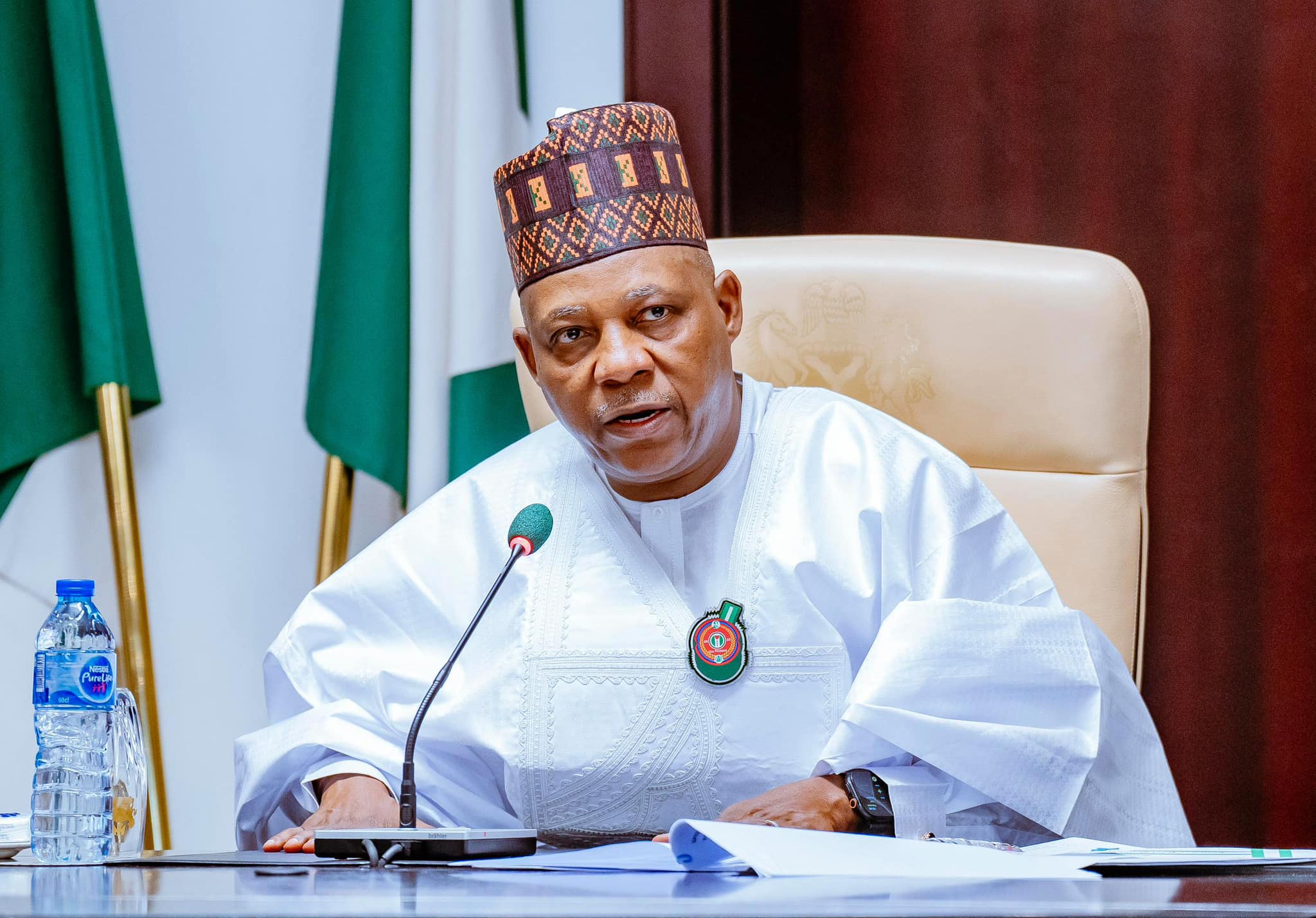
Vice President Kashim Shettima is set to formally inaugurate a three-day national summit on nutrition and food security on Monday, July 7, 2025, at the National Assembly Complex in Abuja.
Themed “Curbing Malnutrition and Food Insecurity Through Effective Synergy,” the summit is being organised by the House of Representatives Committee on Nutrition and Food Security, chaired by lawmaker Chike Okafor.
At a press briefing held on Thursday in Abuja, Okafor emphasized that the summit will be a platform for multi-sectoral collaboration aimed at finding practical solutions to Nigeria’s worsening food insecurity and malnutrition crisis. Scheduled to run from July 7 to July 9, 2025, the event will feature participants from various government agencies, development partners, civil society groups, and the private sector.
One of the key components of the summit will be a special session on the role of security in achieving food security. Okafor announced that top security chiefs—including the heads of the Nigerian Police, Department of State Services (DSS), Civil Defence, and the Chief of Army Staff—are expected to appear on the second day of the summit to discuss measures being taken to protect farmers across the country.
“You can’t talk about food security without addressing the fact that today, farmers cannot go to their farms due to insecurity,” Okafor noted. “We are insisting they come and tell Nigerians what they are doing to ensure that farmers can go to their farms without being harassed, killed, or molested.”
Among the dignitaries and stakeholders expected at the summit are the Chairman of the APC Governors’ Forum and Governor of Imo State, Hope Uzodimma; Governor Mohammed Bago of Niger State; members of the National Assembly and State Houses of Assembly; and officials from key ministries, including health, agriculture, education, finance, and planning.
Development organisations such as UNICEF, the Food and Agriculture Organisation (FAO), World Food Programme (WFP), Global Alliance for Improved Nutrition (GAIN), the Bill and Melinda Gates Foundation, and Civil Society Scaling Up Nutrition in Nigeria (CS-SUNN) will also participate.
According to Okafor, the summit will not serve as a symbolic event but is designed to produce actionable results. “Despite decades of national policies and sectoral programmes aimed at improving nutrition and food systems, Nigeria continues to grapple with alarming rates of malnutrition and food insecurity,” he said.
He pointed out that children under five, pregnant and nursing mothers, and vulnerable rural populations remain the most affected. He further attributed the crisis to multiple systemic issues, including climate change, insecurity in key food-producing regions, poor infrastructure for food storage and distribution, and insufficient investment in both nutrition-specific and nutrition-sensitive initiatives.
Okafor outlined the major goals of the summit, which include strengthening the legislative framework for nutrition and food security at both federal and state levels, improving budgetary allocations and tracking mechanisms, crafting actionable policy reform recommendations, and formulating a roadmap for the domestication and implementation of nutrition policies nationwide.
Also speaking at the press event, House spokesman Akin Rotimi praised the committee’s leadership and reinforced the commitment of the House of Representatives to adopting a comprehensive strategy. “This is a holistic approach that brings stakeholders together to tackle the multiple dimensions of food insecurity and malnutrition,” he said.
As anticipation builds for the summit, stakeholders and observers are hoping it will mark a turning point in the country’s long battle against food scarcity, rising malnutrition rates, and systemic weaknesses in agricultural and nutrition policy implementation.
What you should know
The three-day summit on nutrition and food security, to be declared open by Vice President Shettima on July 7, aims to generate concrete legislative and policy action.
It brings together security agencies, lawmakers, development partners, and ministries to address Nigeria’s growing malnutrition and food crisis, with insecurity and climate change highlighted as major contributing factors.