The Senate Committee on Public Accounts has summoned the immediate past Group Chief Executive Officer of the Nigerian National Petroleum Company Limited (NNPCL), Mele Kyari, alongside former Chief Financial Officer Umar Ajia Isa and former Group General Manager of the National Petroleum Investment Management Services (NAPIMS), Bala Wunti, over an alleged N210 trillion not properly accounted for by the national oil company between 2017 and 2023.
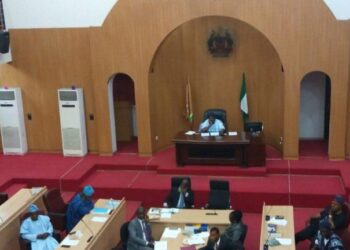
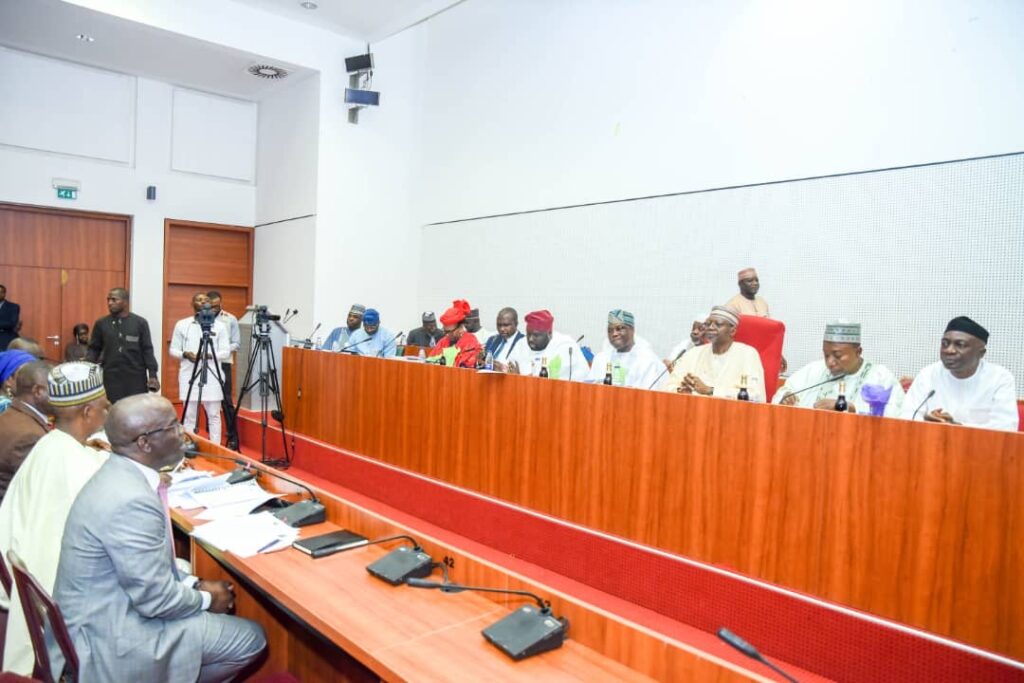
The committee, headed by Aliyu Wadada, the senator representing Nasarawa West, issued the summons on Thursday after examining audit queries linked to the financial records of the state-owned oil firm.
Wadada stated that the committee would issue a warrant of arrest against the former management officials if they fail to honour the invitation on a date that will be communicated to them.
He further disclosed that the former executives are required to appear before the committee together with the current leadership of the NNPCL led by the Group Chief Executive Officer, Bayo Ojulari. The panel also directed that the external auditors who handled the company’s accounts during the period under review must attend the hearing.
While briefing journalists on the resolutions reached by the committee, Wadada said the panel had instructed the NNPCL to provide full explanations regarding the combined sum of N210 trillion, made up of N103 trillion and N107 trillion, which were flagged in audit reports.
“NNPCL should refund the sum of N210 trillion, being the combined sum of N103 trillion and N107 trillion, which were not properly accounted for as contained in the audit reports. NNPCL should and must account for the two figures,” he said.
The committee also directed the oil company to remit to the national treasury all production costs that were charged against crude oil revenue during the period under investigation. According to the panel, the NNPC and its subsidiaries, including NAPIMS, are not directly responsible for producing crude oil.
Wadada explained that the committee arrived at the resolutions after the NNPCL failed to give satisfactory responses to 19 audit queries raised against the company.
According to him, the oil firm had explained that the N103 trillion represented cumulative spending by joint venture partners through JV cash calls between 2017 and 2023. However, the committee rejected the explanation, describing it as unacceptable.
He also noted that the company listed another N107 trillion in its audited financial statements as subsidy receivables and various debts as of December 2023. The firm claimed the funds were owed by several banks and other entities.
“When put together, NNPCL needs to properly account for the N210 trillion,” Wadada said.
The committee also questioned the reported spending of N5 billion used to facilitate the transition of the company’s name from the Nigerian National Petroleum Corporation (NNPC) to the Nigerian National Petroleum Company Limited (NNPCL).
“This, to us in the committee, is unacceptable and satisfactory explanations must be given,” Wadada said.
He further directed the Office of the Auditor-General for the Federation to carry out a forensic audit of the company’s financial statements covering the years under review in accordance with Section 85 of the 1999 Constitution of Nigeria (as amended).
Despite the concerns raised during the investigation, the committee reaffirmed its support for the administration of Bola Ahmed Tinubu, noting that the government remains committed to ensuring transparency, accountability and proper management of public funds.
What you should know
The Nigerian National Petroleum Company Limited is Nigeria’s state-owned oil corporation and plays a central role in the country’s petroleum sector.
The company transitioned from the Nigerian National Petroleum Corporation to a limited liability company following reforms introduced by the Petroleum Industry Act.
Allegations surrounding unaccounted funds and audit discrepancies have frequently attracted scrutiny from lawmakers and oversight bodies.
The Senate probe into the N210 trillion audit gap highlights ongoing efforts by the National Assembly to enforce accountability within the oil sector and ensure that revenues generated from Nigeria’s crude oil resources are properly documented and managed.