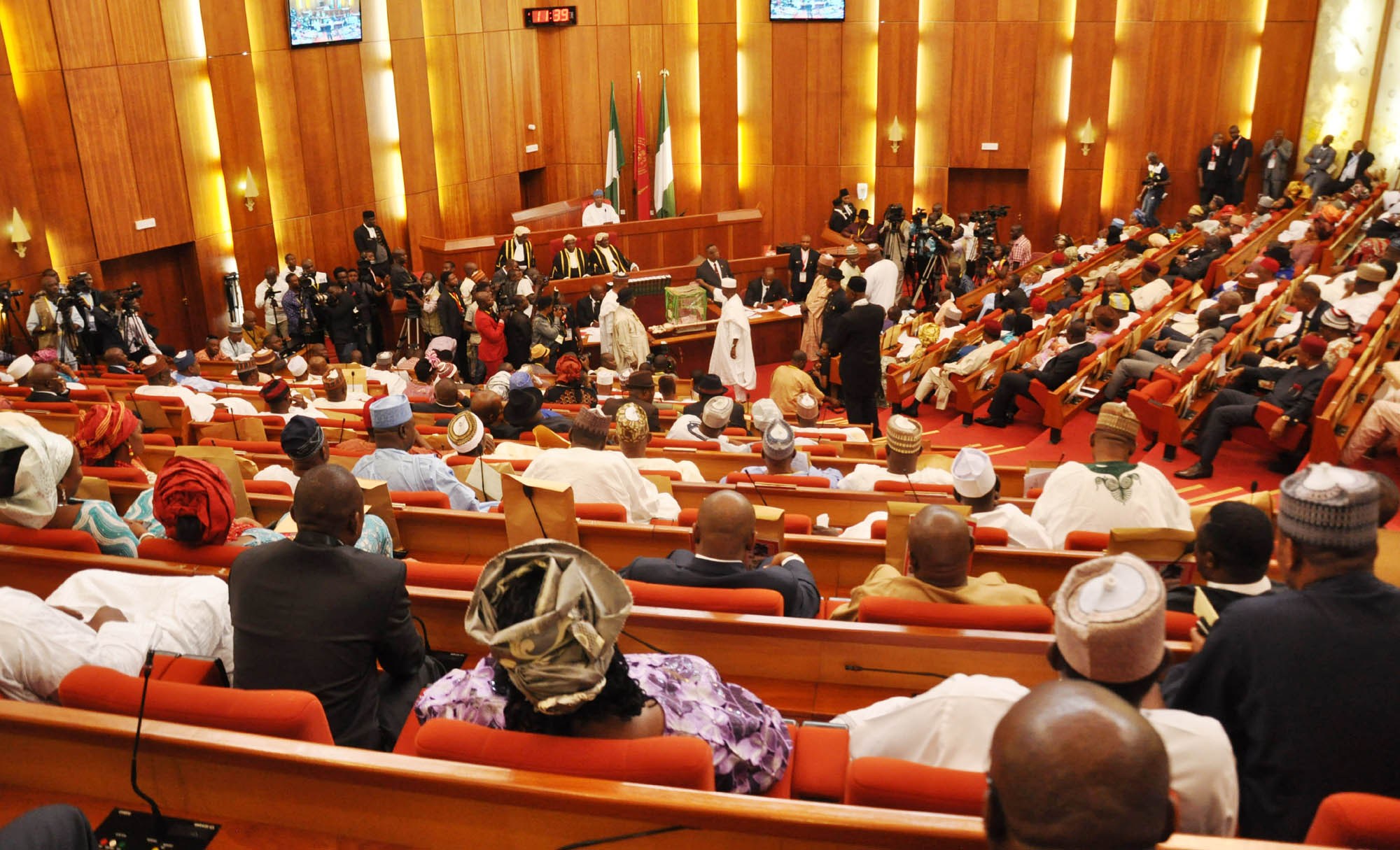
The Senate has approved the appointments of Oritsemeyiwa Eyesan as the Chief Executive Officer of the Nigerian Upstream Petroleum Regulatory Commission (NUPRC) and Saidu Mohammed as the Chief Executive Officer of the Nigerian Midstream and Downstream Petroleum Regulatory Authority (NMDPRA).
The confirmations followed the adoption of a report submitted by a joint committee chaired by Senator Abdulrahman Kawu, after the nominees were screened by lawmakers.

The development comes days after Farouk Ahmed resigned as the managing director of the NMDPRA, while Gbenga Komolafe also stepped down as chief executive of the NUPRC. The resignations followed allegations of corruption and financial impropriety raised by the Chairman of the Dangote Group, Aliko Dangote.
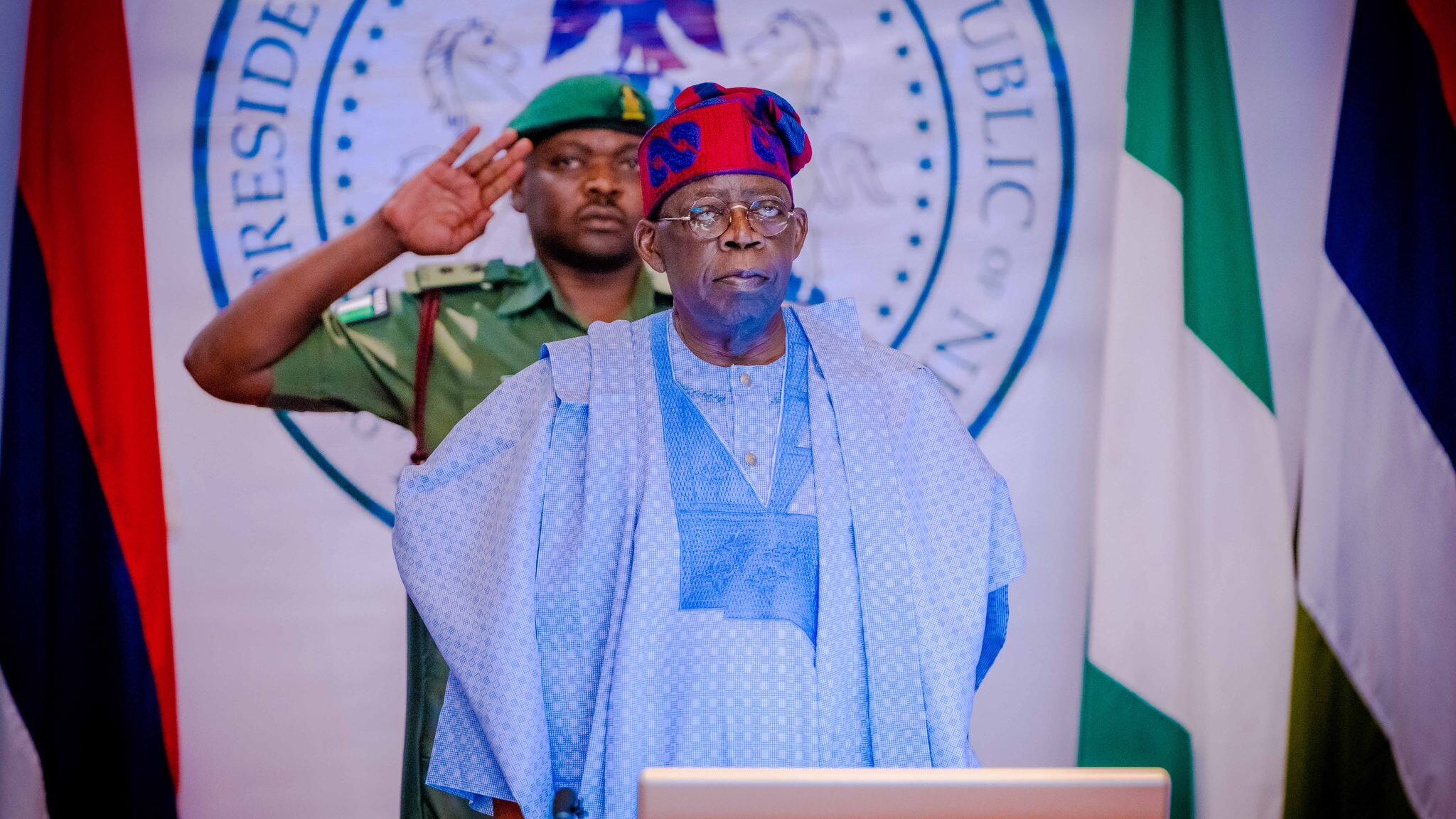
Presidential spokesman, Bayo Onanuga, had earlier disclosed the resignations in a statement, adding that President Bola Tinubu subsequently wrote to the Senate requesting the expedited confirmation of Eyesan and Mohammed to ensure continuity in the leadership of the regulatory agencies.
According to the Presidency, the two appointees are “seasoned professionals” with extensive experience in the oil and gas sector, capable of steering the regulatory bodies at a critical time for Nigeria’s energy industry.
The leadership changes are unfolding against the backdrop of serious allegations levelled against the former NMDPRA chief by Dangote, who petitioned the Independent Corrupt Practices and Other Related Offences Commission (ICPC) over alleged corruption.
In the petition submitted through his lawyer, Ogwu Onoja, Dangote accused Ahmed of living beyond his legitimate income and asked the anti-graft agency to arrest, investigate, and prosecute him. The petition alleged that four of Ahmed’s children attended secondary schools in Switzerland at a cost of several millions of dollars, with claims that about $5 million was spent on their education and upkeep over six years, alongside an additional $2 million for tertiary education.
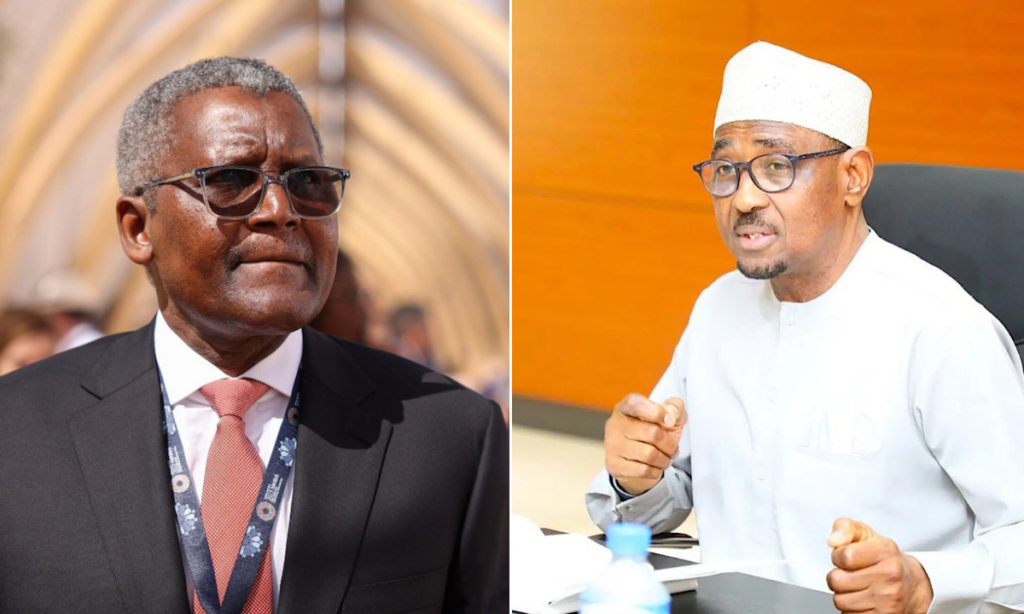
Dangote further alleged that one of Ahmed’s children was enrolled in a 2025 Harvard MBA programme at an estimated cost of $210,000, listing the names of the children and the schools they reportedly attended.
“We have no reservation that, being a matter that is in the public domain, the Commission will not close its eyes to it but act decisively to ensure that justice is done and the good image of the administration of President Bola Ahmed Tinubu is protected,” part of the petition read.
The ICPC has acknowledged receipt of the petition and stated that it would be “duly investigated.”
Beyond the personal allegations, Dangote had also accused the NMDPRA leadership under Ahmed of economic sabotage, alleging that regulatory actions were undermining local refining capacity. Speaking at a press conference at the Dangote Refinery in Lagos, he claimed that the continued issuance of import licences for petroleum products was frustrating domestic refiners and sustaining Nigeria’s dependence on imports. He further alleged collusion between the regulator and international traders to the detriment of local operators.
Ahmed, however, dismissed the allegations, describing them as “wild and spurious.”
“While I am aware of the wild and spurious allegations made against me and my family and the frenzy it has generated, as a regulator of a sensitive industry, I have opted not to engage in public brickbat,” he said.
What you should know
The Senate’s confirmation of new leadership for the NUPRC and NMDPRA marks a critical reset for Nigeria’s petroleum regulatory framework at a time of heightened scrutiny.
The appointments come amid serious corruption allegations involving the former NMDPRA chief, which have drawn national attention and prompted an ICPC investigation. Beyond individual claims, the controversy has highlighted deeper tensions between regulators and major industry players over import licences, local refining, and energy policy direction.
The new CEOs are expected to restore confidence, ensure transparency, and balance regulation with the government’s broader goals of boosting local refining and protecting Nigeria’s oil and gas sector.