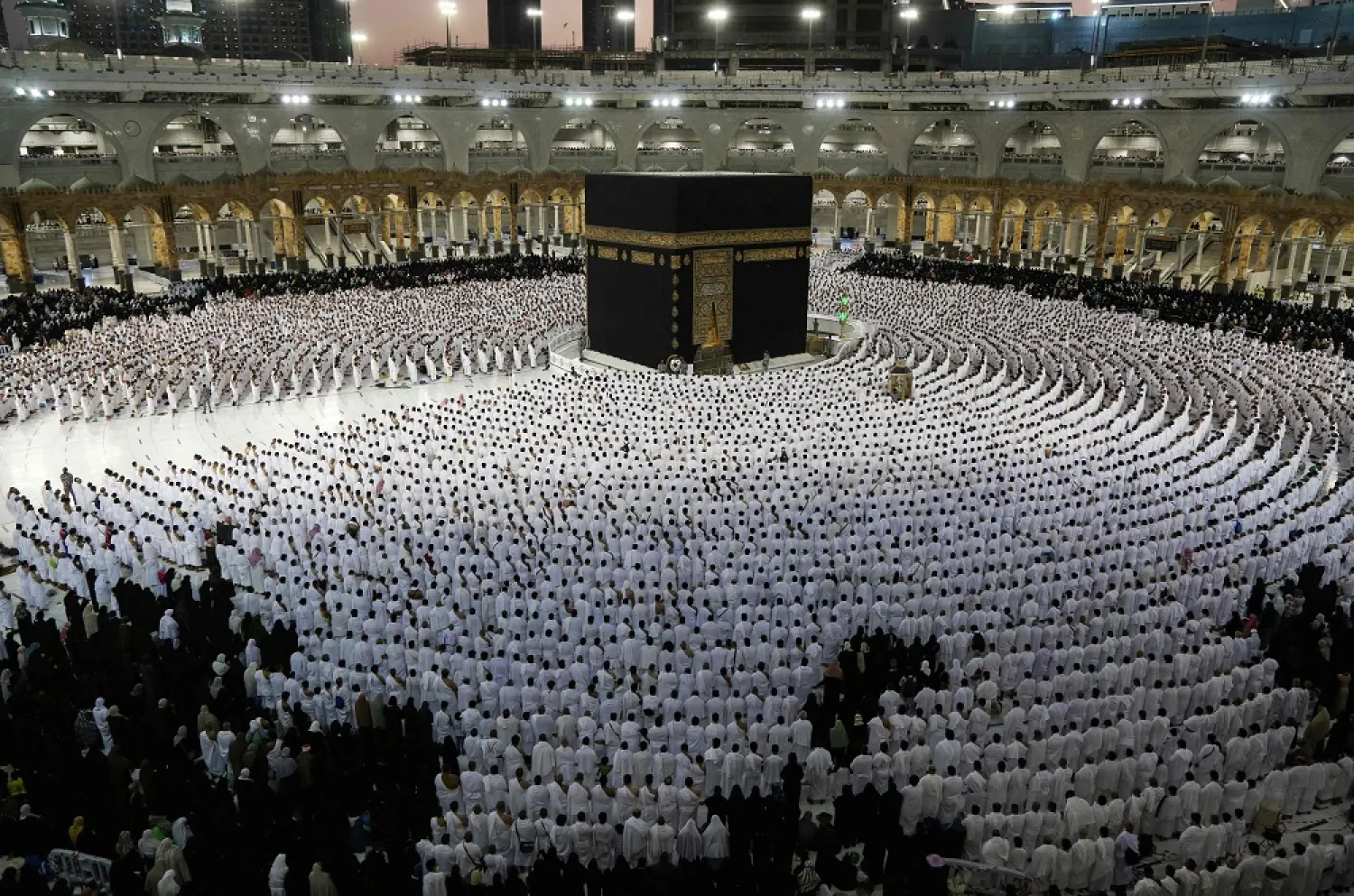
Saudi Arabia has unveiled an ambitious development project beside Mecca’s Grand Mosque, adding 900,000 additional spaces for worshippers while offering residential and hospitality amenities for millions of pilgrims visiting the holy city each year.
Named King Salman’s Gate, the massive undertaking features a collection of high-rise buildings adjacent to Islam’s most sacred site. According to the Saudi Press Agency (SPA), the project will serve as an “integrated mixed-use destination” that merges Mecca’s “rich architectural heritage with world-class modern living.”
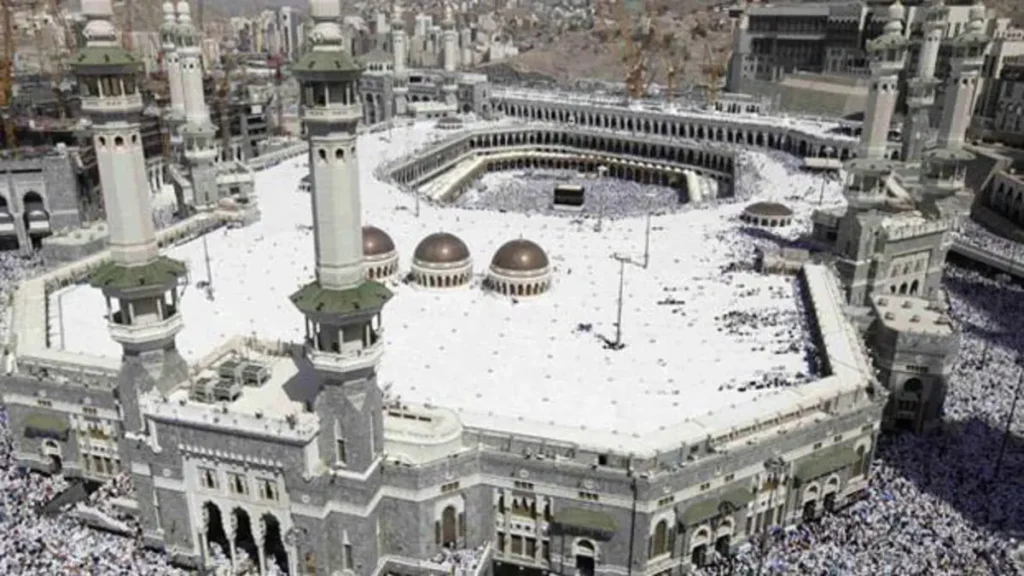
Covering an area of 12 million square metres (approximately 3,000 acres), the development will include both indoor and outdoor praying spaces, designed to accommodate the growing number of visitors and enhance the spiritual experience of pilgrims.
The new initiative joins a series of large-scale projects aimed at transforming Saudi Arabia’s economy—the world’s largest oil exporter—into a diversified and sustainable one. Among these is the Masar project, which promises to add over 40,000 hotel rooms to Mecca’s hospitality infrastructure, further improving accommodation options for worshippers.
Although the holy city receives visitors year-round, the number of arrivals peaks during the annual hajj pilgrimage, which attracted 1.6 million pilgrims in June. Official figures show that pilgrimage revenues reached around $12 billion in 2019, underscoring its vital role in the kingdom’s non-oil economy.
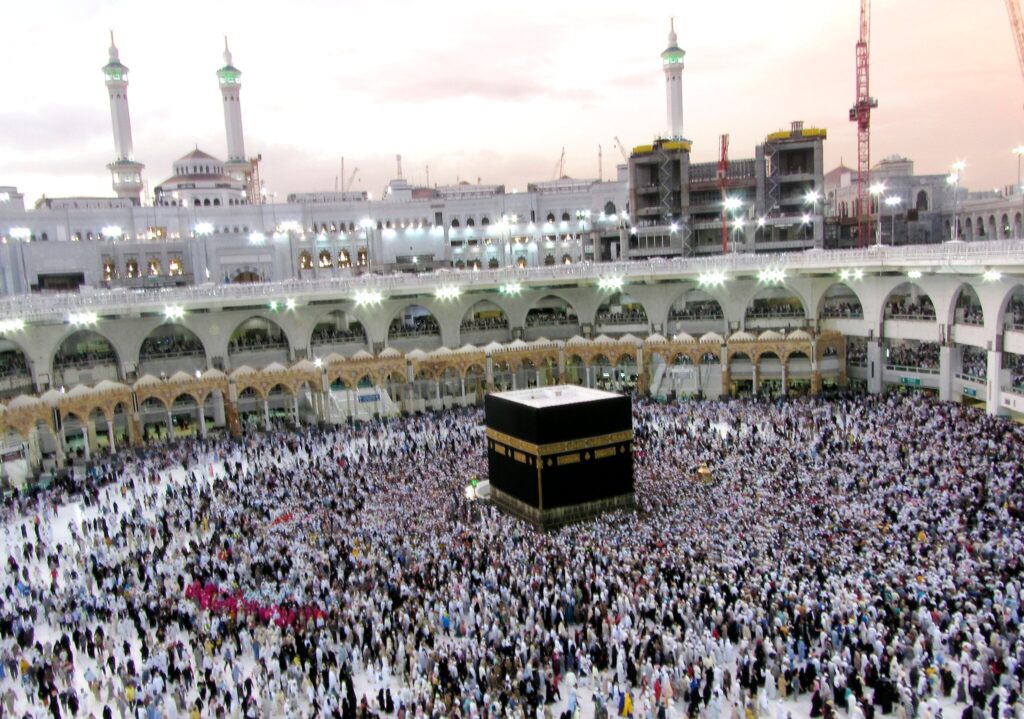
Expanding the capacity of pilgrimage sites remains central to Crown Prince Mohammed bin Salman’s Vision 2030, a national reform plan that seeks to diversify income sources and reduce dependence on oil revenues.
The announcement of King Salman’s Gate comes just months after the completion of a significant expansion of the Grand Mosque, which increased its capacity to two million worshippers and extended its surrounding courtyards.
What You Should Know
King Salman’s Gate represents a key milestone in Saudi Arabia’s Vision 2030 agenda.
Beyond its spiritual significance, the project is expected to boost the kingdom’s tourism and hospitality sectors, solidifying Mecca’s position as a global religious and economic hub.