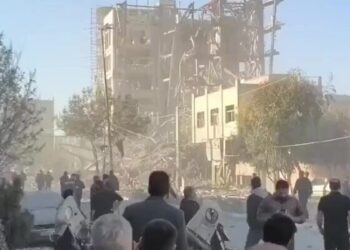
Residents of a Rio de Janeiro neighborhood laid out the bodies of their loved ones on the streets Wednesday, after Brazil’s deadliest police raid claimed at least 119 lives.
The tragedy has reignited debate over the state’s violent campaign against drug gangs rooted in impoverished communities.
President Luiz Inacio Lula da Silva expressed deep shock at the devastating death toll from the raid, which came just days before Brazil is set to host the COP30 climate summit in Belem. Human rights advocates and the United Nations voiced alarm over the excessive use of force by security agents, while Rio’s state government hailed the operation as a victory against the powerful Comando Vermelho (Red Command) gang.
The heavily armed group, known for using drones to drop explosives on police, has expanded its control across large parts of Rio, particularly in sprawling favelas where millions reside. A day after the operation, residents of the Complexo da Penha favela discovered dozens of bodies in a nearby forest. Among the dead, one man was found decapitated and another brutally disfigured. Many locals accused the authorities of carrying out deliberate killings rather than a lawful operation.
“The state came to massacre, it wasn’t a (police) operation. They came directly to kill, to take lives,” said one woman who declined to identify herself.
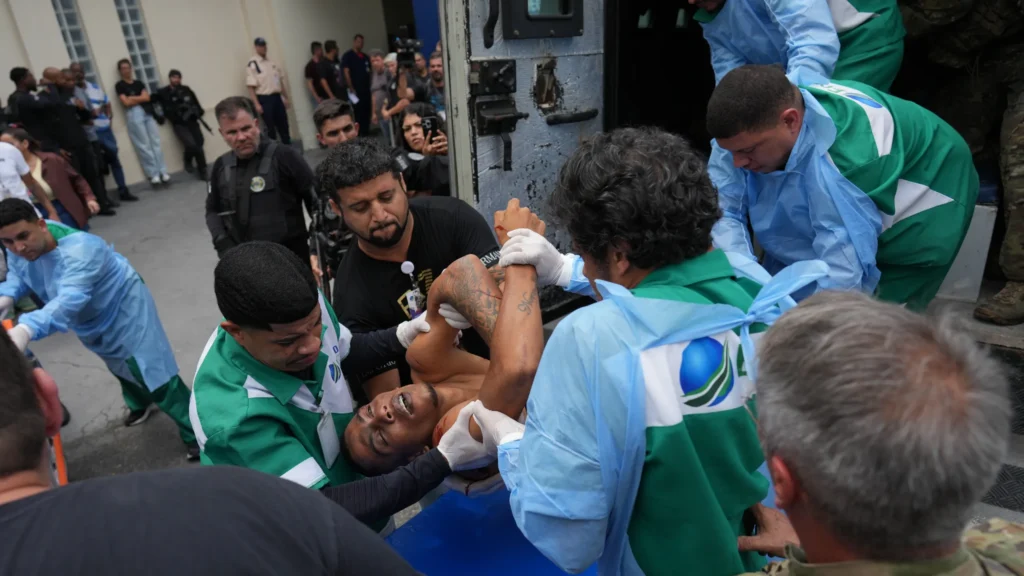
Authorities confirmed a provisional death toll of 119—including 115 suspected criminals and four police officers—though the Public Defender’s Office in Rio reported at least 132 fatalities.
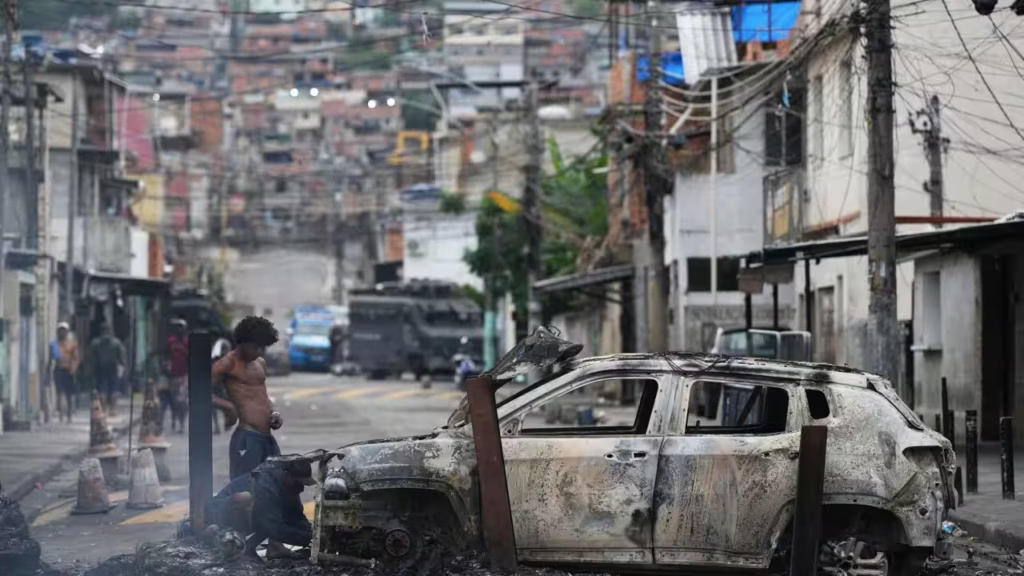
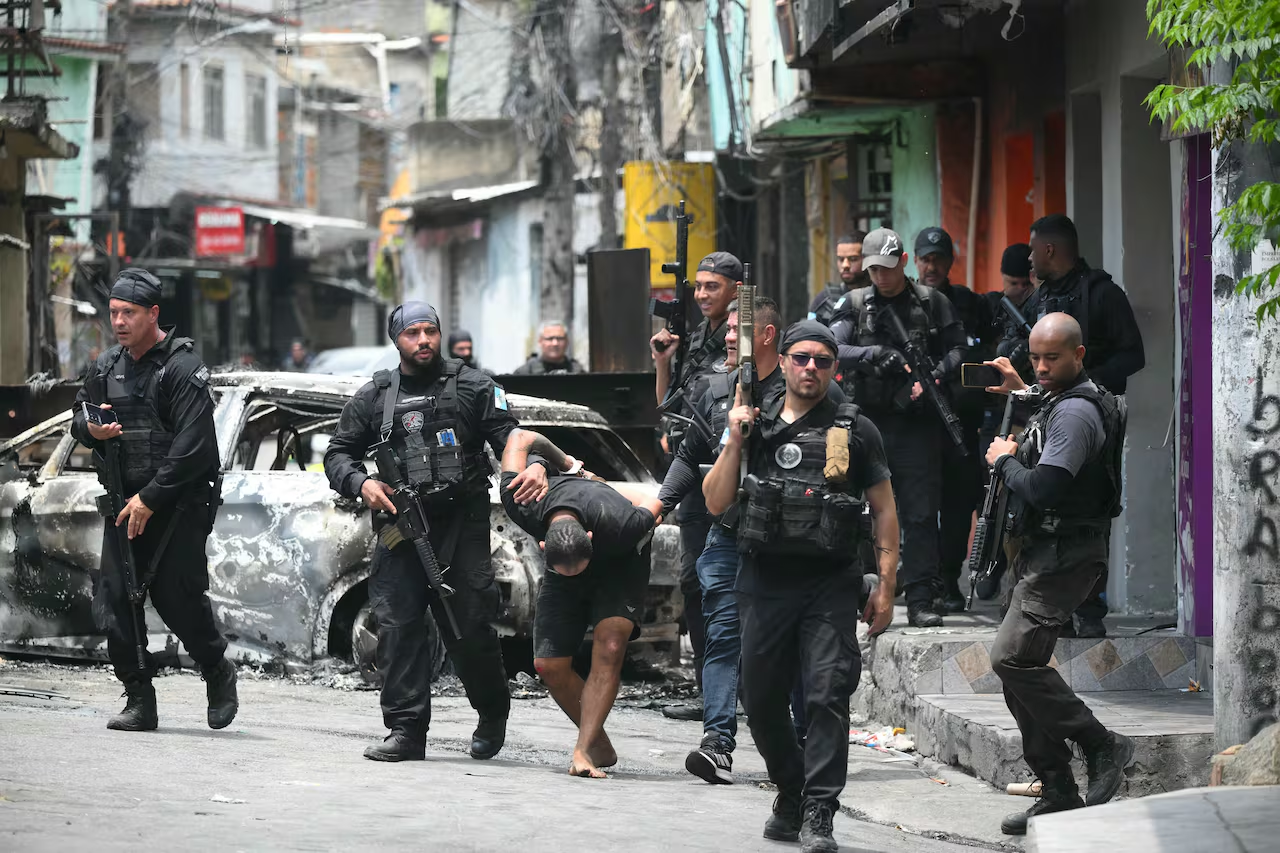
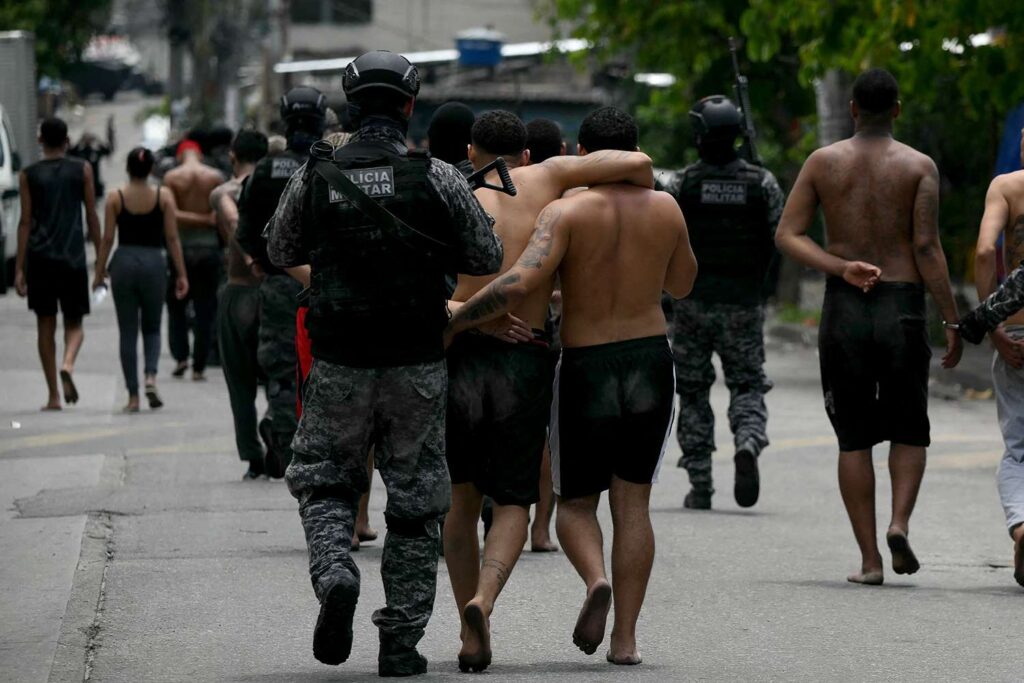
The raid unfolded like a scene from a war zone, with police backed by armored vehicles, helicopters, and drones. Intense gunfire between officers and alleged gang members sent terrified residents fleeing for safety. During the clashes, members of Comando Vermelho hijacked buses to barricade major roads and launched drone attacks on police forces, according to officials.
Governor Claudio Castro described the mission against what he called “narcoterrorism” as a “success,” claiming that only the slain officers were victims. Military police secretary Marcelo de Menezes stated that elite units had intentionally driven “criminals” into the forest surrounding the favela to “protect the population.” Civil police secretary Felipe Curi added that the bodies left in the streets were stripped of their “camouflage clothing, vests, and weapons” by locals after the clashes.
However, anger among residents grew as accusations of executions surfaced. “There are people who have been executed, many of them shot in the back of the head, shot in the back. This cannot be considered public safety,” said Raull Santiago, a 36-year-old activist. Lawyer Albino Pereira Neto, who represents three affected families, told AFP that several bodies showed “burn marks” and that some victims had been tied up. He insisted that some were “murdered in cold blood.”
Justice Minister Ricardo Lewandowski said President Lula was “horrified by the number of fatal incidents and was surprised that an operation of this scale was set up without the knowledge of the federal government.”
UN Secretary-General Antonio Guterres expressed deep concern over the loss of life, while the Office of the United Nations High Commissioner for Human Rights said it was “horrified” and urged “swift investigations.”
What you should know
The deadly police raid in Rio’s Complexo da Penha favela has reignited national and global scrutiny over Brazil’s approach to fighting organized crime.
With at least 119 confirmed deaths, including civilians, suspects, and officers, the operation marks one of the bloodiest in the country’s history. President Lula da Silva and the United Nations have condemned the violence, calling for transparency and accountability.
The Comando Vermelho gang, blamed for much of Rio’s drug-related violence, remains a dominant force, while residents of the favelas continue to bear the brunt of the state’s heavy-handed tactics.