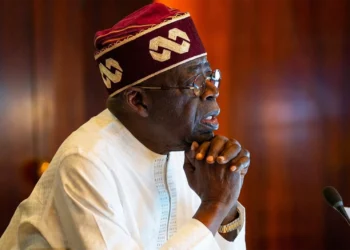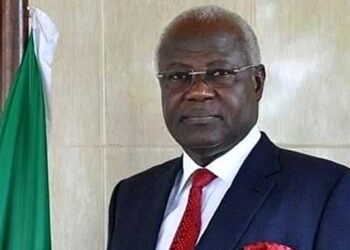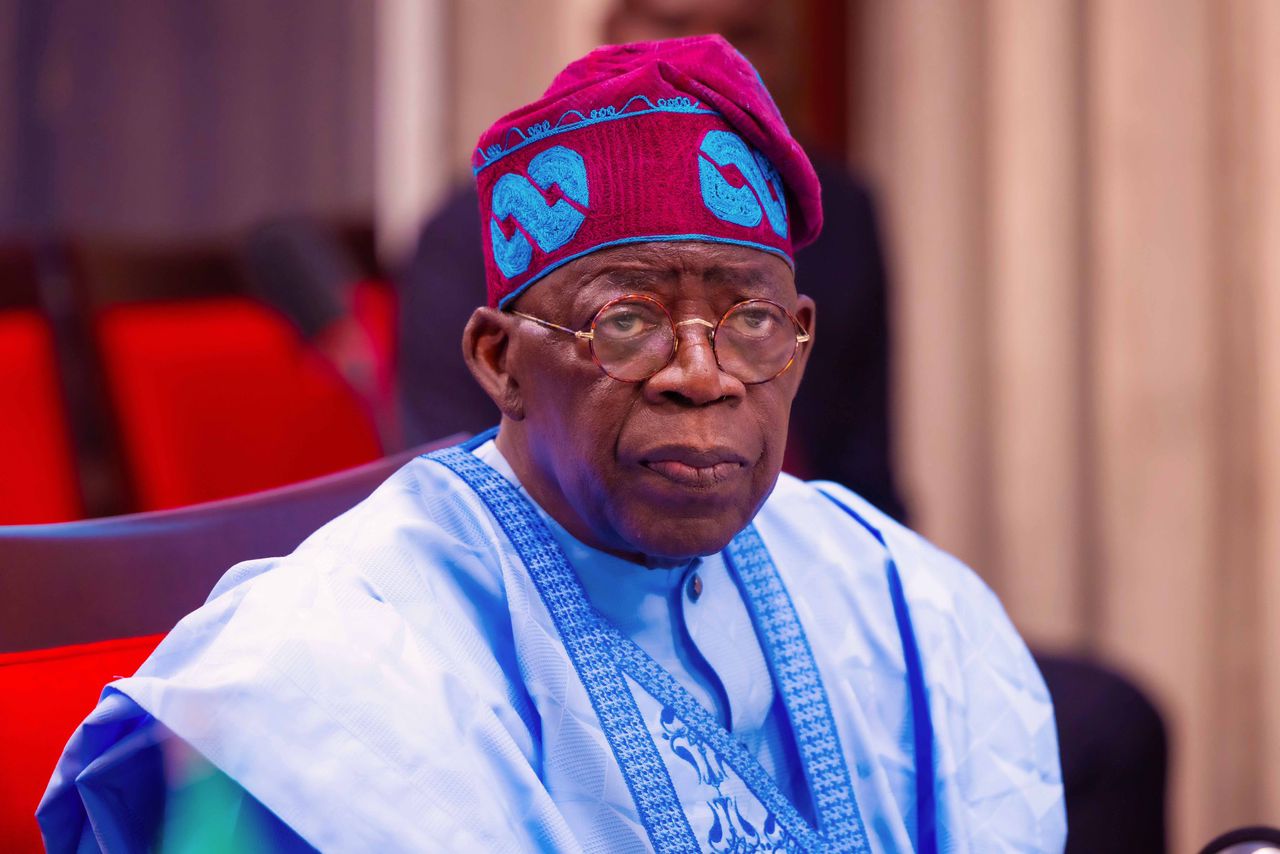
The Nigerian presidency has rejected public criticism over its handling of two high-profile kidnapping cases, dismissing comparisons between the abduction of former Minister Adebayo Adelabu’s sister and twin sons and the ongoing Ogbomoso schoolchildren and teachers’ kidnapping as both unfair and misguided.
The defense came through Temitope Ajayi, Senior Special Assistant to President Bola Tinubu on Media and Publicity, who took to his verified X (formerly Twitter) handle on Sunday to address the swelling tide of public discontent that has only intensified following Saturday’s dramatic rescue of the former minister’s sister and her children from a kidnapper’s den by the Nigeria Police Force.
At the heart of the public outrage lies a simple but potent question: why were the relatives of a powerful former government official rescued within what appeared to be a relatively short timeframe, while dozens of Ogbomoso schoolchildren and their teachers continue to languish in captivity deep in the bush?
It is a question that has reverberated across social media, market squares, and living rooms nationwide, cutting to the raw nerve of a population increasingly weary of what critics describe as a two-tiered security system: one for the connected and privileged, another for ordinary Nigerians.
Ajayi, however, was unequivocal in his rebuttal. “It’s totally wrong to compare these two abduction incidents,” he wrote. “The two sets of criminals have different motivations and agendas.”
The perpetrators behind the abduction of Adelabu’s sister, he argued, were an urban gang of kidnappers engaging in what he described as “copycat crime,” opportunistic criminals motivated primarily by financial gain who concealed their victims inside a residential flat within a populated community. That, he contended, made detection, intelligence gathering, and swift rescue operations significantly more feasible.
The Ogbomoso case, by contrast, involves what Ajayi characterized as a far more dangerous and complex threat, a band of terrorists operating deep inside remote bush terrain, far removed from the reach of conventional law enforcement methods. The logistics of such a rescue, the presidency implied, demand an entirely different tactical and strategic calculus.
Hostage rescue operations in dense urban environments, where informants are more readily available and suspects more easily traced, differ vastly from counter-terrorism operations in forested or rural terrains, where the risk to hostages during any extraction attempt is exponentially higher.
Saturday night brought relief to the Adelabu family when operatives of the Nigeria Police Force successfully tracked down and dismantled the kidnapper’s hideout, reported to be a flat within a community, and freed the former minister’s sister along with her twin sons.
The rescue was greeted with celebration within the family’s circle and, for many, offered a rare moment of good news in an otherwise grim security landscape.
Yet for the families of the Ogbomoso schoolchildren and teachers still held captive, Saturday brought no such comfort. Their loved ones remain in the grip of abductors somewhere in the bush, their fate uncertain, their ordeal stretching by the day.
Government and security agencies are not as selective as falsely claimed,” he stated, before adding, “We should be happy that the woman and her twins are safely home while we pray for quicker rescue of those still in the bush with their abductors.”
For many Nigerians, however, the presidency’s explanation, however operationally logical, does little to address the deeper, more uncomfortable question lurking beneath the surface: whether the speed and intensity of a government response is, in practice, influenced by the social and political status of the victims involved.
The Ogbomoso families are not asking for comparisons. They are asking for results.
As the presidency urges the public to celebrate one rescue and pray for another, the clock continues to tick for those still in the bush, and with it, the patience of a nation demanding more than explanations.
WHAT YOU SHOULD KNOW
The Nigerian presidency is asking the public to trust that justice is not selective, but its actions tell a harder story.
While the swift rescue of a former minister’s relative is welcome news, the Ogbomoso schoolchildren and teachers remain in captivity, and grieving families deserve more than carefully worded explanations distinguishing one kidnapping from another.
Operational differences between urban and rural abductions are real and valid, but they cannot, and should not, be used to silence legitimate public concern about whether wealth and political connections fast-track government action in Nigeria’s security apparatus.
Until the Ogbomoso victims are brought home safely, no press statement will be enough.