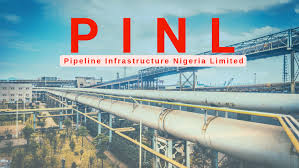
Pipeline Infrastructure Nigeria Limited (PINL), the firm responsible for securing the Eastern Corridor of the Trans Niger Pipeline, has announced a comprehensive security and community engagement strategy aimed at supporting Nigeria’s ambitious goal of producing 2.5 million barrels of crude oil per day in 2026.
The commitment was made during PINL’s January stakeholder meeting with representatives from Trans Niger Pipeline host communities across Bayelsa State, signaling a renewed focus on collaborative security efforts in one of Nigeria’s most critical oil-producing regions.
Dr. Akpos Mezeh, General Manager for Community and Stakeholder Relations at PINL, outlined the company’s strategic priorities for the year, emphasizing the need for robust partnerships with the federal security apparatus. The plan involves strengthening collaboration with the Office of the National Security Adviser, the Nigeria National Petroleum Corporation Limited, and various security agencies.
“As we move into 2026, PINL’s focus will be on aligning with the efforts of the federal government towards meeting the 2.5 million bpd production target,” Dr. Mezeh stated, adding that the company aims to sustain zero infractions along the Trans Niger Pipeline corridor.
The strategy extends beyond traditional security measures. PINL has pledged to serve as a mediator in conflicts across oil-producing communities, including the troubled Ogoniland region, where production has been stalled for years due to environmental and community disputes.
Central to PINL’s approach is an expanded community engagement program. The company announced plans to broaden empowerment initiatives targeting women and youth in host communities, recognizing that economic opportunity often serves as the most effective deterrent to pipeline vandalism.
In the first quarter of 2026, PINL will conduct capacity-building training for community-based contractors, focusing on incident reporting, patrol procedures, and intelligence gathering—turning residents into the eyes and ears of pipeline protection efforts.
Dr. Mezeh framed the challenge in stark terms: “What we protect together today determines what Nigeria earns tomorrow. Let us continue to choose dialogue over disruption, cooperation over conflict, and shared prosperity over short-term gain.”
However, community leaders attending the meeting made clear that security alone cannot solve the Niger Delta’s persistent challenges. Dr. Bubaraye Dakolo, Chairman of the Bayelsa State Council of Traditional Rulers, delivered a pointed message to federal authorities: address the fundamental inequities facing oil-producing communities.
Dr. Dakolo highlighted the paradox facing residents who live atop Nigeria’s oil wealth yet pay inflated prices for petroleum products, creating a lucrative market for adulterated fuels and stolen crude.
“How painful it is that you have oil wells and manifolds in your community and you still buy higher than those who don’t have them,” Dr. Dakolo said. “Why won’t the federal government know that that’s the cause of the problem of vandalism in the Niger Delta?”
His prescription was straightforward: provide affordable petroleum products to host communities and invest in youth education and employment. “When there is no demand for it, supply will end,” he argued, referring to the black market for stolen oil.
Robert Igali, Director General of the Bayelsa State Centre for Youth Development, reinforced this message, warning that sustained peace depends on addressing youth unemployment and underdevelopment.
“The major actors are these youths who have decided to embrace peace and work with PINL,” Igali noted. “It is therefore very important that this year, if there will continue to be zero infractions, they should not be ignored.”
The Ibenanowei of Bomo Kingdom, Dr. Joshua Igbugburu, praised PINL’s community engagement approach and called on youth to maintain their commitment to protecting oil infrastructure, noting that continued peace is essential to attracting development to the region.
The 2.5 million barrels per day target represents a significant increase from current production levels and is crucial to Nigeria’s economic recovery efforts. Oil revenues remain the backbone of federal finances, and persistent pipeline vandalism has cost the nation billions in lost revenue over the past decade.
PINL’s integrated approach—combining security collaboration, community mediation, economic empowerment, and transparent engagement—represents a recognition that protecting oil infrastructure in the Niger Delta requires addressing both immediate security threats and longstanding grievances.
Whether this strategy can deliver results in a region marked by decades of environmental degradation, economic marginalization, and sporadic violence remains to be seen. But as Dr. Mezeh suggested, the communities themselves will author the next chapter of the Trans Niger Pipeline’s story.
WHAT YOU SHOULD KNOW
Pipeline Infrastructure Nigeria Limited is banking on community collaboration and federal security partnerships to help Nigeria reach its 2.5 million barrels per day crude oil production target in 2026.
However, traditional rulers and community leaders warn that lasting peace in the Niger Delta requires more than surveillance—it demands that the federal government address the core grievance: oil-producing communities paradoxically pay inflated fuel prices despite sitting on Nigeria’s oil wealth.
Without affordable petroleum products, youth empowerment, and genuine development in host communities, pipeline vandalism will persist regardless of security measures. The message is clear: economic justice, not just security enforcement, is the path to protecting Nigeria’s oil infrastructure and revenue.